Saint-Étienne de Bourges|Cathédrale Saint-Étienne de Bourges
©

Saint-Étienne de Bourges|Cathédrale Saint-Étienne de Bourges

The Berry through the centuries

Berry is a low-key region, yet one deeply shaped by the passage of time. Situated in the heart of France, this region largely corresponds to the present-day department of Cher and part of the Indre. To understand the history of Berry is to trace centuries of political, religious and cultural transformations that have shaped its identity. From the Gallic peoples to the great figures of the Middle Ages, from the changes of the modern era to contemporary upheavals, Berry tells a rich story, intimately linked to that of the Kingdom of France.

Published on 23 February 2026

The origins of the history of Berry: from Antiquity to the Gallo-Roman period

The history of Berry dates back to well before the founding of Bourges. In ancient times, the region was inhabited by the Gallic tribe of the Bituriges Cubi, whose capital, Avaricum, corresponds to the present-day city of Bourges. This city is described by Julius Caesar as one of the richest and best-fortified in Gaul. Despite fierce resistance during the Gallic Wars, Avaricum was captured by the Roman legions in 52 BC. Indeed, some of its remains can still be seen today, such as the Bourges rampart, built during the Late Antiquity period around the middle of the 4th century AD.

Under Roman rule, the region enjoyed a period of prosperity. Infrastructure developed, Roman roads criss-crossed the landscape and agriculture was modernised. The Berry region thus became part of a vast Gallo-Roman entity, where local traditions and Mediterranean influences became permanently intertwined.
Discover Bourges and its surroundings

Berry in the Middle Ages: a land of power and faith

From the early Middle Ages onwards, Berry became a strategic region. As part of the Frankish kingdom, it developed around major religious and feudal centres. Bourges emerged as a major political and ecclesiastical centre, the seat of an influential archbishopric.

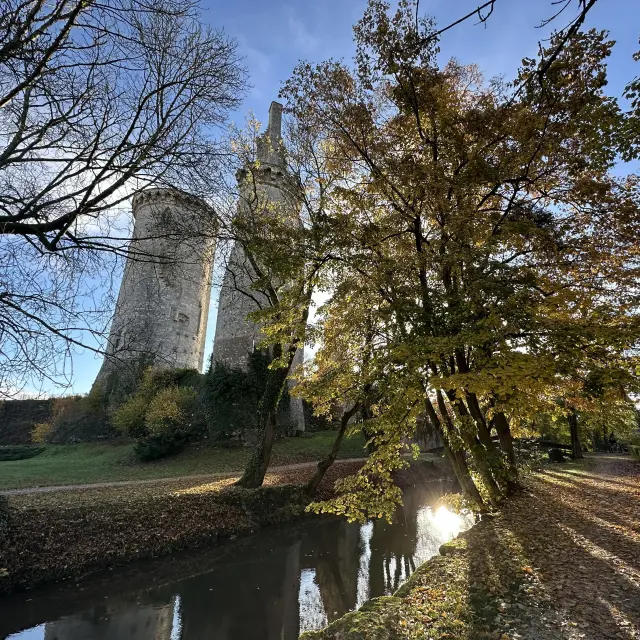
The history of medieval Berry is inextricably linked to the rise of Christianity. Abbeys, priories and churches sprang up across the countryside.Noirlac Abbey, founded in the 12th century, bears witness to the importance of the Cistercian Order in the region. At the same time, castles and fortresses dotted the landscape, reflecting a period marked by feudal rivalries and conflicts.

The Berry region was also affected by the Hundred Years’ War. Its central location made it a transit route and, at times, a place of refuge. This turbulent period left a lasting mark on the landscape and in the collective memory, helping to shape the history of the Berry region around the themes of resistance and resilience.

From the Duchy of Berry to the modern era

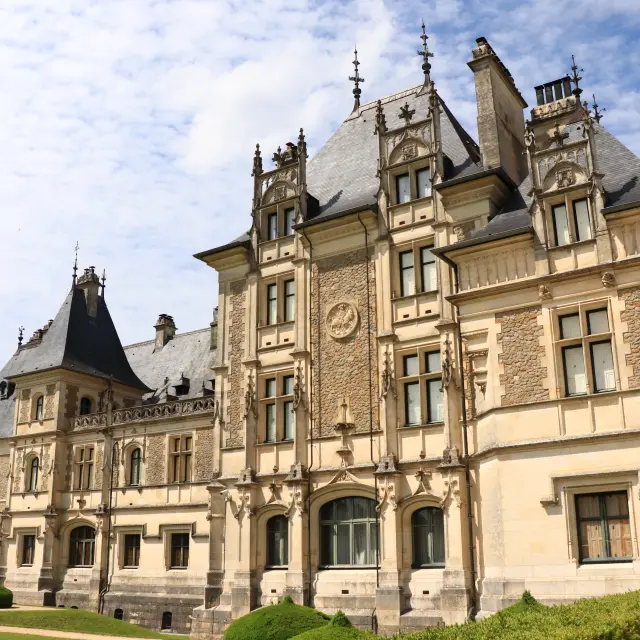
Towards the end of the Middle Ages, Berry became a prestigious duchy, particularly under the rule of Jean de France, Duke of Berry, a great patron of the arts and brother of King Charles V. His influence left a profound mark on the history of Berry, both artistically and politically. He encouraged the construction and embellishment of princely residences, whilst supporting the arts and illuminated manuscripts.

In the modern era, Berry remained a rural province, focused on agriculture and craftsmanship. Feudal structures gradually disappeared, whilst towns developed slowly. The history of Berry thus reflected that of a changing France, caught between monarchical centralisation and the deep-rooted nature of local traditions.

Make the most of the South Berry region

The French Revolution and upheavals across the country

The French Revolution marked a major turning point in the history of the Berry region. As elsewhere, the old structures were dismantled. The province was abolished and replaced by departments, giving rise, in particular, to the Cher. Clerical property was nationalised, abbeys were sold or abandoned, and the administrative structures were radically overhauled.

This period marked the end of Berry as an institutional entity, but not of its identity. The history of this region continued to be shaped by its inhabitants, who remained attached to their landscapes, their dialect and their customs. The nineteenth century saw the development of the railways, moderate industrialisation and the gradual modernisation of the countryside.

Contemporary Berry: Memory and Identity

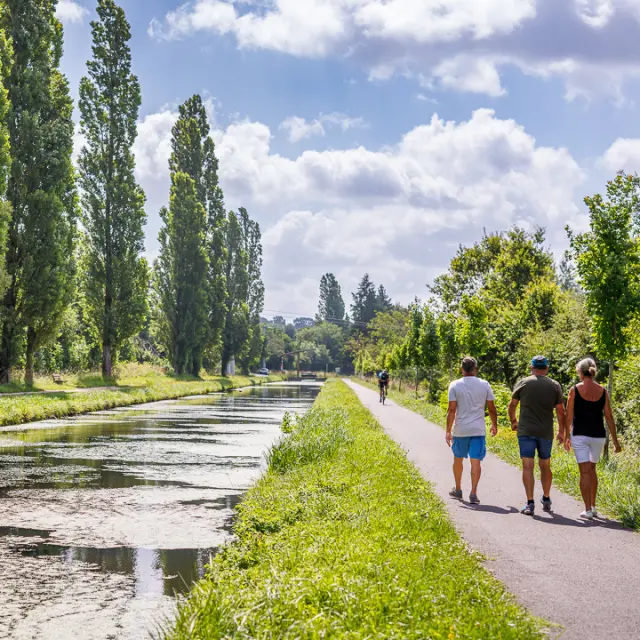
Throughout the 20th and 21st centuries, Berry has been part of a movement to promote its heritage. Long regarded as a remote rural area, Berry is now asserting its cultural identity. Its monuments, museums and tourist routes offer a better understanding of the various layers of its past.

Rural folklore, oral traditions and regional literature also play a part in passing on its history. George Sand, an iconic figure, played a major role in raising awareness of Berry’s landscapes and way of life, cementing the region’s place in the French collective imagination.

Discover Berry on the Sologne side

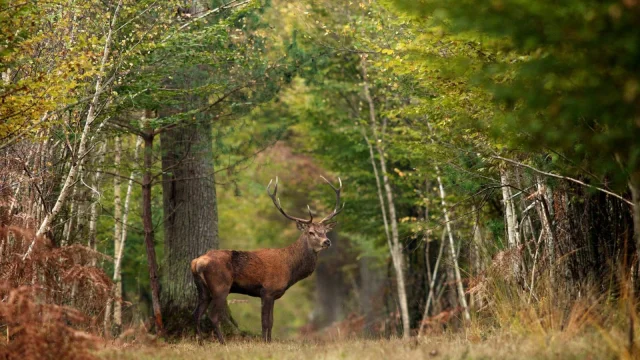
Today, Berry presents itself as a region where time seems to pass differently. Its history, understated yet profound, can be seen in the stone of its cathedrals, in the layout of its villages and in the enduring nature of its landscapes. To explore the history of Berry is, therefore, to journey through a distillation of French history, on a human scale, balancing heritage and continuity.