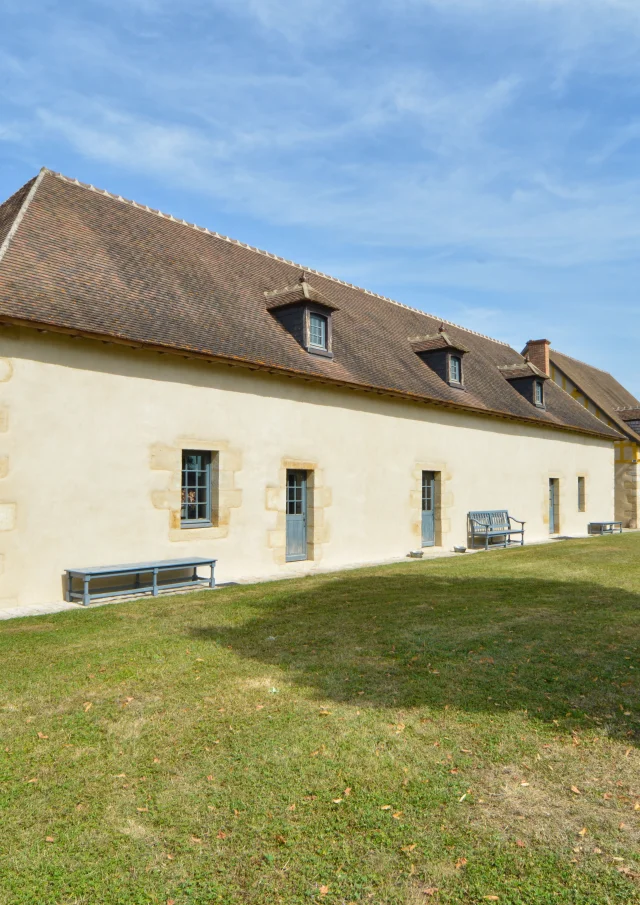
The ChâteauFer site has been occupied throughout history.
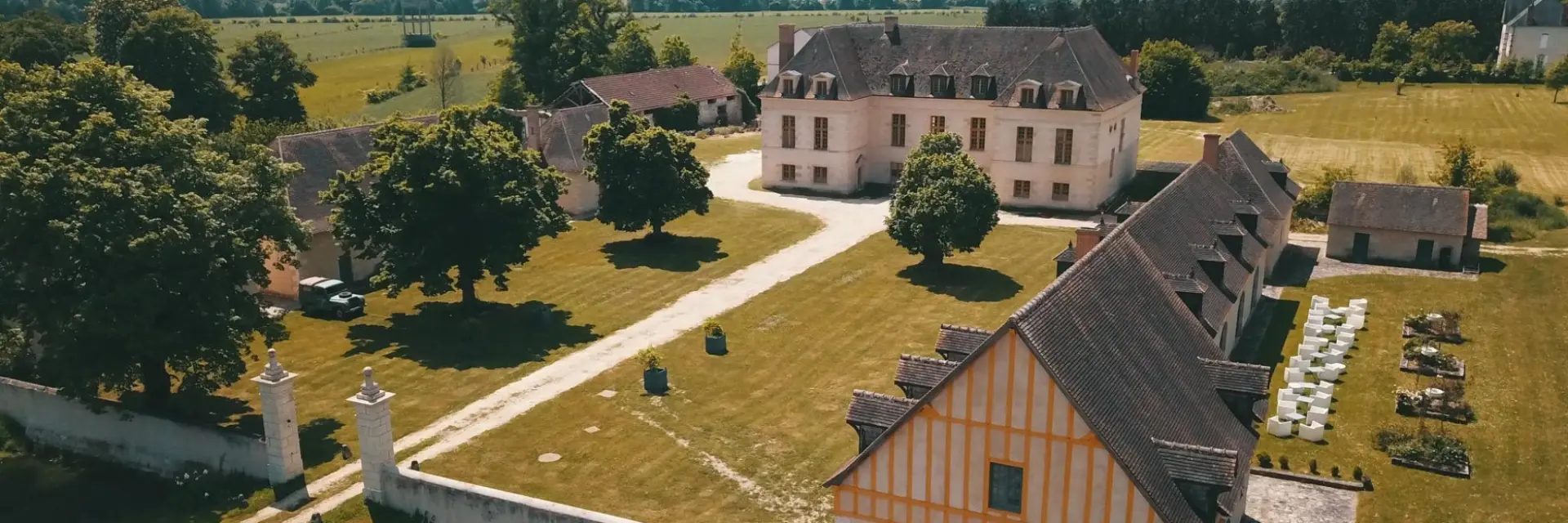
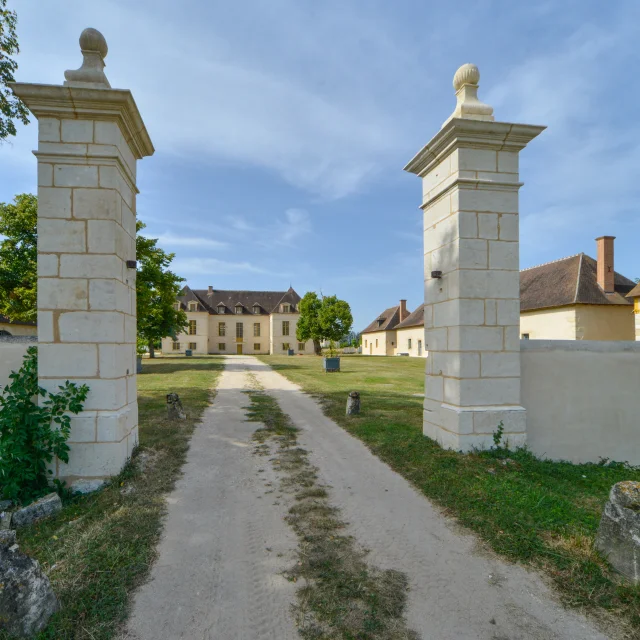
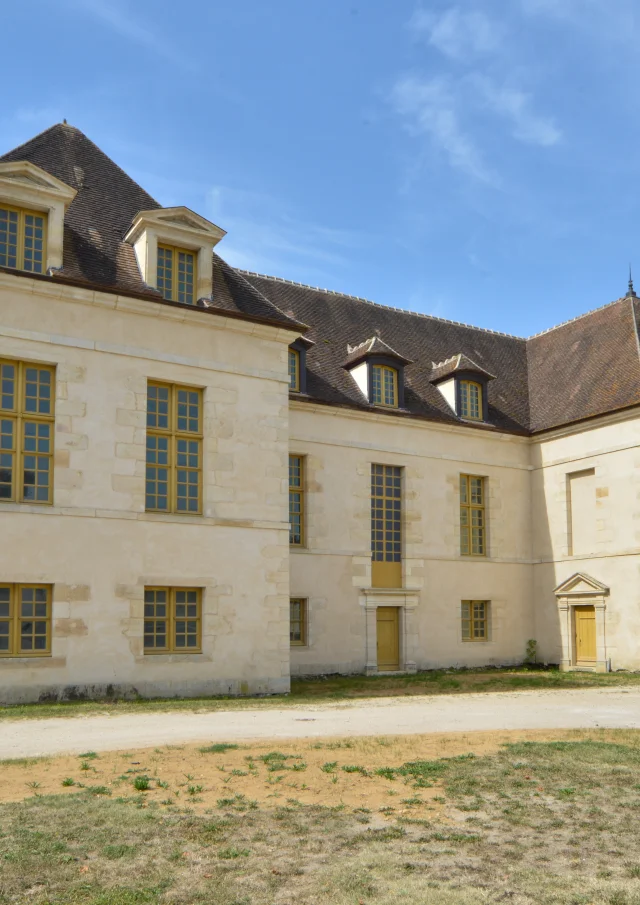
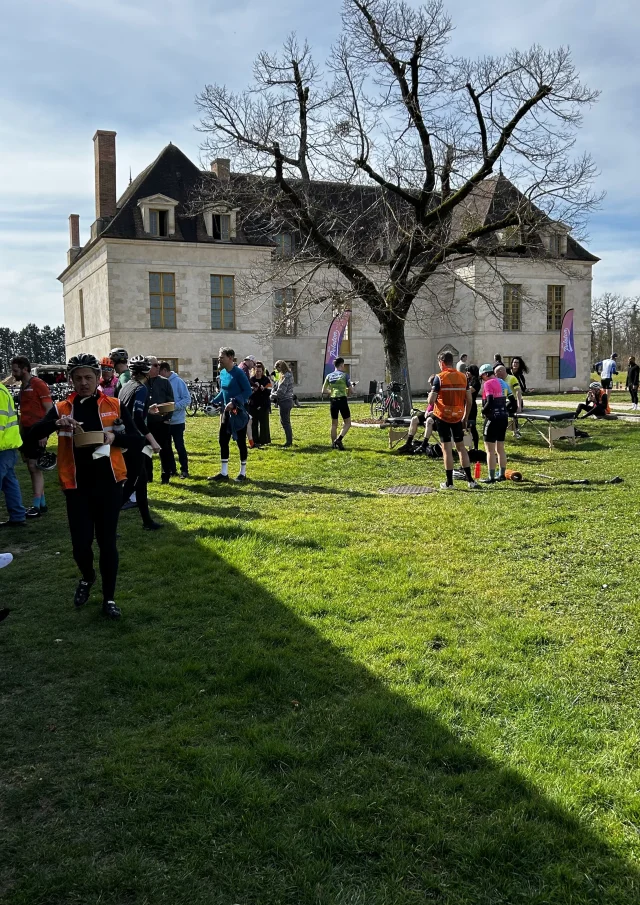
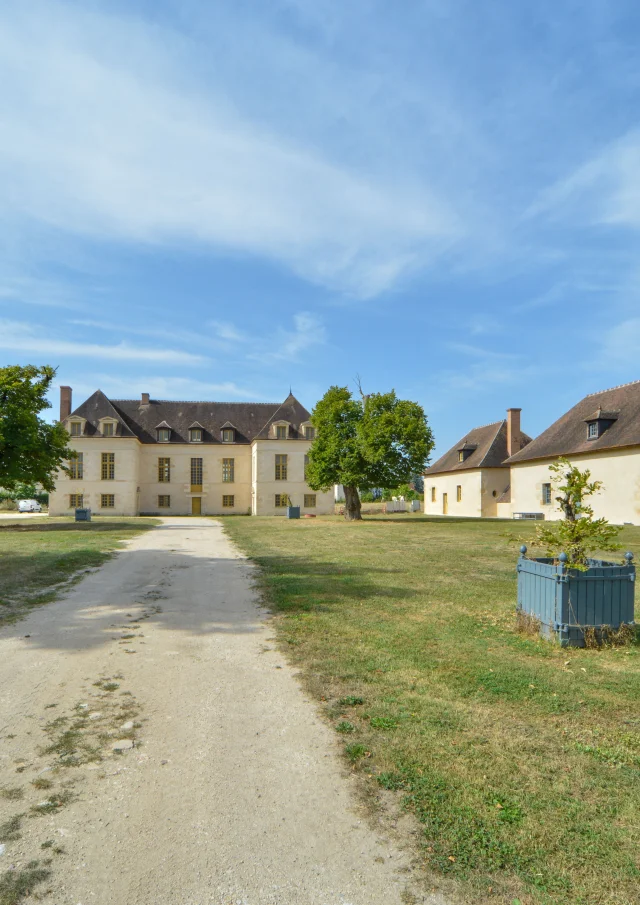
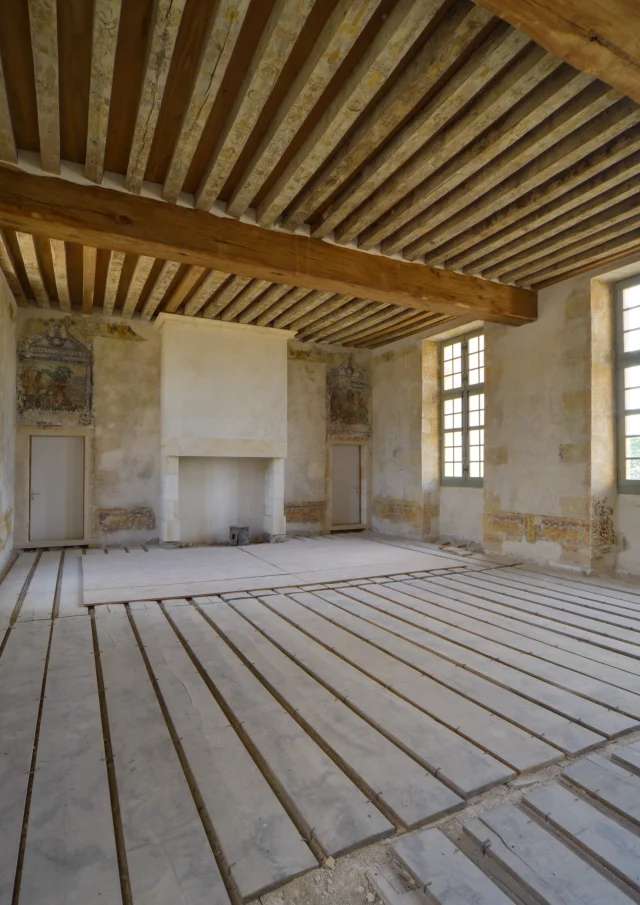
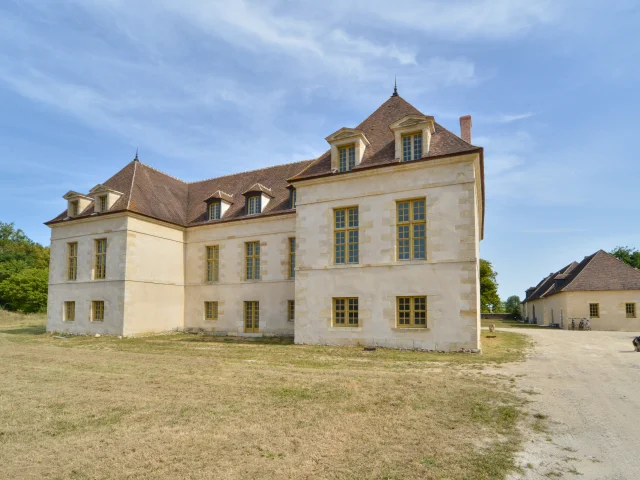
On the first traces left by the Bituriges Celts before the Christian era, the Romans who came with Caesar’s troops built a villa here. The land of Le Breuil sur Hyvernin was welcoming: a stream, a wood, fertile land with plenty of game… Then a succession of gentlemen and noblewomen owned the fief and the land of Le Breuil sur Hyvernin, Marie, Antoine, Nicolas…. Before Charles Le Fer received the estate as a dowry and commissioned the construction of the present château in 1660.
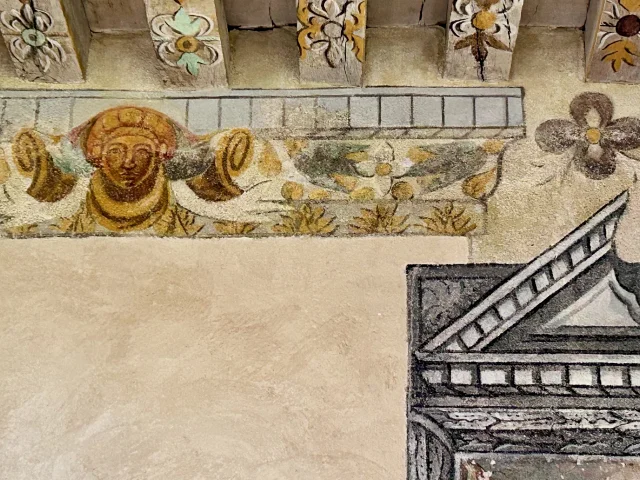
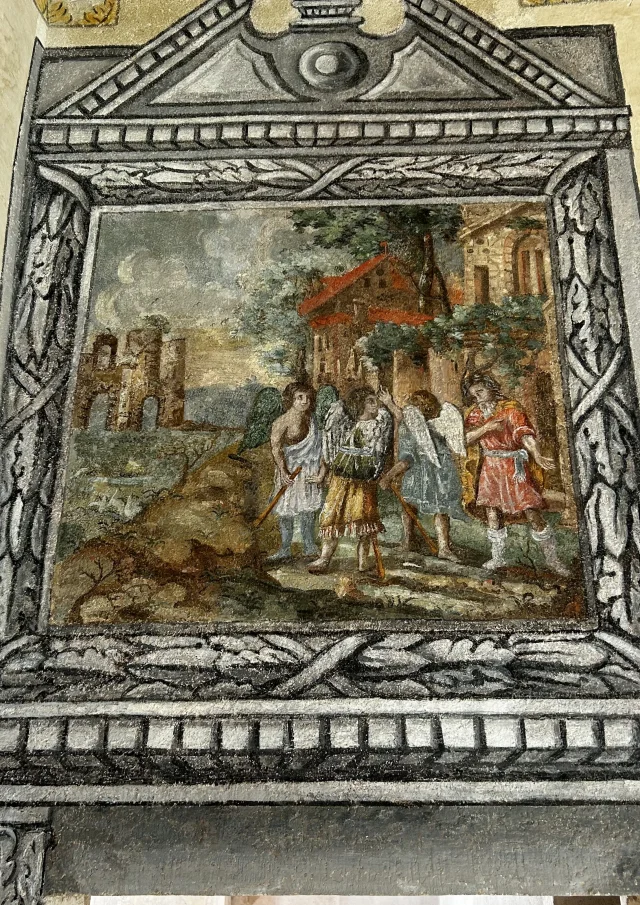
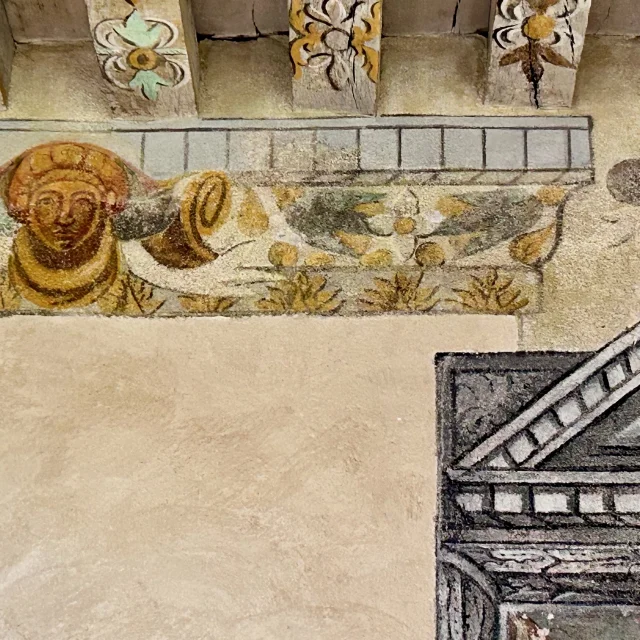
The title of Châteaufer was created by his daughter Marguerite when she married Antoine François Robin. Chateau life continued to flourish here until the French Revolution. From the 1770s onwards, Etienne Boucart occupied the premises. He had travelled through much of Europe as a building engineer. A globe trotter of the Enlightenment, he had come here to find peace and pleasure for himself and his family. He was found dead in his sleep on 1 March 1789. He left his house in the hands of the profiteers of troubled times, who methodically pillaged the premises. A valuable inventory drawn up on his death gives a precise picture of his lifestyle, between the court and the countryside.
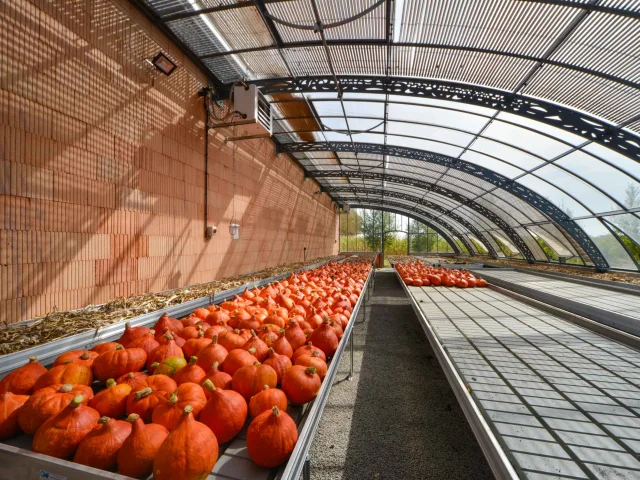
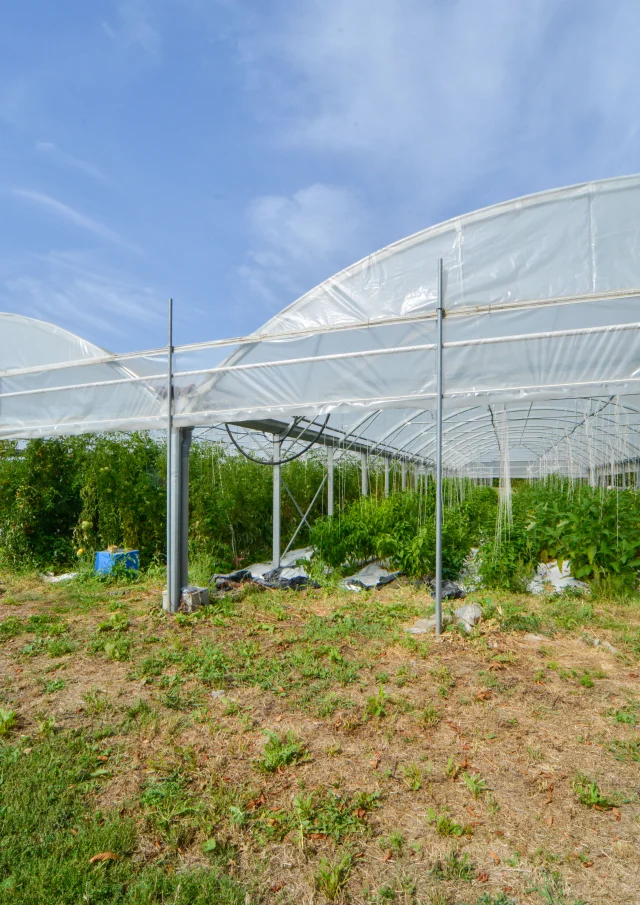
The 19th century at Châteaufer was an agricultural one, marked by the research and innovations of several distinguished farmers.
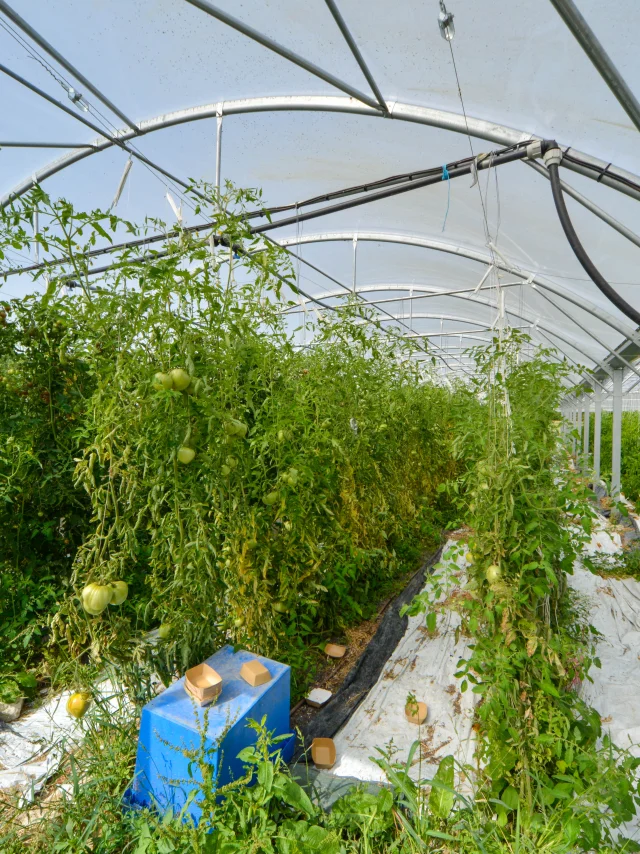
In the 20th century, the estate was used more or less freely as a barracks, depending on the conflict: a remounting centre for cavalry horses from the end of the Napoleonic Wars to 1914, a playground for the Sammies in 1919, a refuge for Spanish families fleeing Franco’s regime in 1938, a work camp for French youth under the Occupation, and a base for the armed resistance operations of the 1st Infantry Regiment with Groupement 32 “Jacques Coeur“. After the Liberation, Châteaufer finally made a comeback to agriculture with the Bardin family.
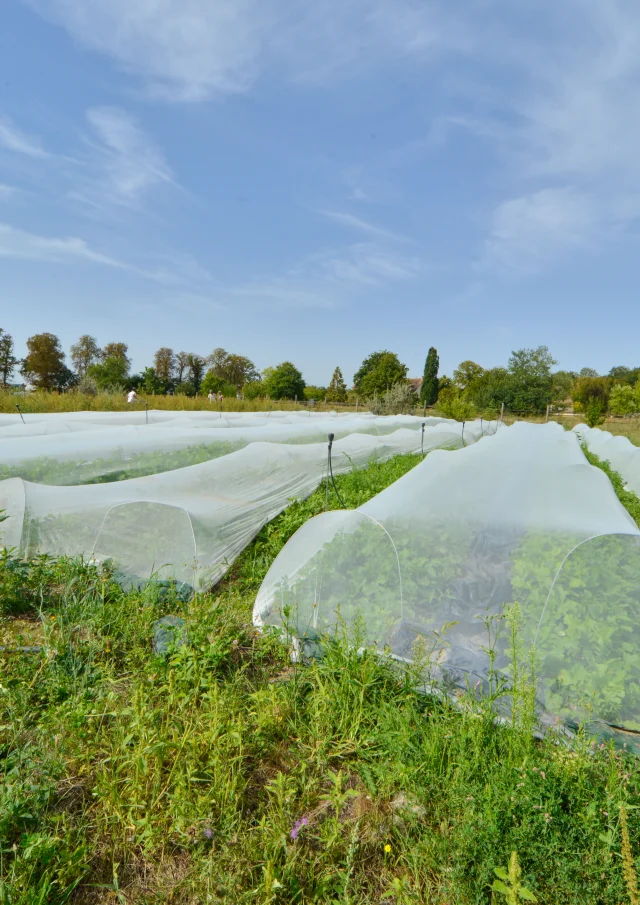
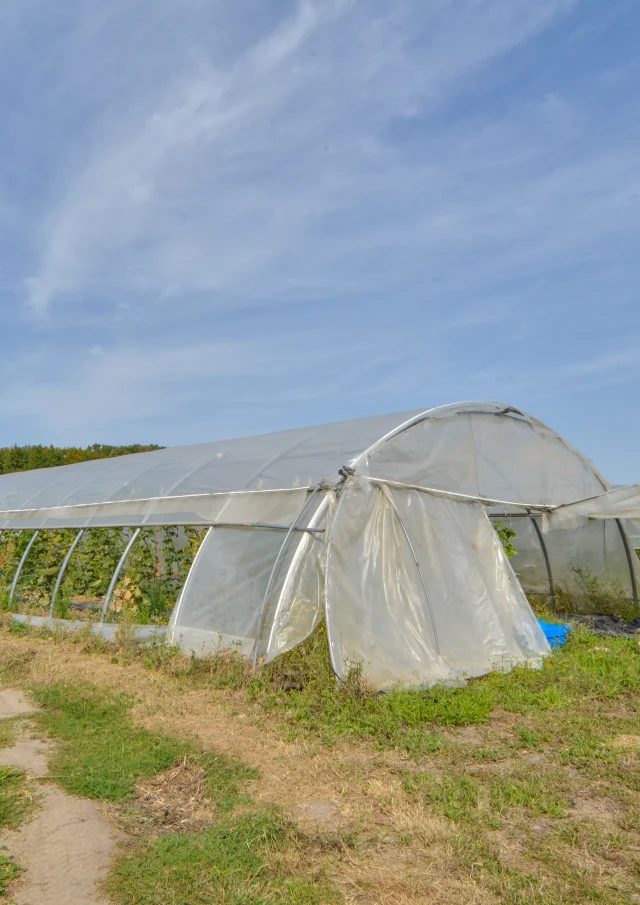
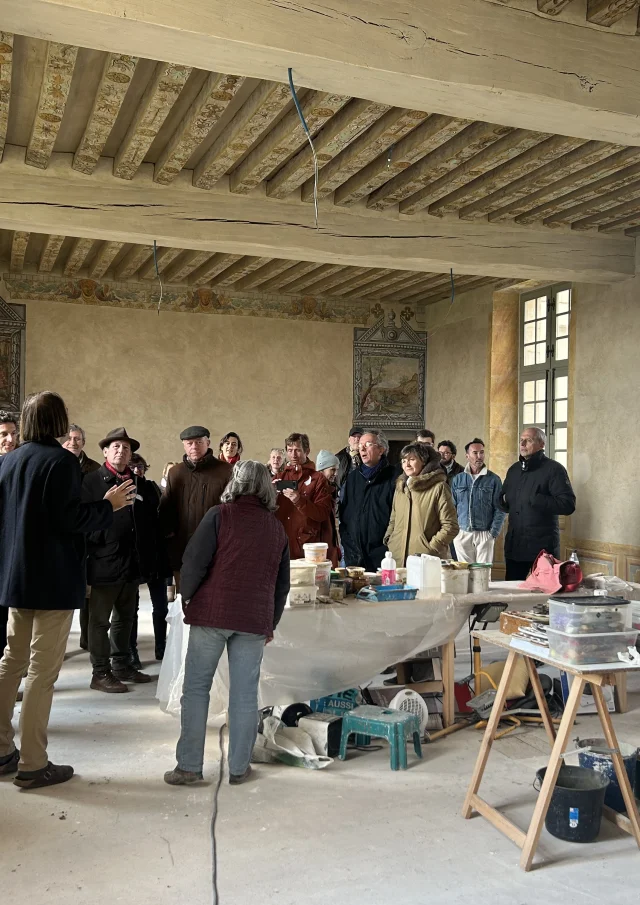
And so the 21st century begins now, with a legacy of all that has gone before and the energy to move piles of stones.