
For one year, save over €100 on admission tickets and events at over 30 sites (châteaux, parks, gardens, museums, exhibitions, historic towns, etc.).
Privilege Pass price at Château de la Chapelle d’Angillon: €7 instead of €10 for the visit

Château de La Chapelle D'Angillon|Route Jacques Cœur
For one year, save over €100 on admission tickets and events at over 30 sites (châteaux, parks, gardens, museums, exhibitions, historic towns, etc.).
Privilege Pass price at Château de la Chapelle d’Angillon: €7 instead of €10 for the visit
For groups, a guided tour and lecture by Count Jean d’OGNY, owner of the château: Alain Fournier Museum, Royal Albania in the 19th century, Château collections (Murillo, Della Robbia, furniture, tapestries, etc.).
Group rate: €10
Open all year round!
9am to 12pm and 2pm to 6pm (until 7pm in summer), closed to visitors on Sunday mornings.
Information by telephone on 02 48 73 41 10.

Château de La Chapelle D'Angillon, Fêtes Médiévales|Piranga

Château de La Chapelle D'Angillon|Route Jacques Cœur

Château de La Chapelle D'Angillon|Route Jacques Cœur

Château de La Chapelle D'Angillon|Route Jacques Cœur

Château de La Chapelle D'Angillon|Route Jacques Cœur

Château de La Chapelle D'Angillon|Route Jacques Cœur

Château de La Chapelle D'Angillon|Route Jacques Cœur
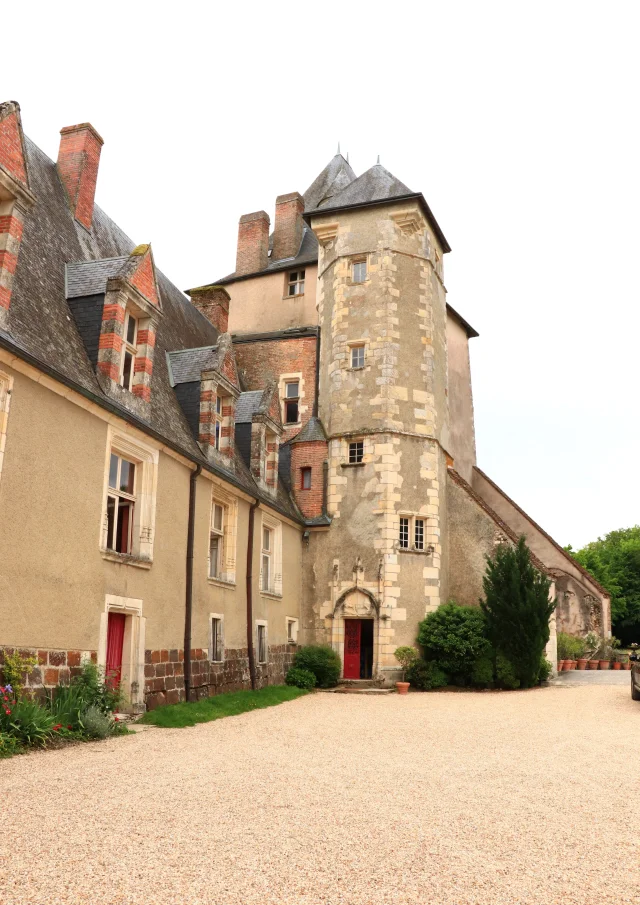
Château de La Chapelle d'Angillon|Catherine Bordier
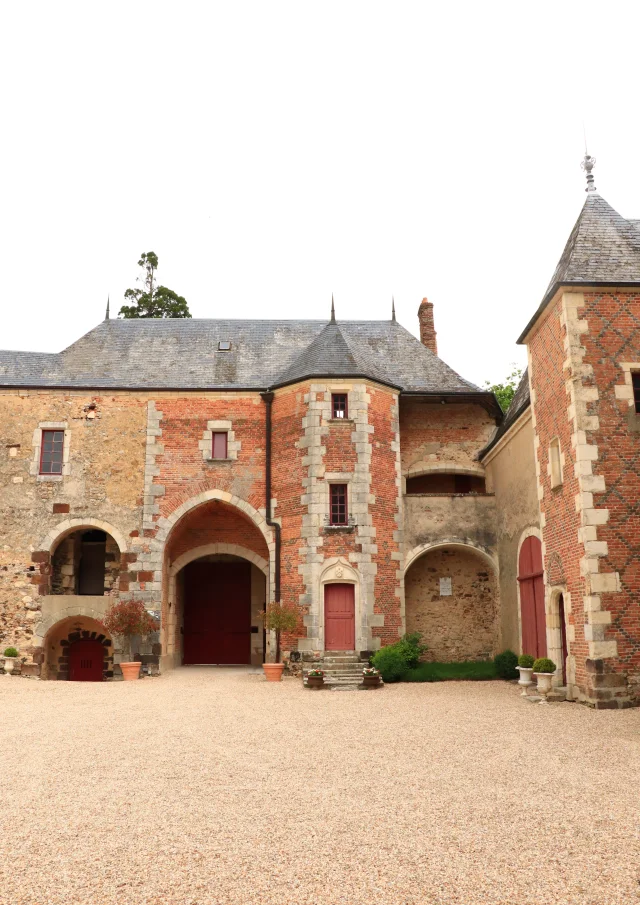
Château de La Chapelle d'Angillon|Catherine Bordier
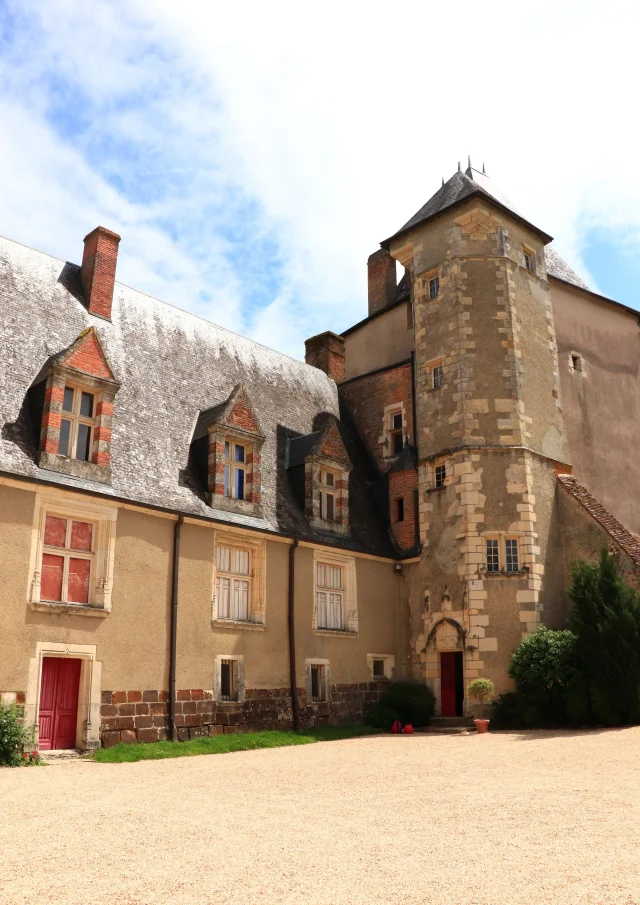
Château de La Chapelle d'Angillon|Catherine Bordier
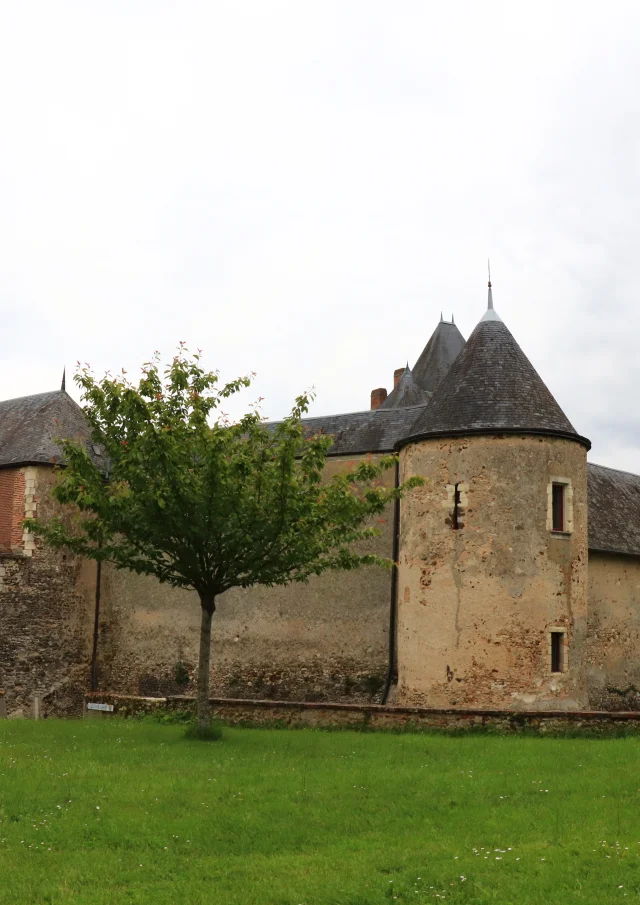
Château de La Chapelle d'Angillon|Catherine Bordier
Château de La Chapelle d'Angillon|Catherine Bordier
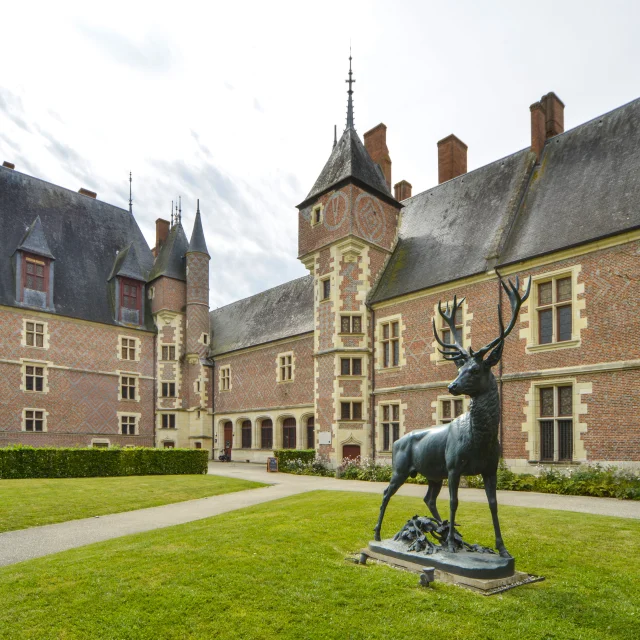
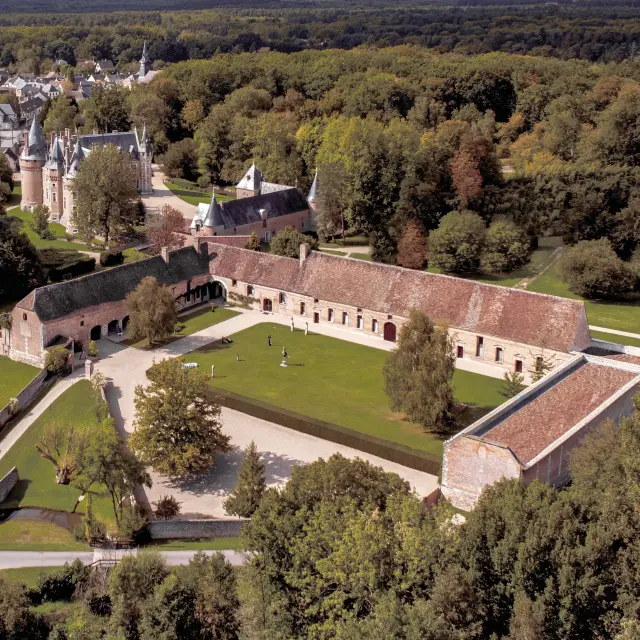
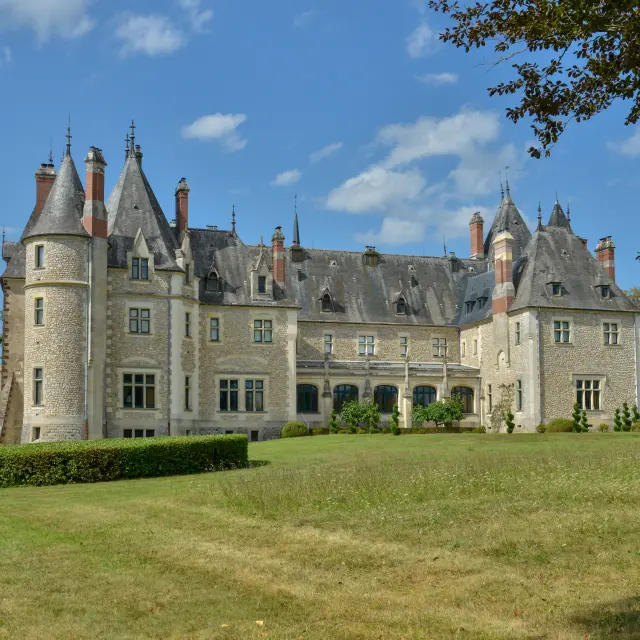
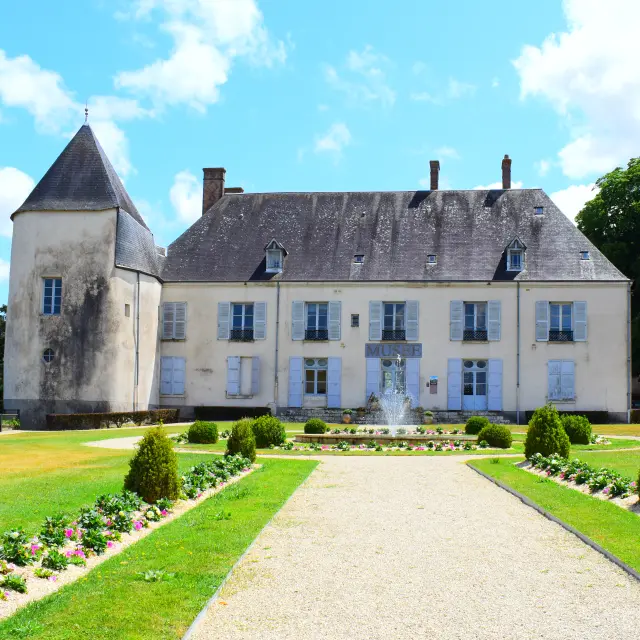
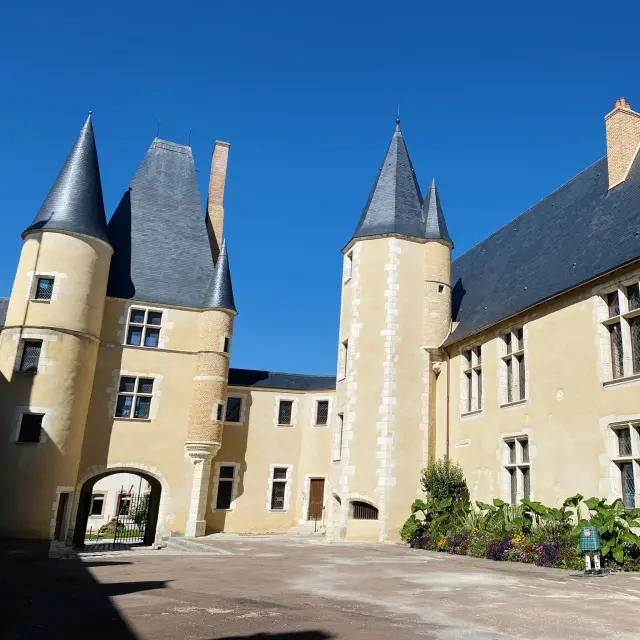
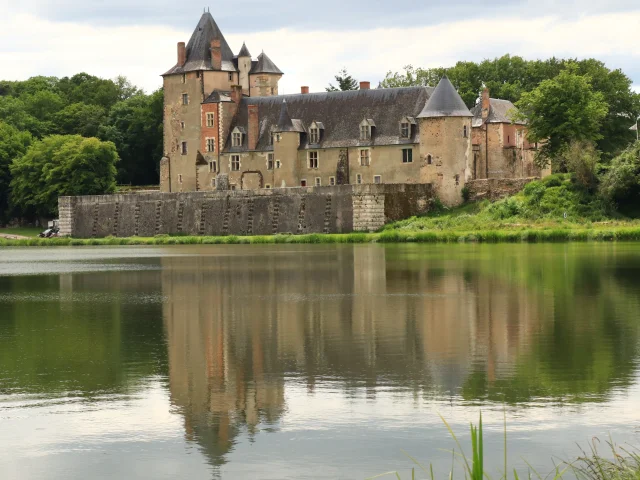
Château de la Chapelle d’Angillon, also known as Château de Béthune, consists of a group of buildings arranged in a rectangle around a central courtyard and flanked at the corners by round towers.
At the south-east corner, a square tower known as the keep appears to be “the oldest specimen of military architecture in the département”, according to Buhot de Kersers.
The upper floors are linked by a straight staircase built into the thickness of the west wall.
The castle was fortified in the 13th century: the entrance pavilion, made up of two truncated towers with ball-and-socket archways, frames a 15th-century vaulted base, which is itself raised by a more recent brick construction preserving traces of the portcullis and drawbridge system; an estimate for repairs to the castle roof dated 1719 describes a more complex roof with several pavilions, dormer windows and towers, probably modified in the 19th century.

Château de La Chapelle D'Angillon|Route Jacques Cœur

Château de La Chapelle D'Angillon|Route Jacques Cœur

Château de La Chapelle D'Angillon|Route Jacques Cœur
The second half of the 15th century saw the construction of the dwelling, the chapel (whose bell tower, reported in 1719, no longer exists) and the octagonal stair tower set into the corner of the keep, which is pierced with windows. The former kitchen in the basement of the dwelling contains a fireplace with an arched hood and a cross-vaulted ceiling. The monograms of Charles of Burgundy and Marie d’Albret, who were married in 1456, can be seen inside the great hall.
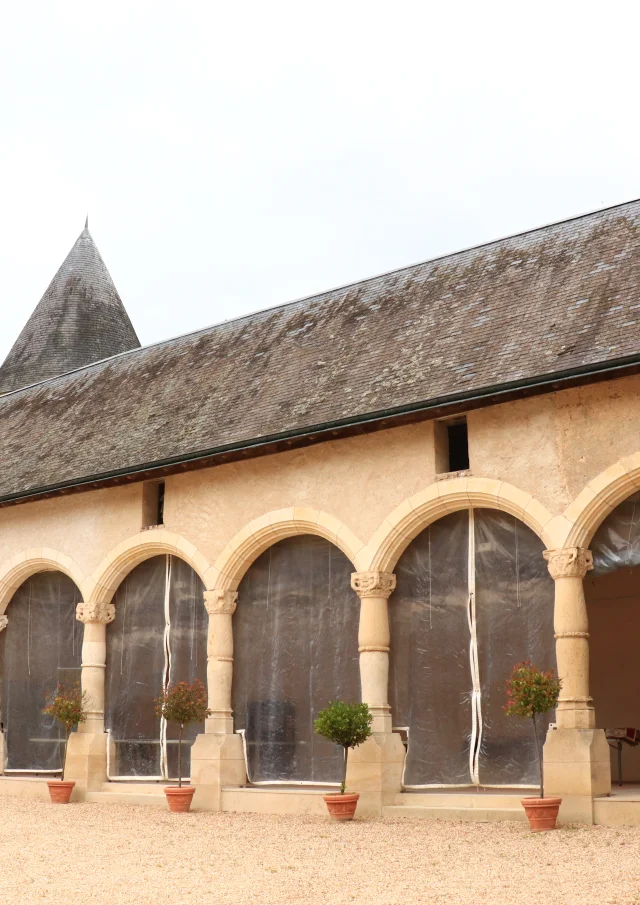
The two brick stair turrets on the back of the postern and the dwelling date from the late 15th century. A gallery overlooking the courtyard was built in the first half of the 16th century (around 1530). According to Sully’s accounts, it was unfinished in 1606.
It consists of seven arcades supported by 8 pillars, the shafts of which are decorated with foliage in bas-relief and the capitals with foliage scrolls. Largely hidden and distorted (it was used as a stable in the 19th century), it was completely restored in the 1980s.
In 1605, Maximilien de Béthune, Duke of Sully, bought the lands and castle of La Chapelle d’Angillon from the Duke of Nevers. In 1605, work began to embellish the château: walls were built around the grounds, which were completely refurbished. The drawbridge was destroyed and the 13th-century towers razed; all the windows in the dwelling were redone or opened on the east side towards the pond; the great hall was panelled with new panelling.
In 1606, a round tower was built on the east facade, and the moats were widened and bricked up: the bossed corner buttresses with their large, perforated chamfer that line the east terrace bear witness to this development. It was during this period that the inner terrace was built in front of the chapel and the dwelling. The keep was covered with a new pavilion roof. The château and its grounds were bought in 1808 by François Dumontde la Charnaye, a prominent figure in the administration of the First Empire in Berry.
Left abandoned for over a century, the château was severely damaged during a bombardment in 1940; the roofs were completely redone after 1945 as war damage. Listed as a historic monument since 1963, it undergoes regular restoration work.

Logo Sologne Val De Loire

La Demeure Historique logo

Berry Province logo
Find Château de la Chapelle d’Angillon on its website and networks: