For one year, save over €100 on admission tickets and events at over 30 sites (châteaux, parks, gardens, museums, exhibitions, historic towns, etc.).
Privilege Pass price at Noirlac Abbey: €6 instead of €9 for self-guided or guided tours
Visual 1 Flyer Abbaye De Noirlac 2026 Photo C Michel Parent Aseab
For one year, save over €100 on admission tickets and events at over 30 sites (châteaux, parks, gardens, museums, exhibitions, historic towns, etc.).
Privilege Pass price at Noirlac Abbey: €6 instead of €9 for self-guided or guided tours
ResoNance sound trail: offered on the afternoons when the exhibition is open – Access included in the price of admission.
From 1 February to 31 March, and from 2 November to 20 December
Tuesday to Sunday, 2pm to 5pm
1 April to 30 June and 1 September to 1 November
Tuesday to Sunday and bank holiday Mondays, 10am to 6.30pm
July and August
Daily, 10am to 6.30pm
From 1 February to 31 March and from 2 November to 20 December
Saturdays, Sundays and public holidays at 2.30pm
From 1st April to 1st November
Saturdays, Sundays and public holidays at 10.30am, 2.30pm and 4.30pm
In the heart of a protected natural environment, Noirlac Abbey, a place of innovation in sound, offers artists a unique space for creatingmusic and the spoken word, and opens up new ways oflistening, thinking and inventing tomorrow’s world with the local people and stakeholders.
Click here to find out more about the artistic programme.
Abbaye de Noirlac|Pierre Planchenault
Free admission.
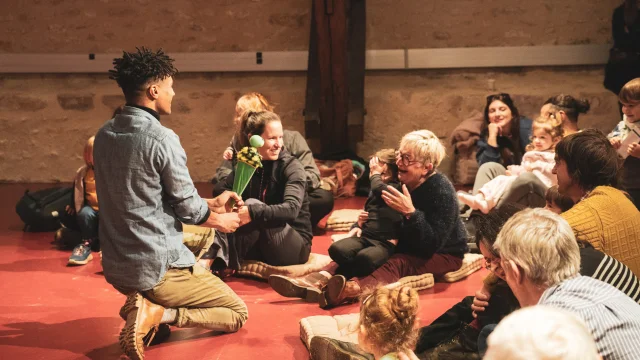
Guided themed tours and workshops on the Noirlac Abbey website.
Self-guided tour every day with“Escapades nature” audio guide (FR/EN) downloadable onto your smartphone by clicking here.
Abbaye de Noirlac|Yannick Pirot, 2024
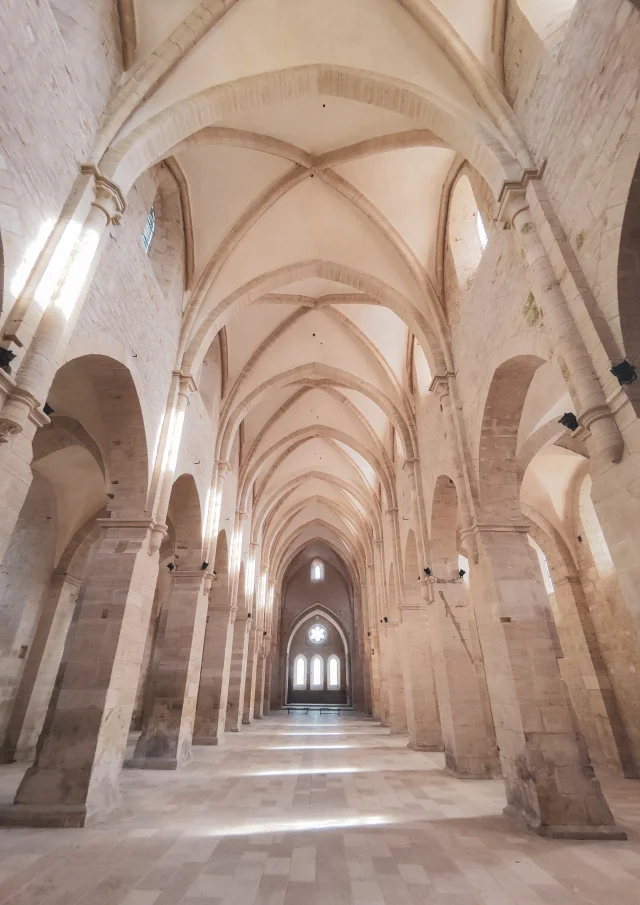
Abbaye de Noirlac|Pierre Planchenault
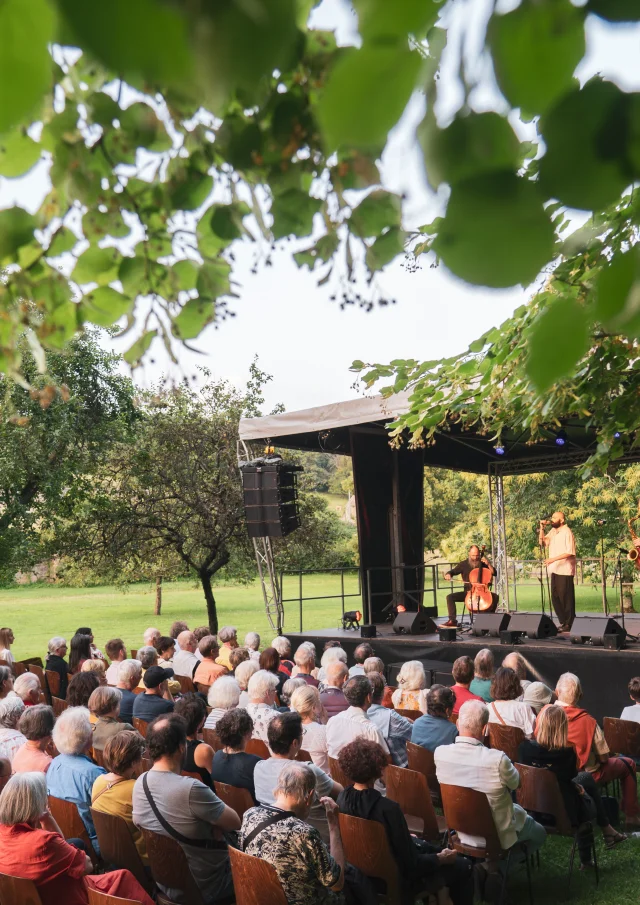
Abbaye de Noirlac, le Cri du Caire|Pierre Planchenault, 2024
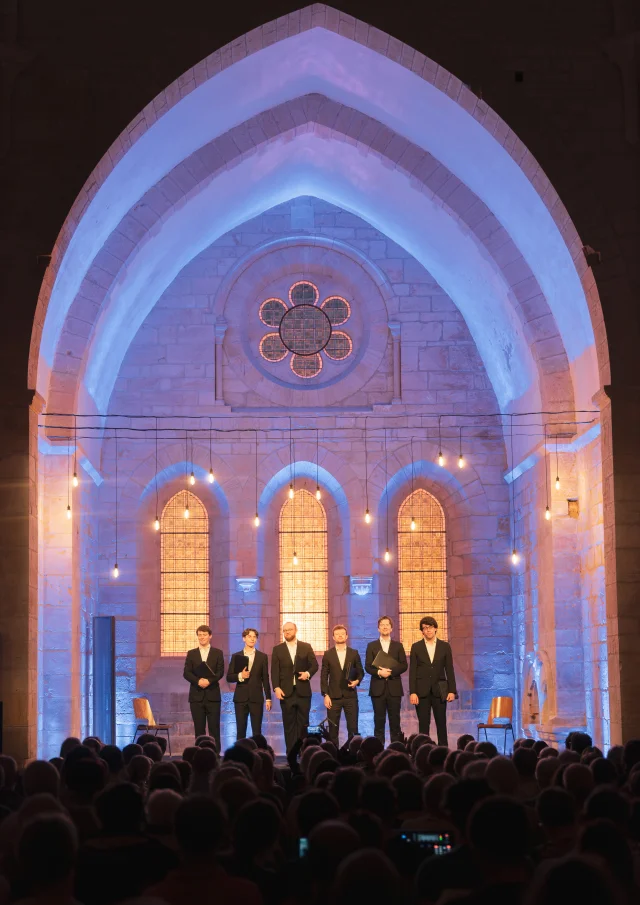
Abbaye de Noirlac, The Gesualdo Six|Pierre Planchenault, 2024
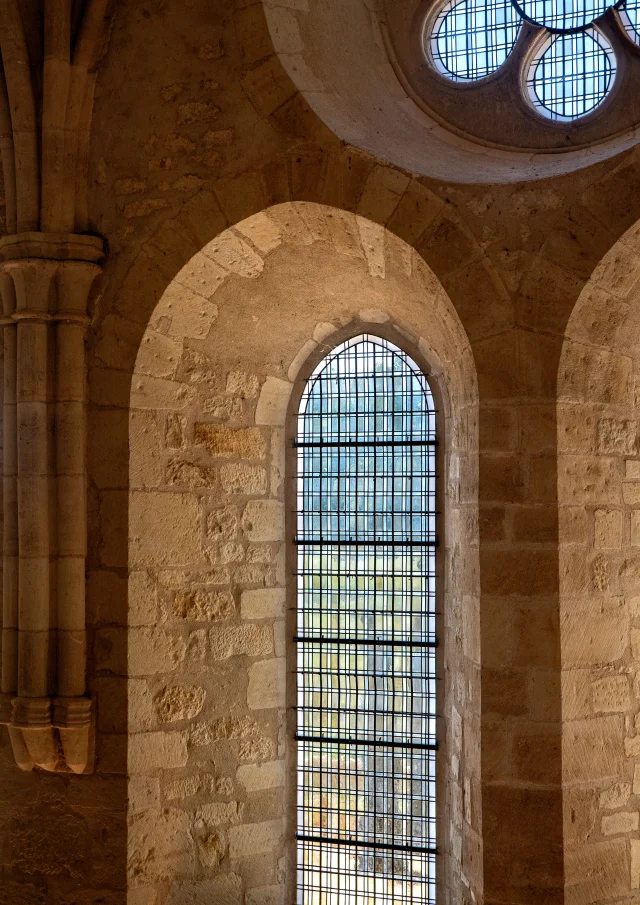
Abbaye de Noirlac|Yannick Pirot, 2024
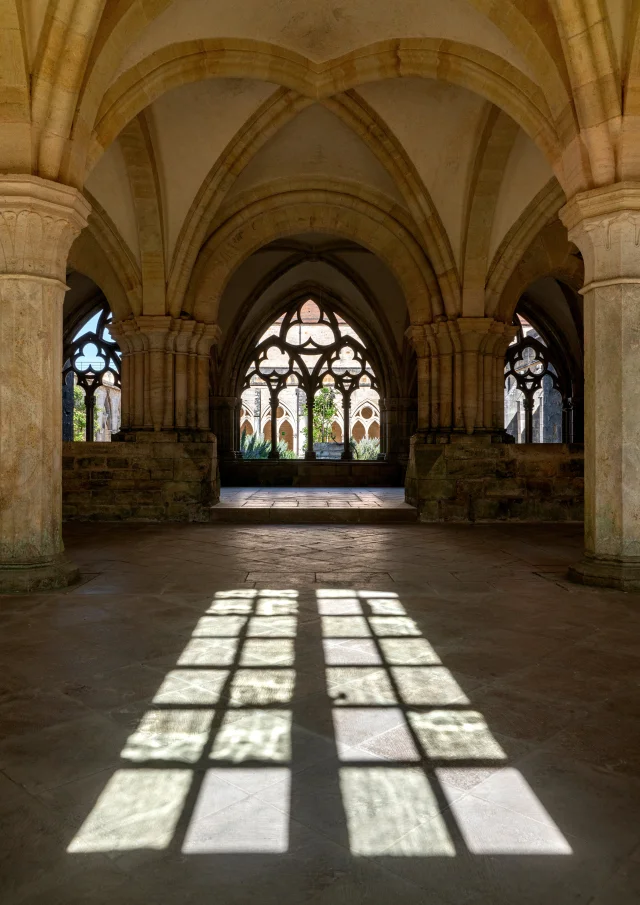
Abbaye de Noirlac|Yannick Pirot, 2024
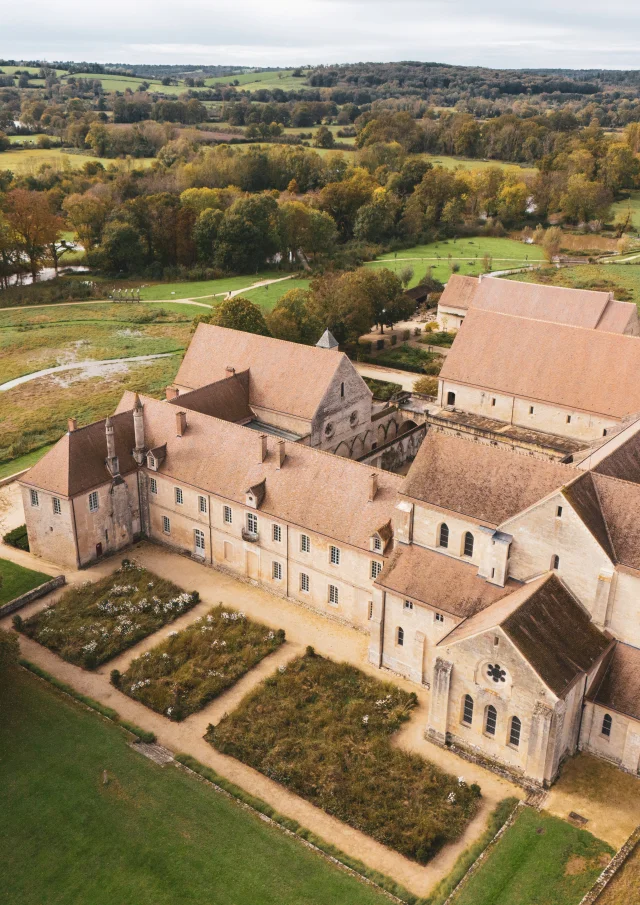
Abbaye de Noirlac|Pierre Planchenault
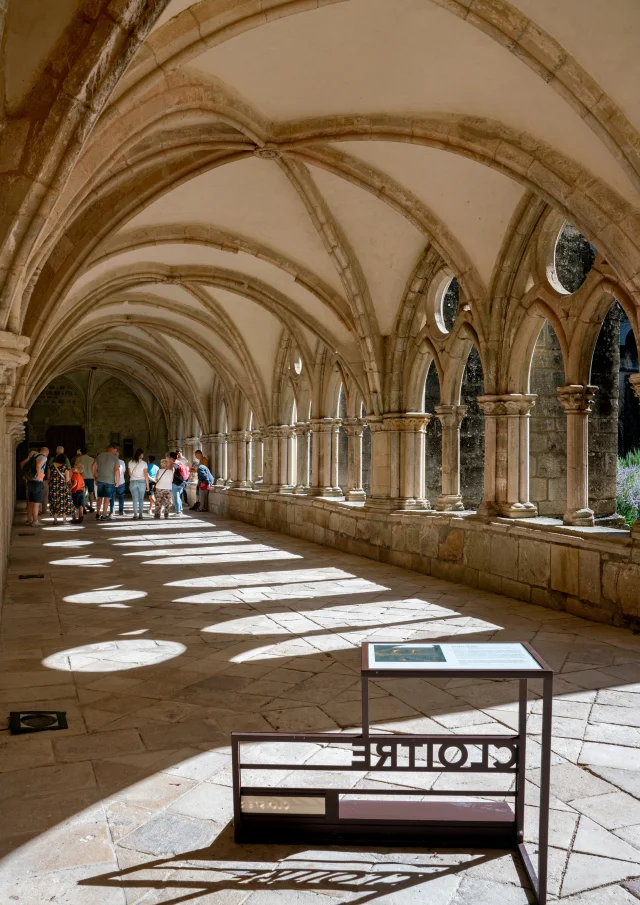
Abbaye de Noirlac|Yannick Pirot, 2024
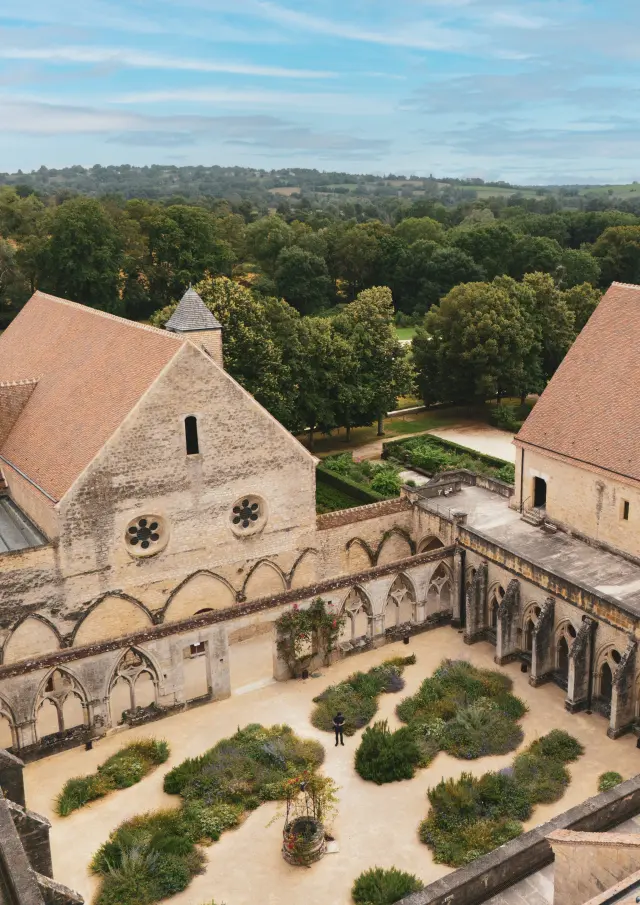
Abbaye de Noirlac|Pierre Planchenault, 2024
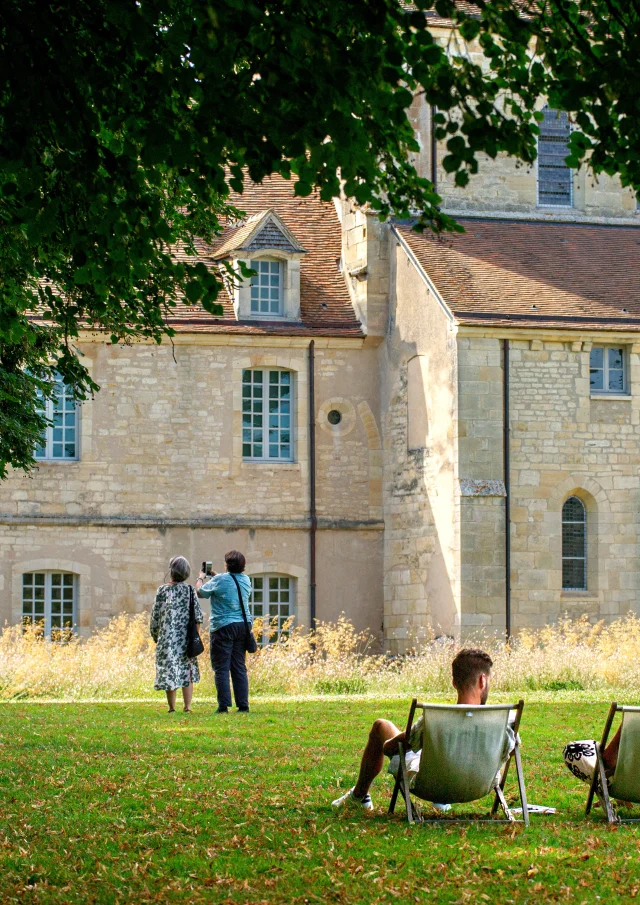
Abbaye de Noirlac|Yannick Pirot, 2024
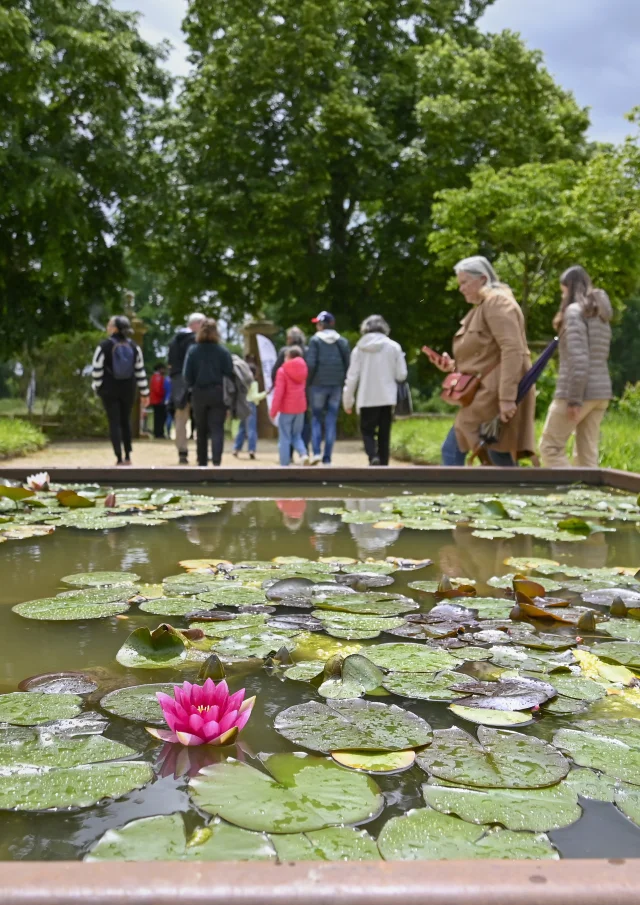
Abbaye de Noirlac, Jardins en Fête|Thierry Martrou, 2024
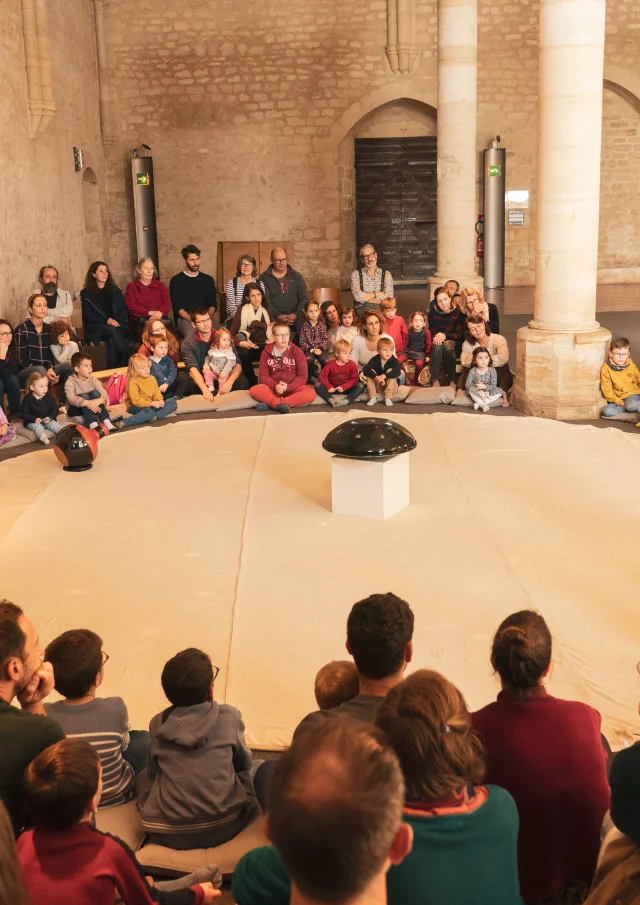
Abbaye de Noirlac|Pierre Planchenault
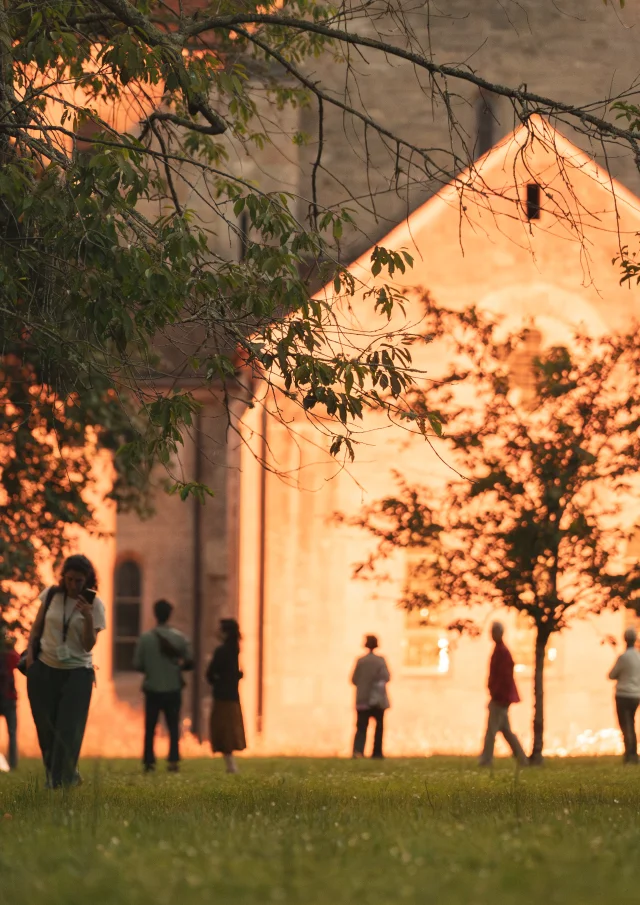
Abbaye de Noirlac|Pierre Planchenault, 2024
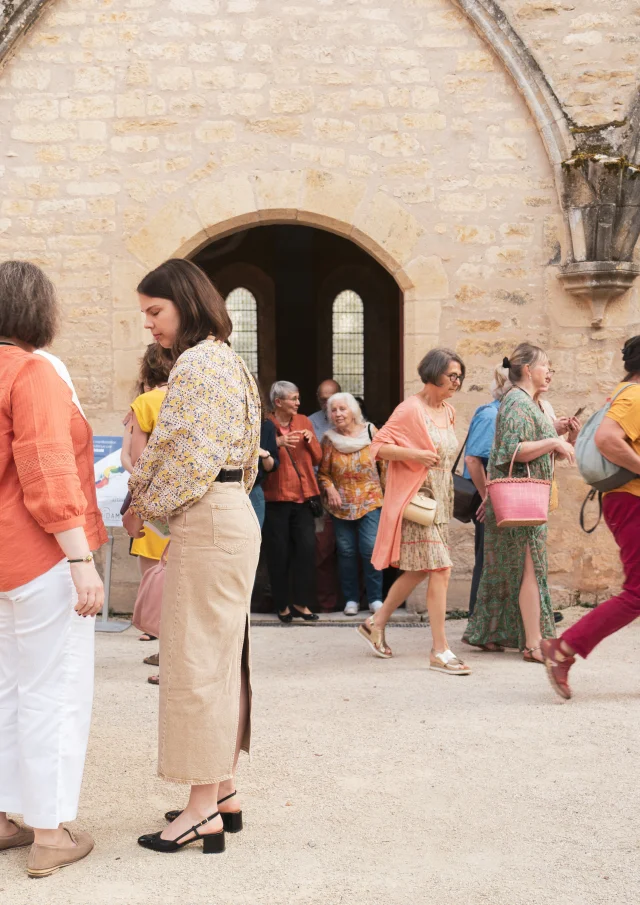
Abbaye de Noirlac|Pierre Planchenault, 2024
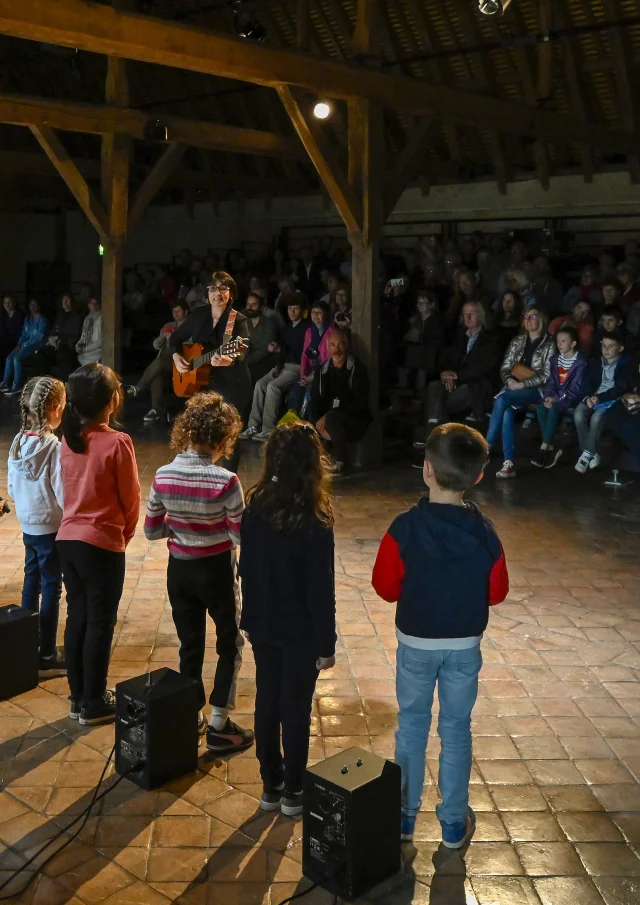
Abbaye de Noirlac, Jardins en Fête|Thierry Martrou, 2024
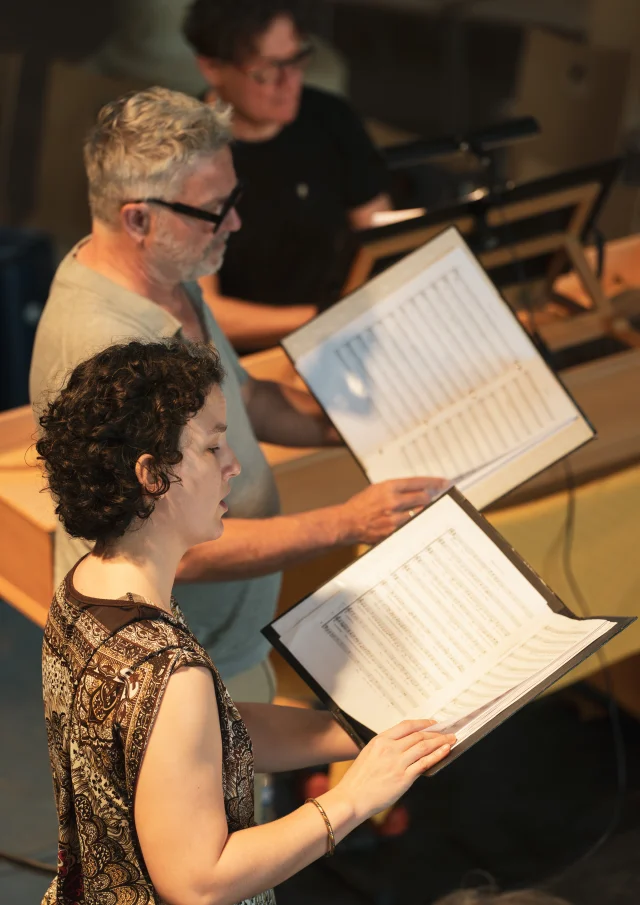
Abbaye de Noirlac, Doulce Mémoire|Pierre Planchenault, 2024
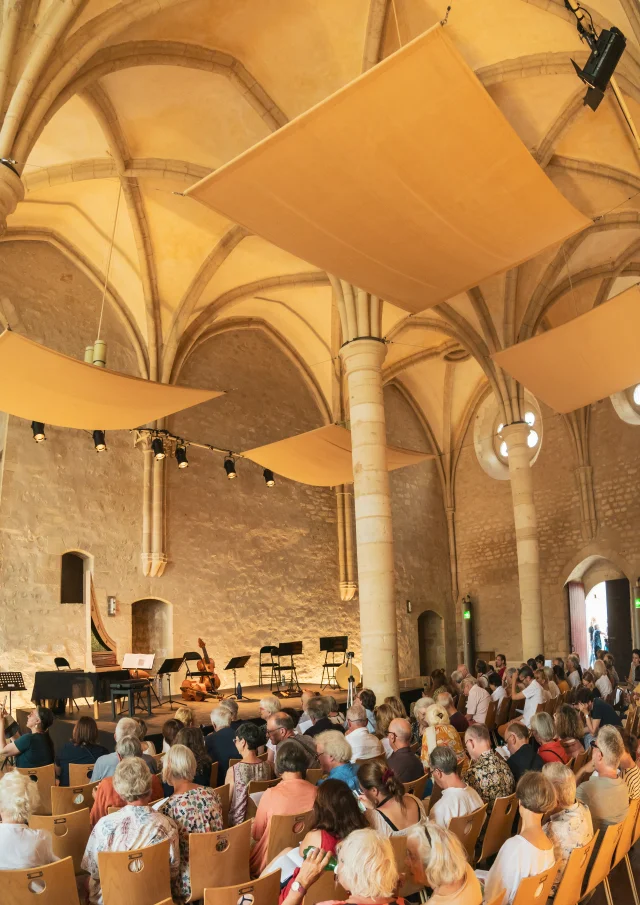
Abbaye de Noirlac, Celadon|Pierre Planchenault, 2024
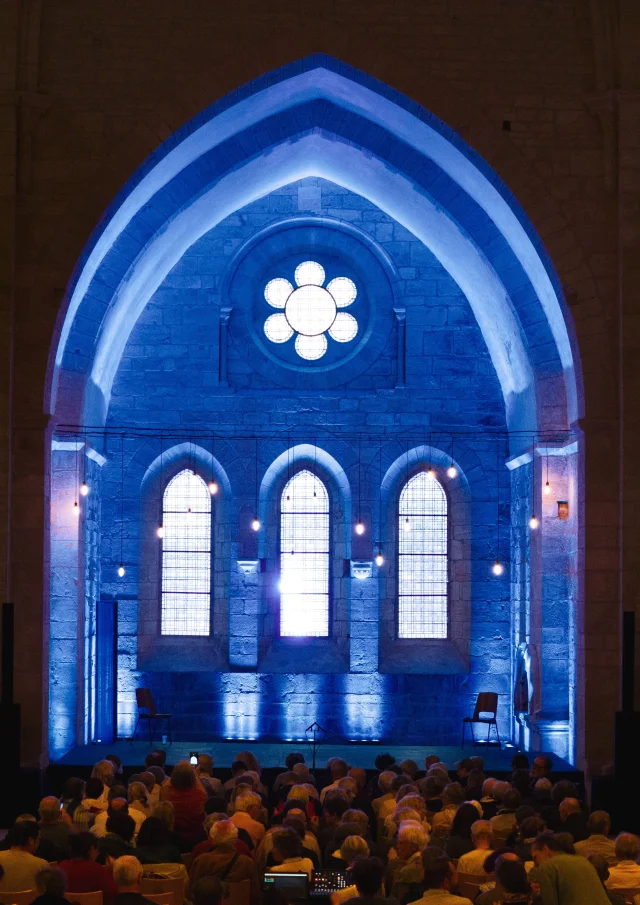
Abbaye de Noirlac|Pierre Planchenault, 2024
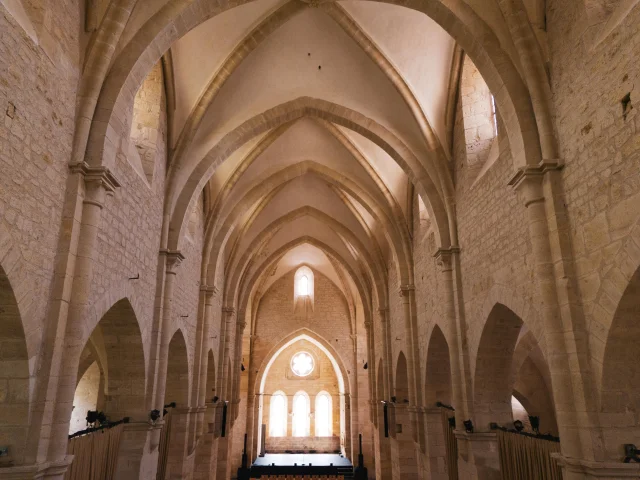
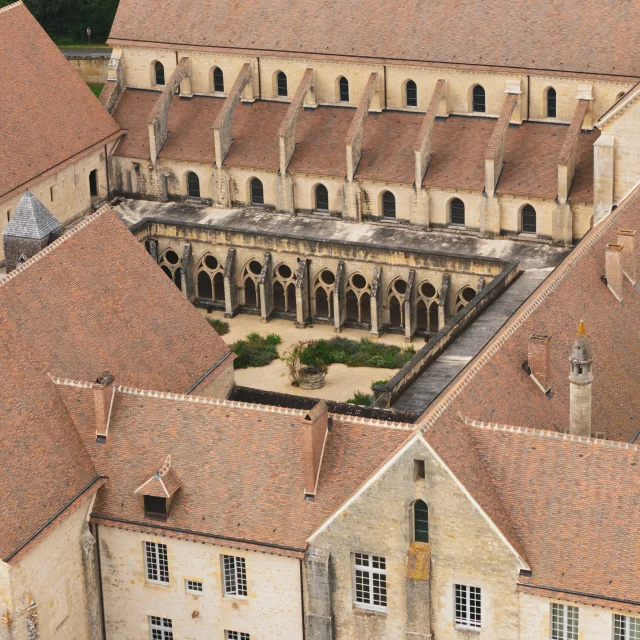
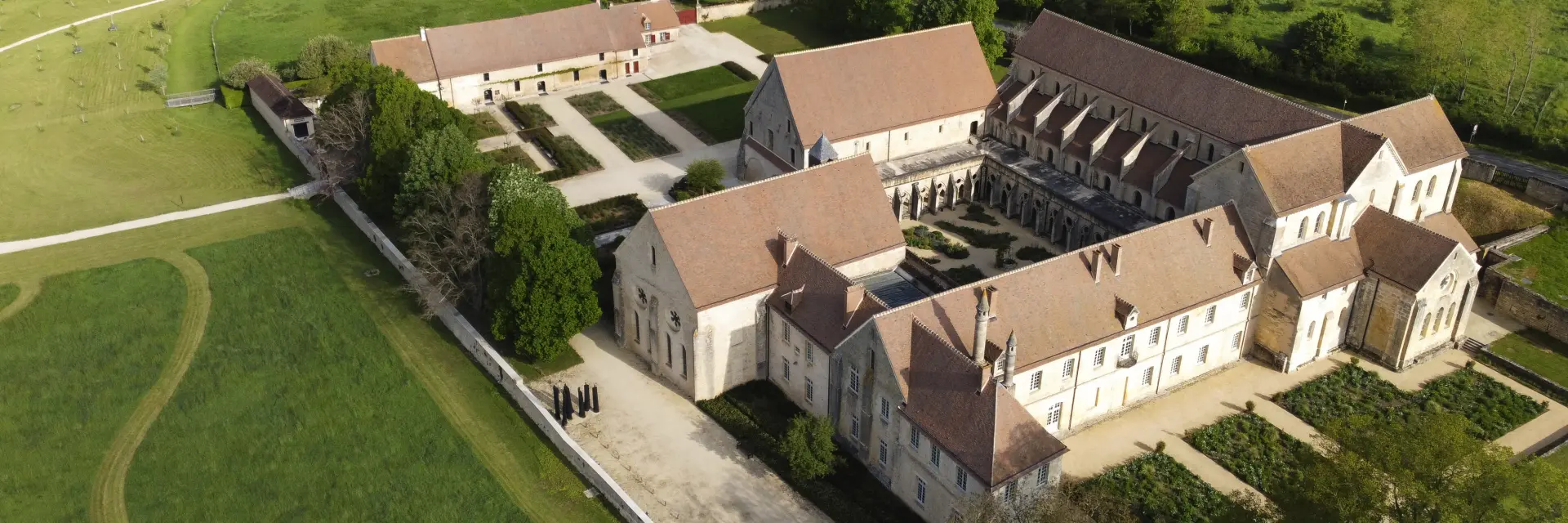
Acquired by the Department of Cher in 1909, the abbey has been entirely restored since 1950, respecting the stripped-back architecture of the buildings, a reflection of the asceticism of the founding Cistercian monks. Throughout its eventful history, the abbey has constantly demonstrated its ability to adapt: successively monastery, factory, country hospital, refugee centre, since 2008 it has been a Cultural Encounter Centre (CCR). Funded by the Conseil départemental du Cher, the Région Centre Val-de-Loire and the French government (Direction Régionale des Affaires Culturelles), it is now a centre for tourism, the arts and culture, rooted in its region and open to the world.
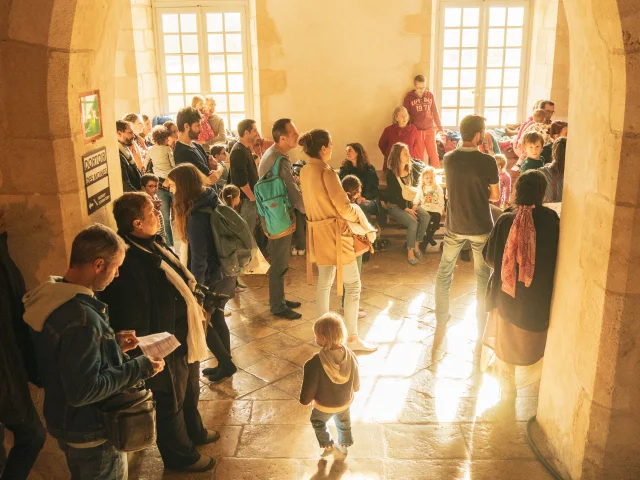
The silence and beauty that reign at Noirlac make it a place conducive to attention and dialogue, meditation and wonder. That’s why listening, talking and the landscape are at the heart of the events on offer from March to December. Just a stone’s throw from the abbey, the Creative Farm hosts artists’ recordings and residencies, creative workshops, shows and corporate seminars.
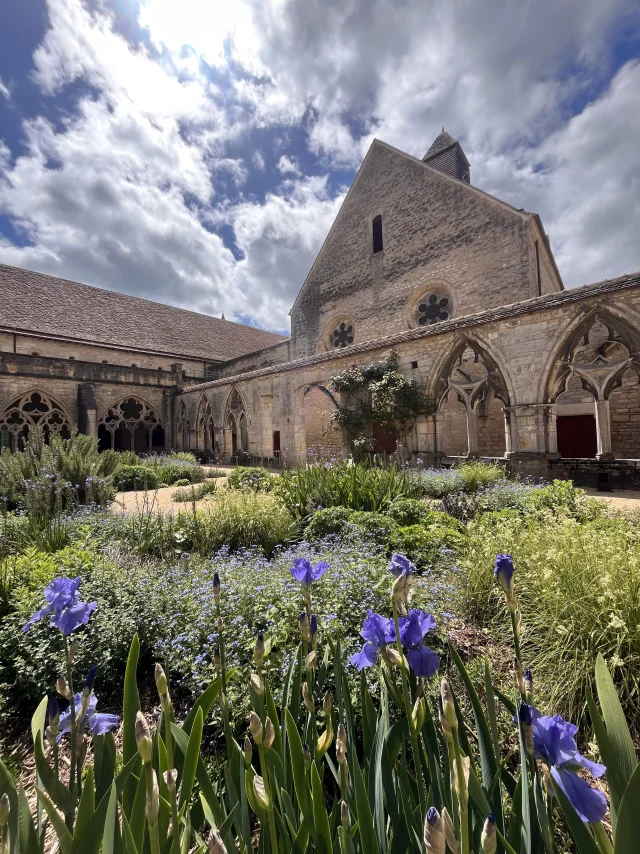
Abbaye de Noirlac|Abbaye de Noirlac
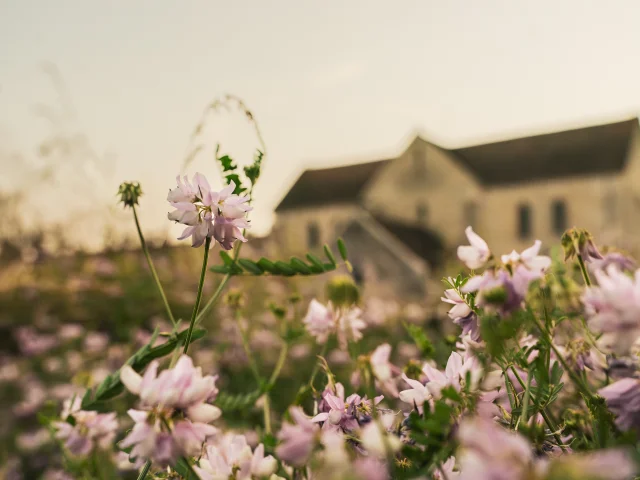
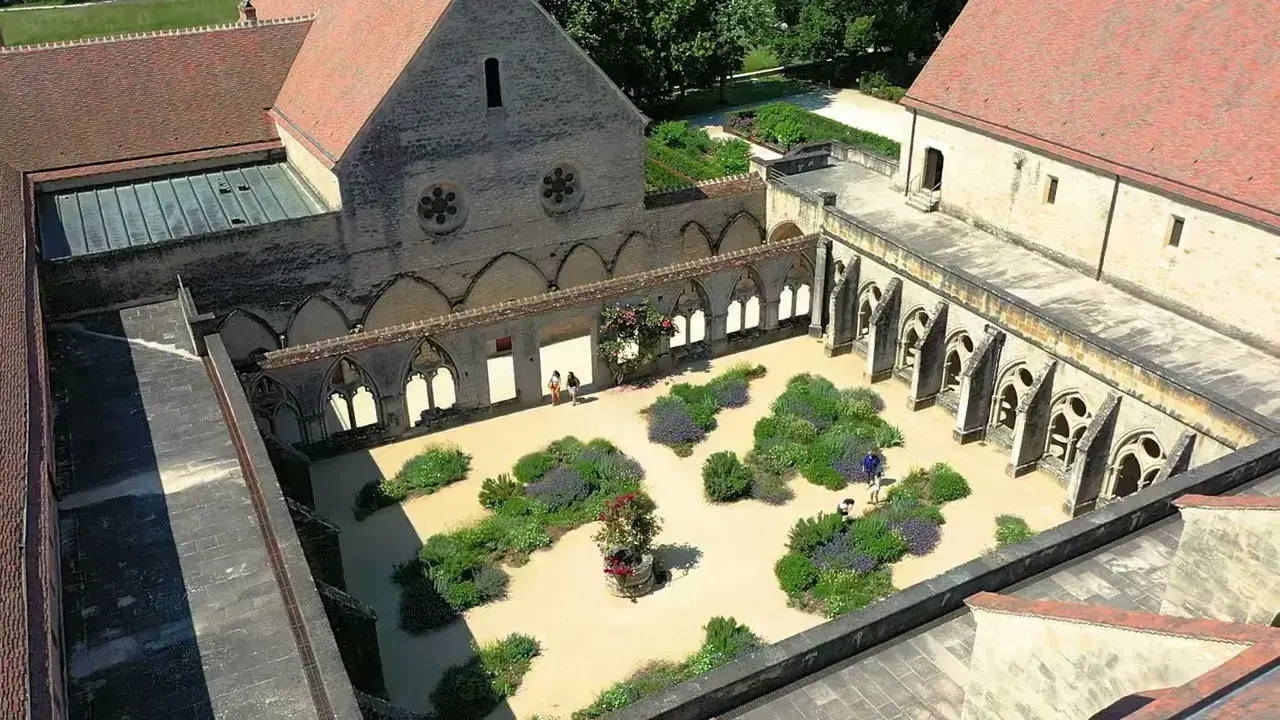
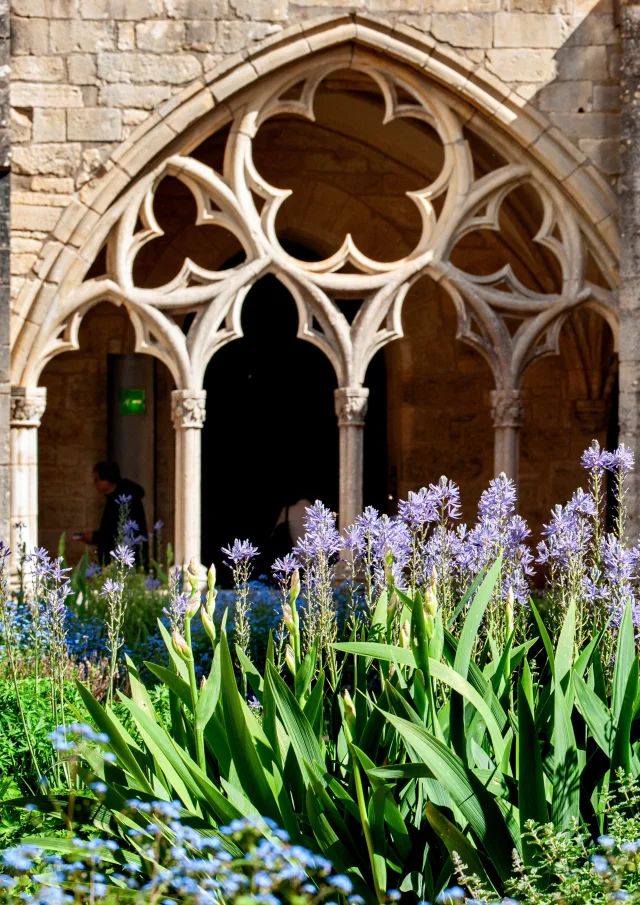
Designed by landscape gardener Gilles Clément, the gardens give structure to the space by offering a new perspective of the abbey from the southern entrance to the monument; they create a link between the disorder of the hedged farmland and the rigour of the Cistercian buildings. As soon as you arrive, the walled garden of Judas trees, the alleys of grasses, the pond and the room of changing roses invite you to contemplate and underline the purity of the architectural lines of the monument. In the heart of the cloister, around the flowering well, the sky is reflected in clouds of perennials, simple plants and aromatic herbs. Further on, the oriental gardens, with their light white tones, lead up to the magnificent avenue of two-hundred-year-old lime trees.
On the banks of the Cher River, Noirlac Abbey watches over its hedged farmland, worked by Cistercian monks from the twelfth century onwards. Still used for livestock farming, it has retained its original appearance, with meadows surrounded by hedges. Now a designated sensitive natural area, it is home to a wealth of flora and fauna, including protected species such as the European bee-eater, the bank swallow and the great capricorn beetle, an insect that lives only on hundred-year-old oak trees.
In 2008, the Cistercian complex became a Cultural Encounter Centre, and continues to undergo a number of improvements to both the buildings and the exterior, with the creation of gardens designed by Gilles Clément.
Noirlac Abbey is offering an immersive, innovative and atypical experience thanks to the résoNance project, from the outside of the abbey to the interior spaces.
To the rhythm of the music and sounds, navigate from one space to another, discovering the monument. You’ll discover its unique features and astonishing acoustics, which will leave you speechless. All the sound and music installations in the résoNance project are the result of collaborations with artists who share a love of this magical place. Each creation has its own artistic identity, testifying to the cultural richness of this auditory experience.
1136: settlement of a Cistercian community from Clairvaux Abbey (Aube) at a place called “la Maison-Dieu”.
1150: donation from Ebbe de Charenton to the monks. The construction of an abbey could finally be envisaged.
1189: Confirmation of the donation by notarial deed. The abbey prospered. It received tithes, rents and seigniorial income.
1290: the abbey is renamed Noirlac.
1423: to protect it from the armed bands ravaging the countryside, the abbey was fortified. Elevation of a keep, surrounded by a moat in the extension of the cellar.
End of the 15th century: the Noirlac community undergoes a profound moral crisis. An apostate monk and a murderer were reported.
Abbaye de Noirlac|Pierre Planchenault, 2024
Abbaye de Noirlac|Pierre Planchenault
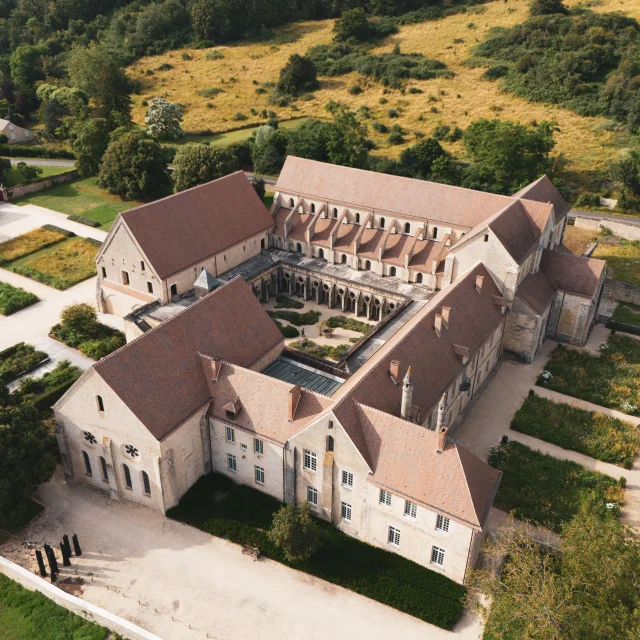
Abbaye de Noirlac|Pierre Planchenault, 2024
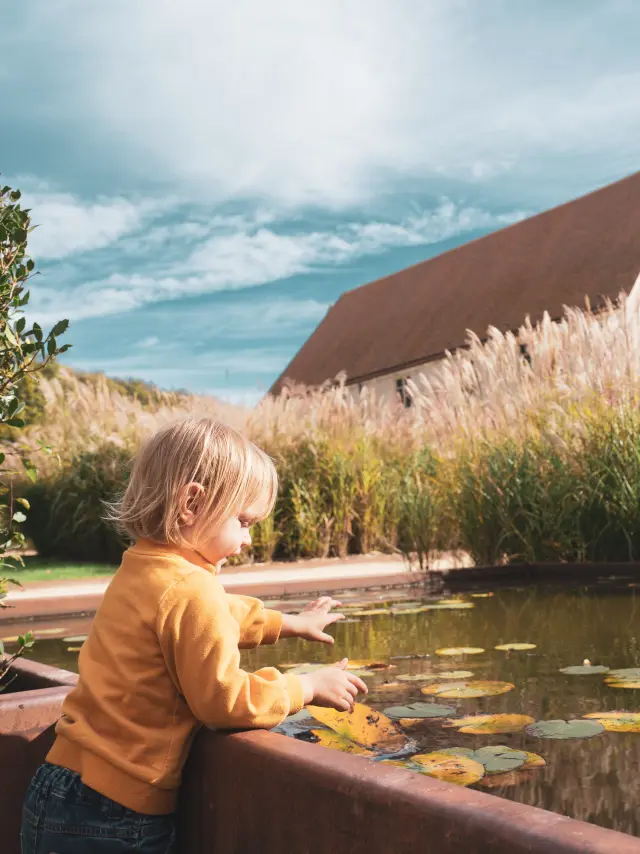
Abbaye de Noirlac|Pierre Planchenault
1530: Noirlac became a commende. From then on, its abbot was appointed by the king from outside the community.
1651-1652: the buildings were seriously damaged in fighting between royal troops and supporters of the Prince de Condé during the Fronde.
1712: reconstruction work. The monks’ wing was radically altered.
1791: sale of Noirlac for 150,000 livres as Biens Nationaux to Jean Amable Desjobert, who made it his second home for around fifteen years.
1822: converted into a porcelain factory, which in 1854 became part of the Pillivuyt group, a porcelain manufacturer in Foëcy. The monastery buildings housed workshops, accommodation, kilns and warehouses.
1837: Prosper Mérimée visits the abbey.
1862: the abbey is listed as a Historic Monument.
1894: first refurbishment. Removal of the industrial facilities by Abbé Pailler, who bought the site with a view to setting up an orphanage, a project that never came to fruition.
1909: acquisition by the Département du Cher.
1918: the American Expeditionary Force camps in Noirlac.
1939: Noirlac shelters Spanish Republican refugees.
1940: Noirlac takes in old people from the Saint-Amand-Montrond hospice.
1950: restoration work launched under the guidance of the historic monuments architects Ranjard and Lebouteux.
1980: completion of the restoration work by architect Jean Dedieu and creation in 1977 by Jean-Pierre Raynaud of the contemporary stained glass windows in the church and refectory.
2008: the abbey receives national recognition as a Cultural Encounter Centre.
2019: completion of the gardens designed by Gilles Clément.
2024: opening of the audio tour of Noirlac Abbey.

Destination Sud Berry logo

Destination Dexcellence logo

Logo Accueil Velo 1

Bourges 2028 logo

Espace Naturel Sensibles Du Cher logo

Logo Nouvelles Renaissances En Cvl 1

Historic Monument logo

Logo Abbaye De Noirlac 1

Berry Province logo
Find out more about Noirlac Abbey on its website and networks: