For one year, save over €100 on admission tickets and events at over 30 sites (châteaux, parks, gardens, museums, exhibitions, historic towns, etc.).
Privilege Pass price at the Galerie Capazza: €4 instead of €6 for the visit
Galerie Capazza|Galerie Capazza
For one year, save over €100 on admission tickets and events at over 30 sites (châteaux, parks, gardens, museums, exhibitions, historic towns, etc.).
Privilege Pass price at the Galerie Capazza: €4 instead of €6 for the visit
(By appointment) Private visit : €50 (including a private visit, a drink and an art book, deducted if more than twice this amount is purchased)
From 21 March to 6 December Saturdays, Sundays and public holidays from 10am to 12.30pm and 2.30pm to 7pm
Information by telephone on 02 48 51 80 22 or by e-mail at [email protected]
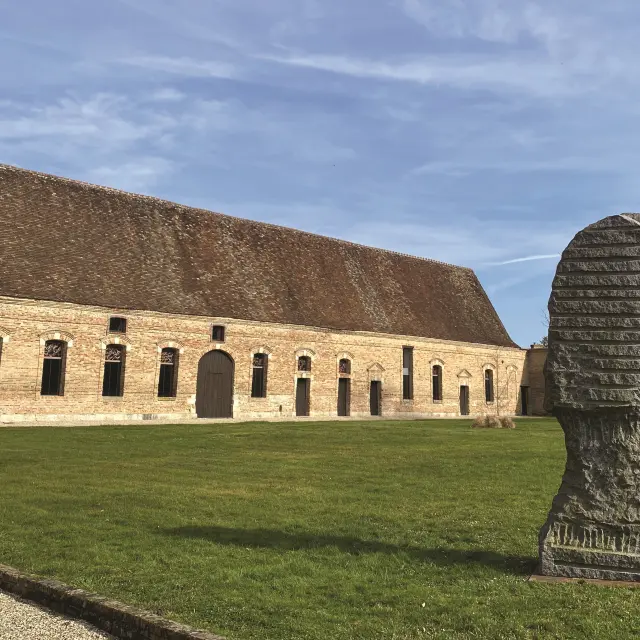
Galerie Capazza, Denis Monfleur|Galerie Capazza
3pm – 8pm – Free admission.
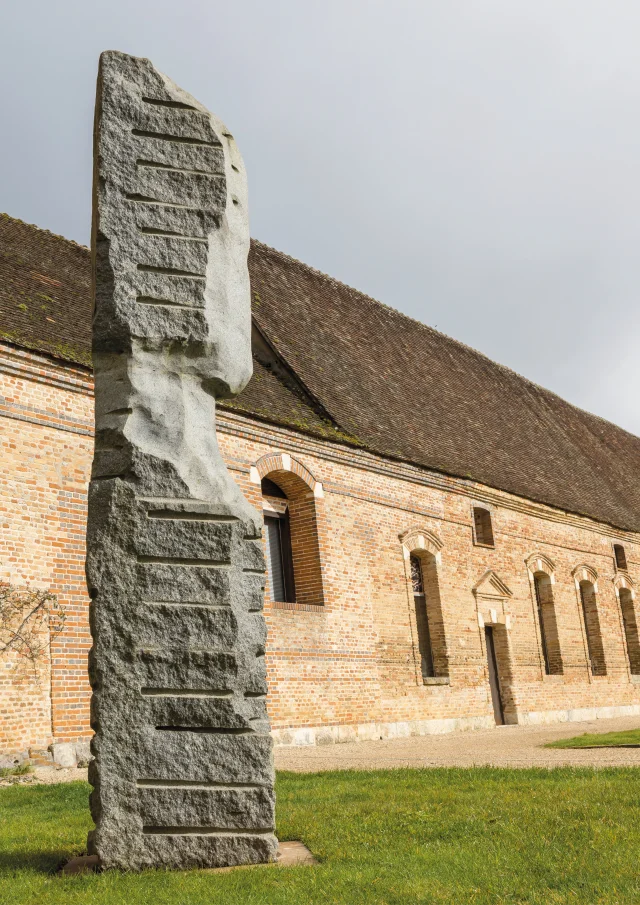
Galerie Capazza, Denis Monfleur|Galerie Capazza
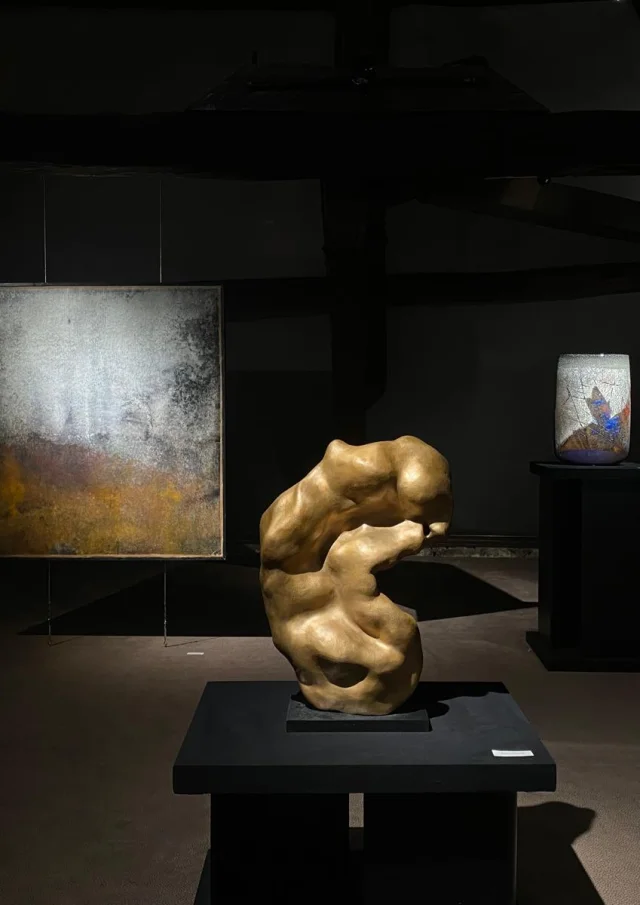
Galerie Capazza|Galerie Capazza
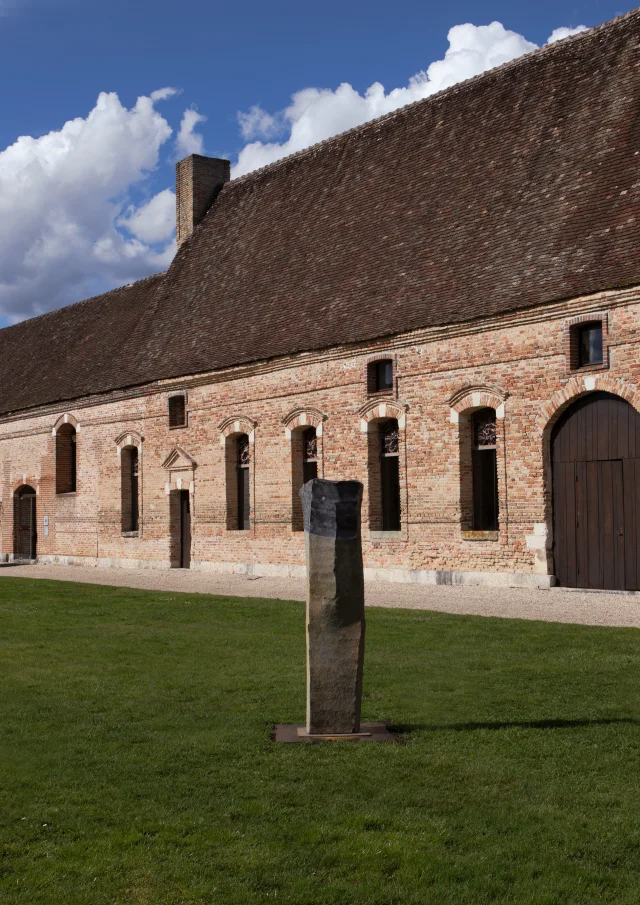
Galerie Capazza, Denis Monfleur|Galerie Capazza
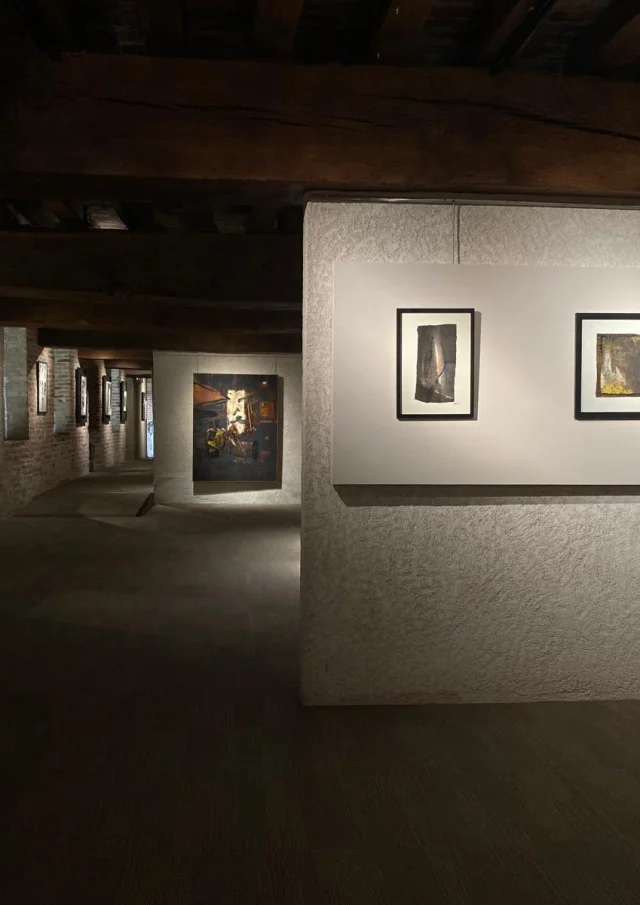
Galerie Capazza|Galerie Capazza
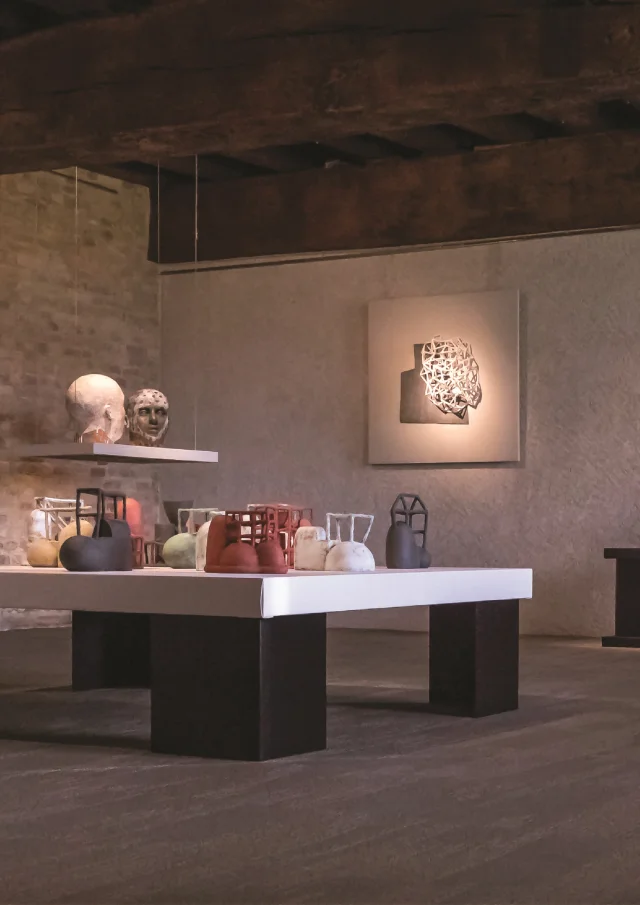
Galerie Capazza, Denis Durand|Galerie Capazza
To enter this port is to leave behind the ordinary squalls and storms, and even words and phrases. It’s like entering a time dilated where only the gaze counts, first caught by the space between the long brown façade and the grassy rectangle planted with sculptures. Thus stripped or washed of the everyday, it is possible to walk through the door. As you wander through the rooms, where the works resonate within you, or not, abolished time arrives. Silence hugs the polished brick, the lighting leads the eye, the works converse with each other, footsteps stop, go around, move aside, the hand would like to sketch out an approach, the eye caresses a surface, tries to understand the material, dreams from a fragment. The words will then return, on the spot, on the way back, by other paths.
To describe the place in this way would be to describe only part of it, and would be to forget the duo who created and run it, who have become a quartet in recent years. With their complementary personalities, at once discreet and present to each visitor, the four accomplices provide a warm welcome, intimate knowledge of the artists selected, the right unveiling of the techniques employed, acute attention to detail, and the art of inviting music and gastronomy to amplify the inaugurations. Gérard and Sophie Capazza ‘s first-day utopia is reminiscent of the Abbey of Thélème, but it’s they who make it happen for us, whether we’re faithful visitors or just passing through. Faithful? No other doctrine than the sharing of artistic emotions, a principle that Denis and Laura Durand-Capazza have enthusiastically embraced with the same passion as their elders.
Sometimes, something of the enchantment felt between the walls arrives in a home thanks to the adoption of a piece chosen by particular eyes, a piece then coloured by its new context. Would the work have found these gazes and completed its journey begun in the artist’s studio without his presence in Nançay?
On leaving the gallery, before returning to the time of the clocks, who hasn’t felt refreshed and rejuvenated by the presence of the works and the beneficial impression of elsewhere in this atypical place?
(Elisabeth Dousset – extract from the book “Ensemble depuis 40 ans”, Editions Galerie Capazza, 2015)
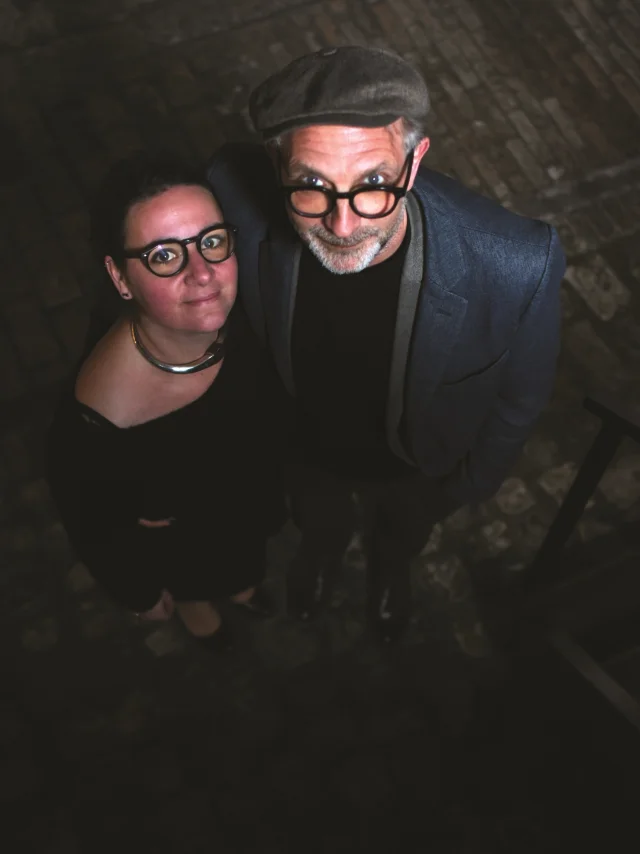
Galerie Capazza, Laura and Denis Capazza Durand|Julie Beal
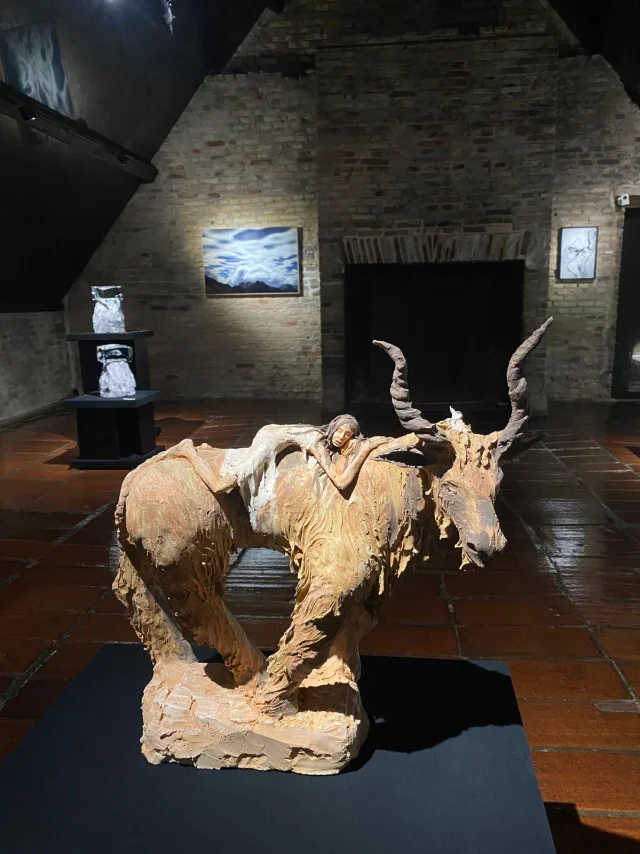
Galerie Capazza|Galerie Capazza
Gérard Capazza is not the least famous of these ocean-going captains. For forty years, he has taken his crew far beyond the known and recorded worlds, never ceasing to explore what had not yet been explored. Without doubt having received the honours it would have deserved, it has written history, redefined the map of the senses, and pushed back the frontiers of the horizon.
The men and women who boarded his ship of art and peace, aboard this singular Ark rich in so many treasures, have, without always being aware of it, participated in an undertaking to preserve the world, at the same time as taking a cruise through the imaginary world of our time. Murderous reefs, headwinds and sudden storms have not succeeded in deviating one inch from the course of this unsinkable will.
In its wake, I see the possibility of inventing new worldsin my turn…
(Ludovic Duhamel – Director of Publication Miroir de l’Art – extract from the book “Ensemble depuis 40 ans”, Editions Galerie Capazza, 2015)
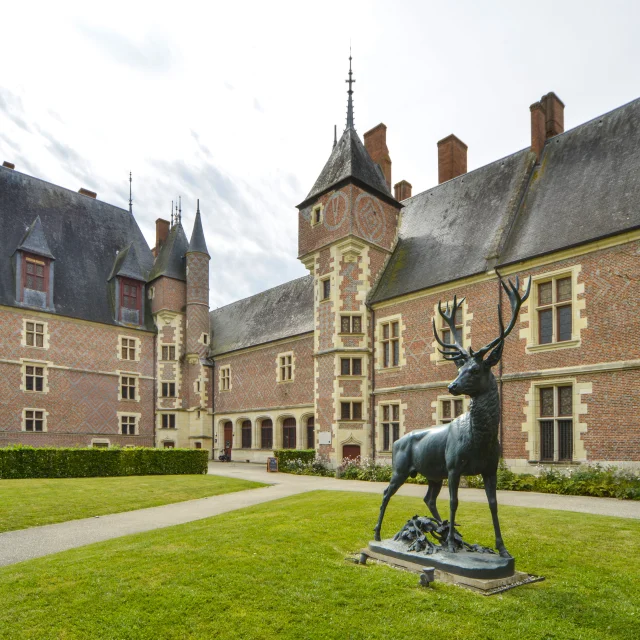
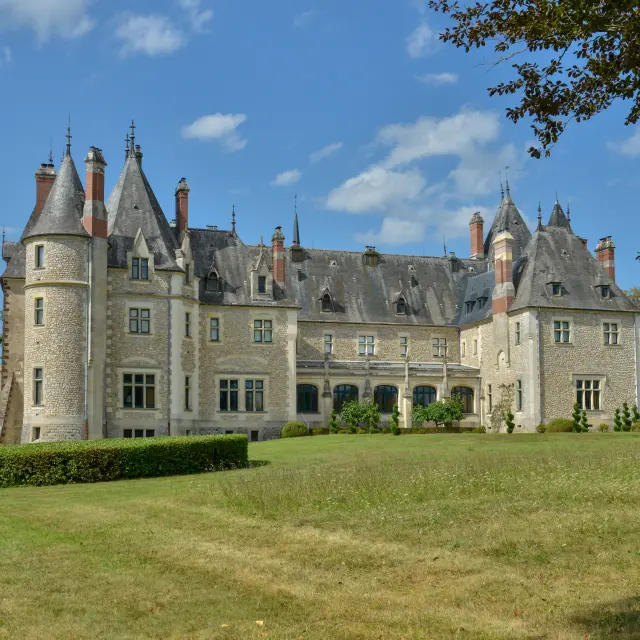
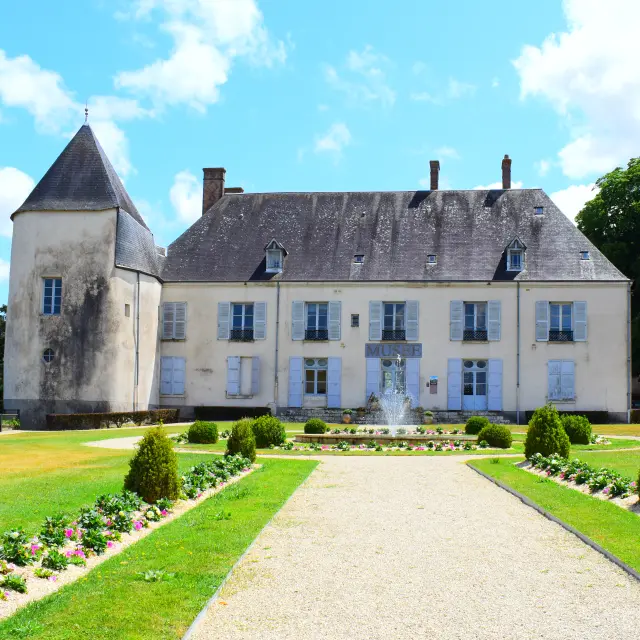
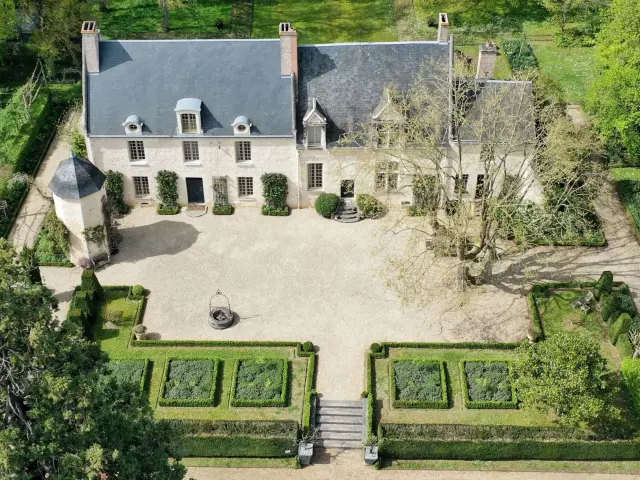
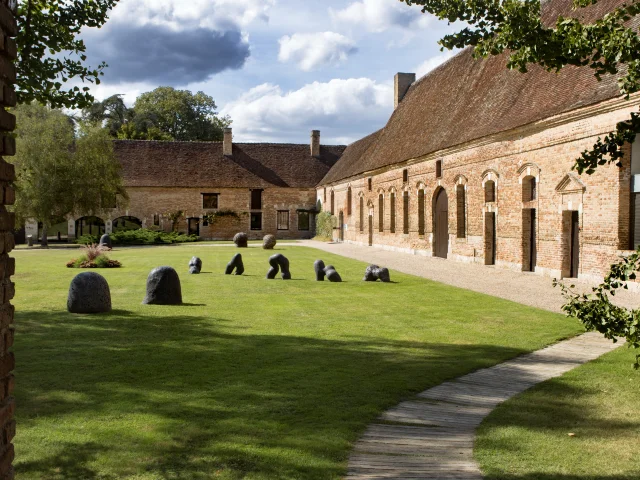
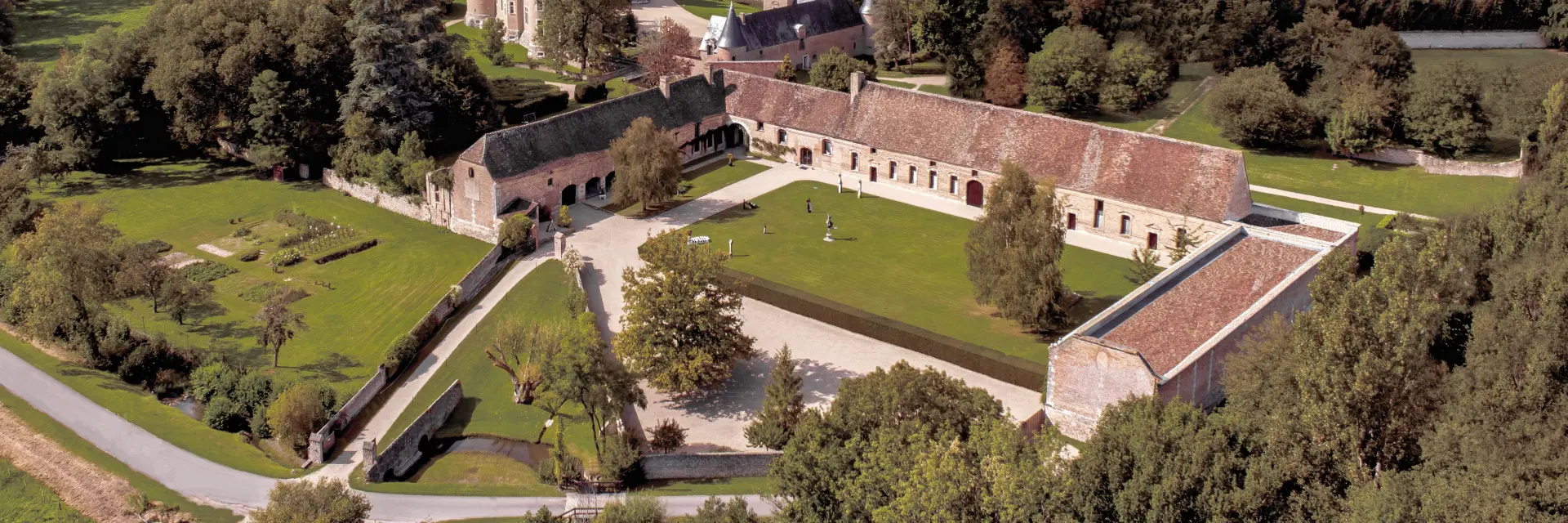
Few galleries have a space as conducive to showcasing works of art as Galerie Capazza. Each visit is a journey of initiation. You arrive at the Grenier de Villâtre via a small bridge over the Coulonet. As you pass through the door, you are greeted by two powerful statues of women by Franta and Fanny Ferré. Further on, Jacky Coville ‘s whimsical bestiary frolics on the vast lawn between sober pink brick buildings.
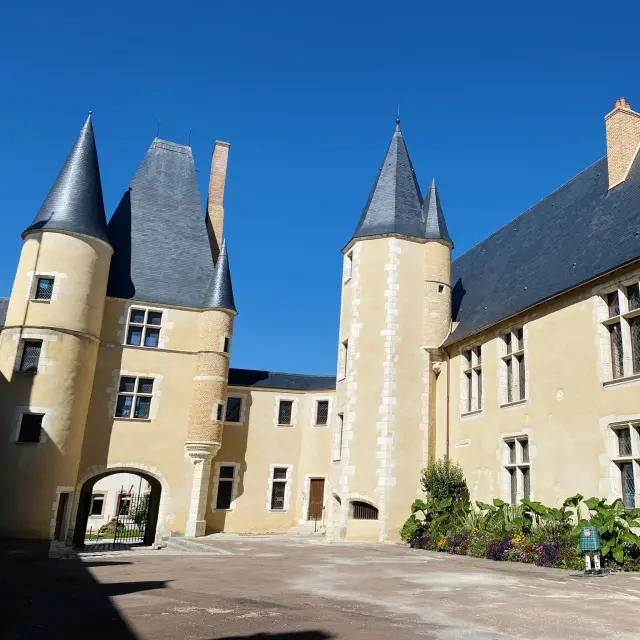
Grenier is aptly named, as it is indeed a place where grain is stored, grain sown in the soil of visitors’ imaginations. Was it the medieval dwelling of the squires of the Lord of La Châtre, or a 19th century castle farm? The place bears the imprint of its dual origins, as both a nobleman’s residence and a country house. Each room offers a bare space where each work can unfold its own world, resonate with its neighbours or echo from one room to another, without the eye ever being hindered by the artefacts of their staging.
(…)
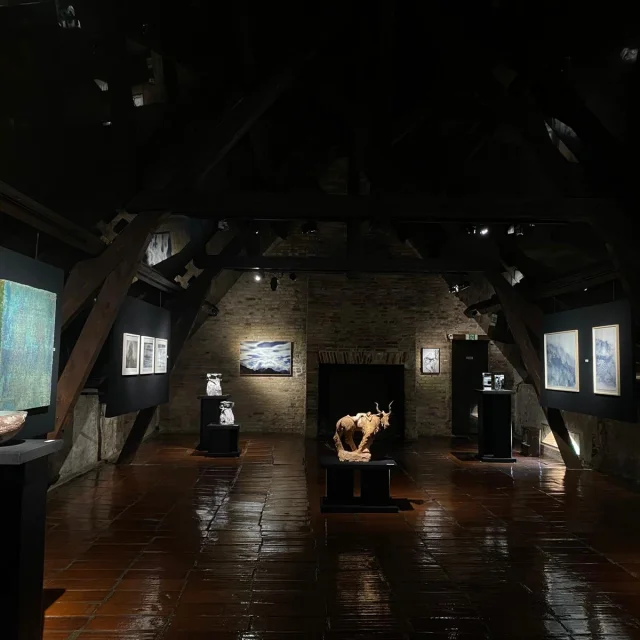
On certain evenings, the attic is the scene of “strange celebrations “1 where – as in the odyssey of Augustin Meaulnes – a coloured reflection floats in the high windows, music plays somewhere, shadows glide across the lawn and the hubbub of conversation rises in the brightly lit upper hall. These vernissage evenings are precious for art lovers. Here you can meet the artists in a convivial atmosphere that encourages conversation. You can hear Goudji recount his incredible journey from his native Georgia, Antoine Leperlier expound his philosophy of time and dream about the states of glass, Christine Fabre explain how she tames bronze, Bernard Dejonghe express his fascination with Neolithic tools and earthen crusts, Felipe Gayo enthuse about mathematics and the genesis of geometric forms…
(…)
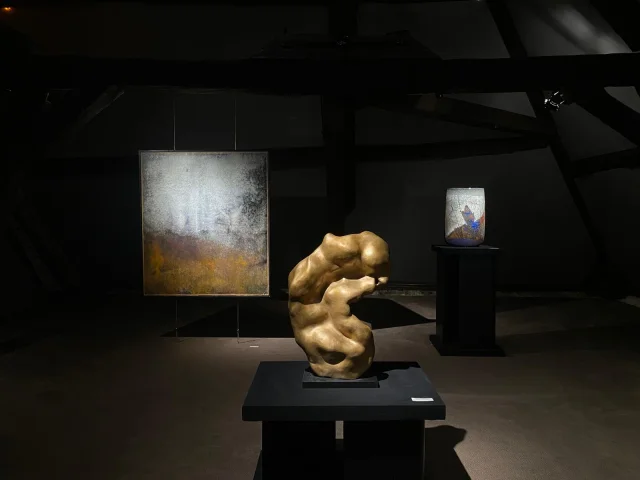
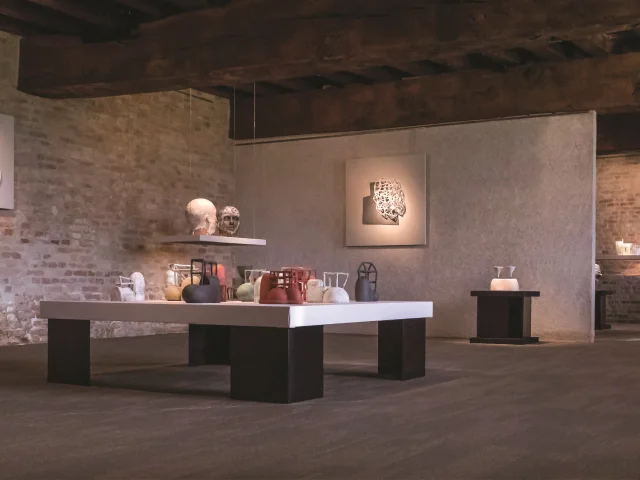
The magic of these evenings lies in the radiant presence of the works, which produce a vibration in the air. This presence is enhanced tenfold by the art of ” lighting “. For the gallery is above all a skilfully organised space of light. As you make your way through the rooms, there are passages of semi-darkness, the better to surprise you with the bright illumination of the pieces floating on fragile shelves. The lighting is a real eye-opener, an aid to reading and an encouragement to explore.
(…)
1 See Fournier, Alain, (2013, reprint of the 1913 edition), Le grand Meaulnes, Chapter 13: La fête étrange, Paris, Aux Forges de Vulcain. The gallery includes a small room dedicated to Alain Fournier, a child of the region, who was probably inspired by the buildings of the Grenier de Villâtre for the décor of the party at which Augustin Meaulnes meets Yvonne de Galais.
(Françoise Clerc – Villers, November 2014 – extract from the book “Ensemble depuis 40 ans”, Editions Galerie Capazza, 2015)
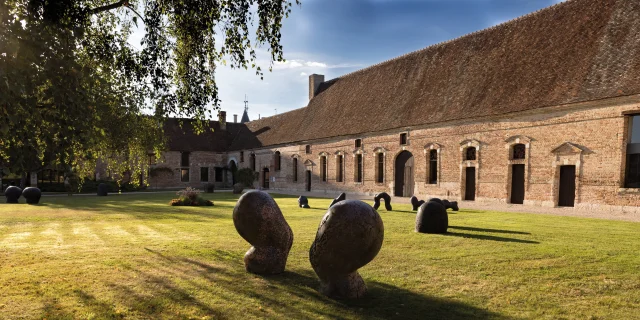
Galerie Capazza, Claudi Casanovas|Galerie Capazza
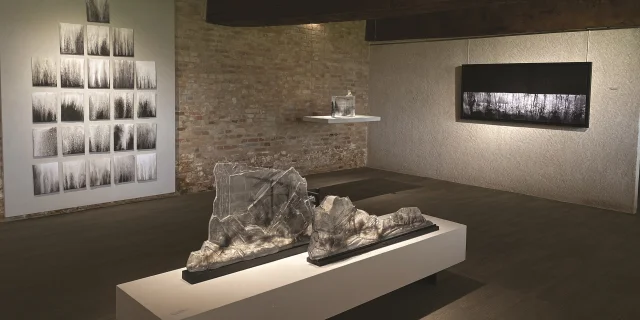
Galerie Capazza, Salle Galerie|Galerie Capazza
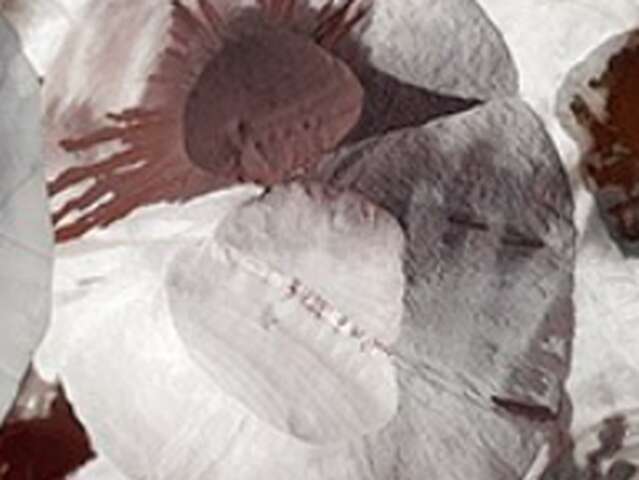
Continuity between the arts: goldsmiths, painters, draughtsmen, photographers, ceramists, sculptors and glassmakers all have their place in the gallery. Beyond the diversity, the attentive observer can detect correspondences, or rather echoes from one work to another, structures or forms common to one artist to another. Michel Madore ‘s painting ” Les dormeurs et un ange au-dessus d’eux ” evokes Jeanclos’s sculpted sleepers.
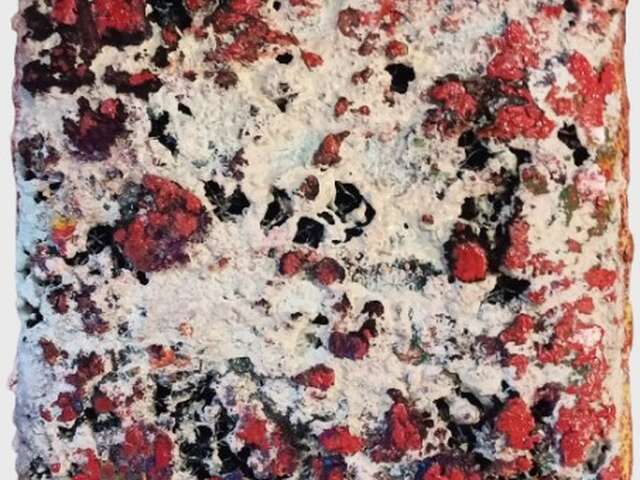
The resonances between ceramics and photography are magnified by Andoche Praudel’s ” Les champs de bataille “: photographs of former battlefields, pacified and fragile, are exhibited alongside the tortured ” Trophées “, exploded and charred, as if abandoned in the hell of the fighting. The echoes and links help to create a dreamlike world that now extends to the books, where Denis Durand ‘s photographs do justice to the artists’ work.
Although we are more spontaneously drawn to clay and glass, we have also learned to appreciate other arts. With Philibert-Charrin, for example, Gérard Capazza used all his talent to help us discover the subtlety of his constructions and his quirky sense of humour.
When we became art lovers, we realised that aesthetic value lies not in the work itself, nor in the way we look at it, but in the relationship that the work has with the person contemplating it and mentally inserting it into their own universe. A collection projects something of the collector. Choosing a work is a moment of intense emotion, between the exaltation of discovery and the triviality of estimating the possible, between desire and the principle of reality, during which the trusting dialogue with Gérard Capazza plays an important role.
When it comes to our favourite artists, for whom we have a particular expectation, the pleasure is in sharing a vision of their work, comparing it with works we already know, noticing a new way of doing things… For others, it’s first and foremost the gallery owner’s eye that’s important to us and the resulting presentation, a presentation that integrates it into a favourable context and highlights the particular qualities of the work. As after a concert, when the sounds still vibrate in the ear, at the end of the visit images float before our eyes. It’s time to go back to our everyday lives, to go home and take with us, if possible, a nugget, a concentrate of emotion, the memory of an encounter.
(Françoise Clerc – Villers, November 2014 – extract from the book “Ensemble depuis 40 ans”, Editions Galerie Capazza, 2015)

La Demeure Historique logo

Berry Province logo

Logo Engage Pour Un Tourisme Durable Cvl
Historic Monument logo

Logo Syndicat National Des Antiquaires

Logo Comite Professionnel Des Galeries Dart
Find the Galerie Capazza on its website and networks: