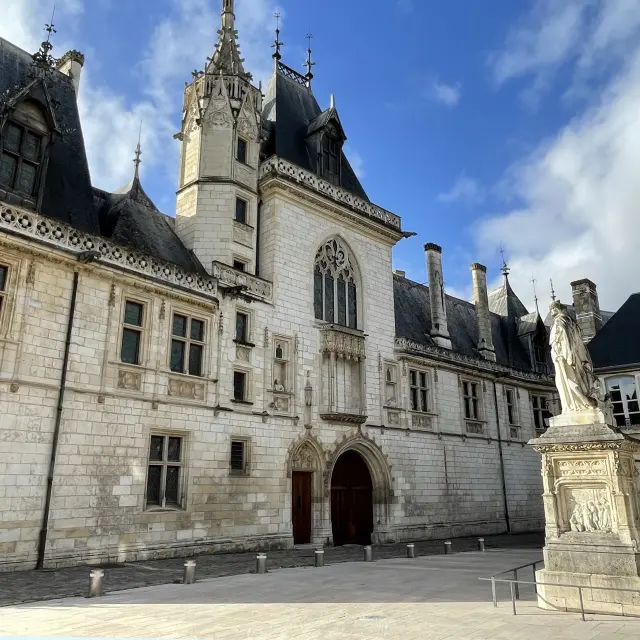
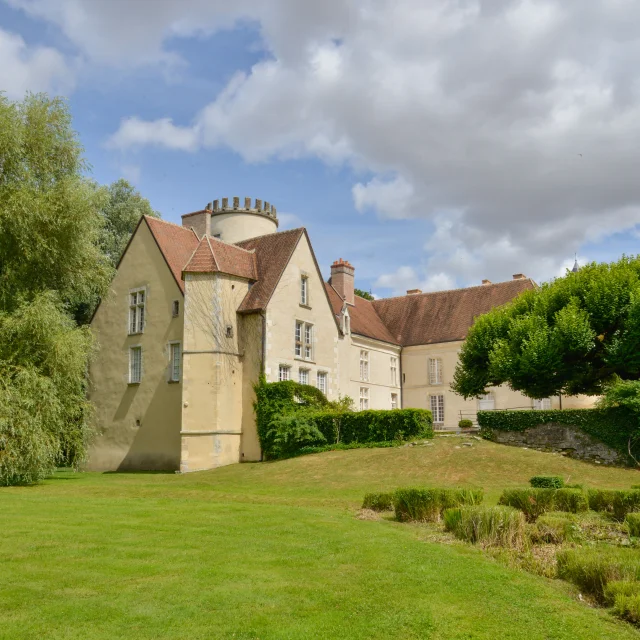
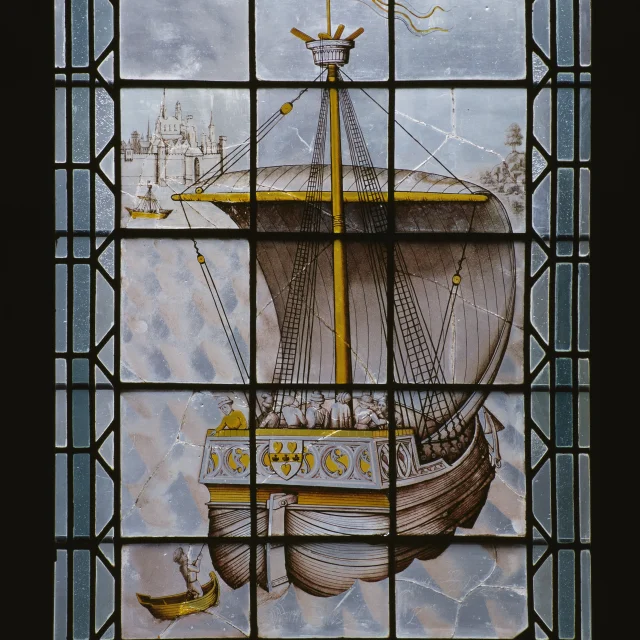
Bourges, Statue Jacques Cœur|Ad2t du Cher

The history of the Route Jacques Cœur
The Route Jacques Cœur, the first of France’s historic routes, was created in 1954 on the initiative of three property owners, the Marquis de Mortemart at Meillant, Baron Géraud d’Aligny at Ainay-le-Vieil and Jean Ferragut at Culan.
These intrepid souls wanted to open up their properties to a curious public, who could appreciate private historic monuments and contribute to their upkeep. The Second World War was over. The country had recovered from its ruins, and its infrastructure had been restored and modernised. Tourism had a bright future ahead of it. The idea was a good one, especially as the châteaux of the Loire were attracting more and more visitors.
And because Chambord had, in 1952, set the example for the first (in the world?) sound and light show, the dynamic promoters from the Berry region proposed three, from the day the circuit was inaugurated on 26 June 1954.
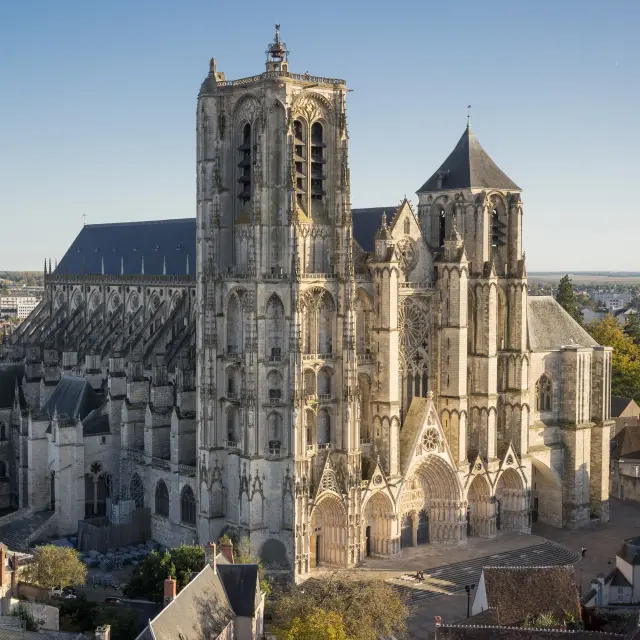
Today, with the help of its success, the Route Jacques Cœur brings together castles, museums, Bourges Cathedral and Noirlac Abbey around the palace of the famous Argentier. It is presented here in its geographical configuration, its historical ambience, its affinities with Jacques Cœur, the emblematic figure of the 15th century, and the many and varied opportunities it offers over a 180-kilometre route right through the heart of France.
Extract from “La Route Jacques Cœur” – Jean-Yves Ribault
The Route links various sites in the region where Jacques Cœur was born. It is located in the heart of France, a former theatre of military struggles between the English, Armagnacs and Burgundians. Today, the region is a hub for tourism and cultural exchanges. Fortresses, châteaux and towers bear witness to a past alternating between war and peace. All these places are exemplary for their architecture, their history and the great figures who have passed through them. This cultural heritage is set in unspoilt natural landscapes – Sologne, Sancerrois, Champagne Berrichonne and Boischaut.
The sites put on innovative events and projects to promote remembrance, history and heritage. The activities on offer are also developing towards more contemporary culture and craft or artistic activities, and are constantly evolving to the delight of visitors, helping to boost Berry’s appeal as a tourist destination.
For 70 years, the Route Jacques Cœur has maintained the values and innovative spirit of its 3 founding private owners, helping visitors to discover places steeped in history and to safeguard them. The association is chaired by Martine d’Aligny and run by Magalie Griffonnet, communications officer.
Privilege Pass
Discover the Route Jacques Cœur loyalty scheme and benefit from over €100 in accumulated savings on all the sites in the Pass, so you can visit at a smart price!
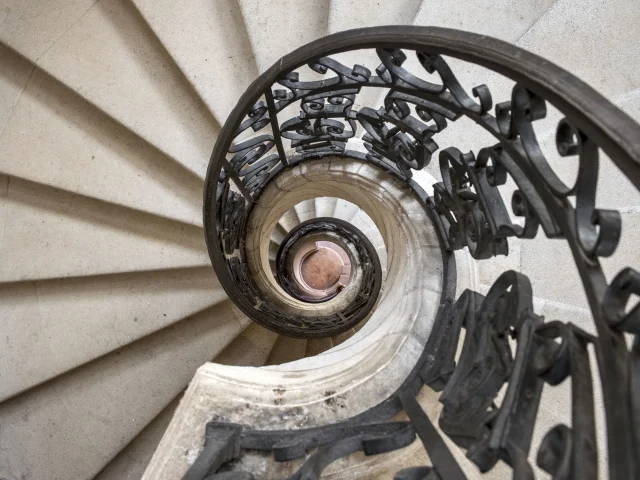
Palais Jacques Cœur|Patrick Tournebœuf-Tendance floue, Centre des monuments nationaux
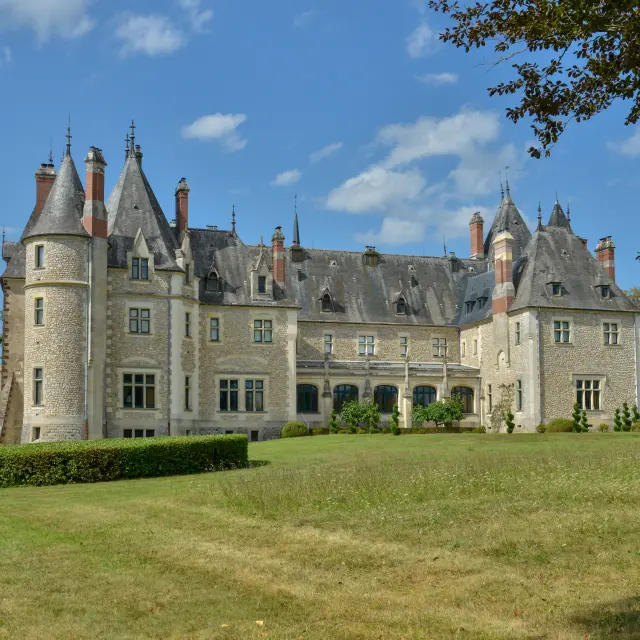
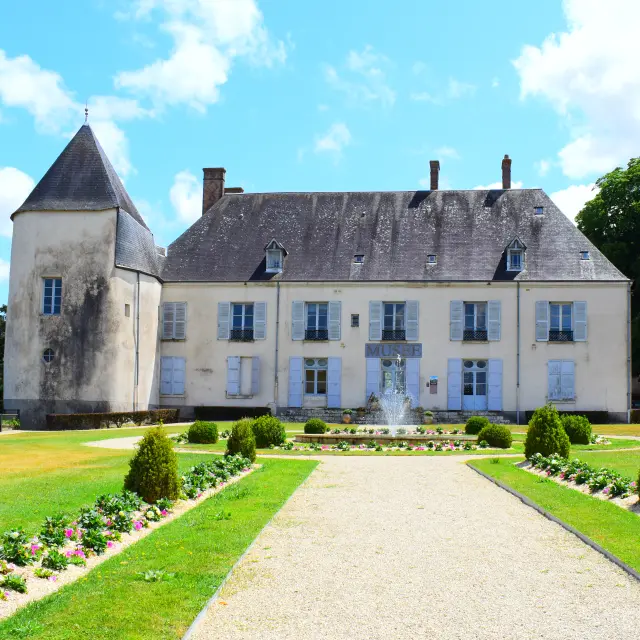
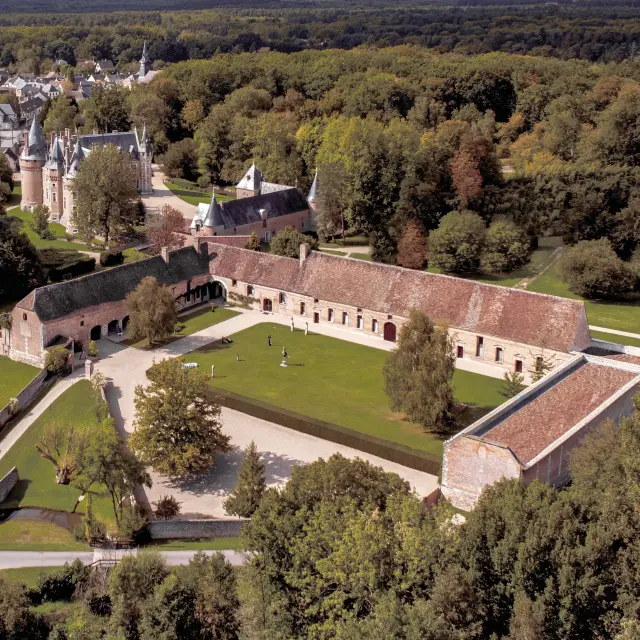
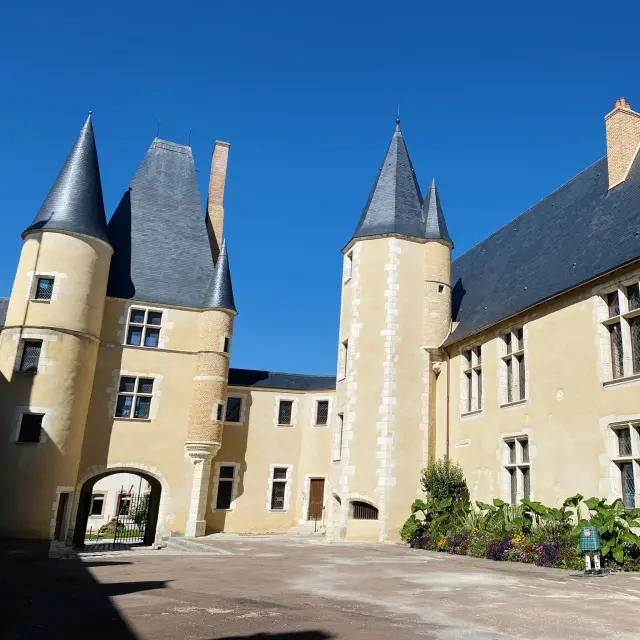
Today, the Route Jacques Cœur has 18 members, on a route that crosses the Cher department:
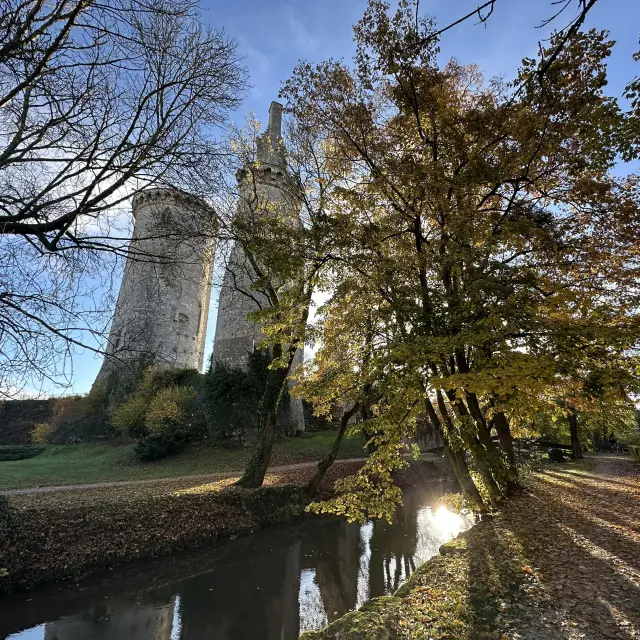
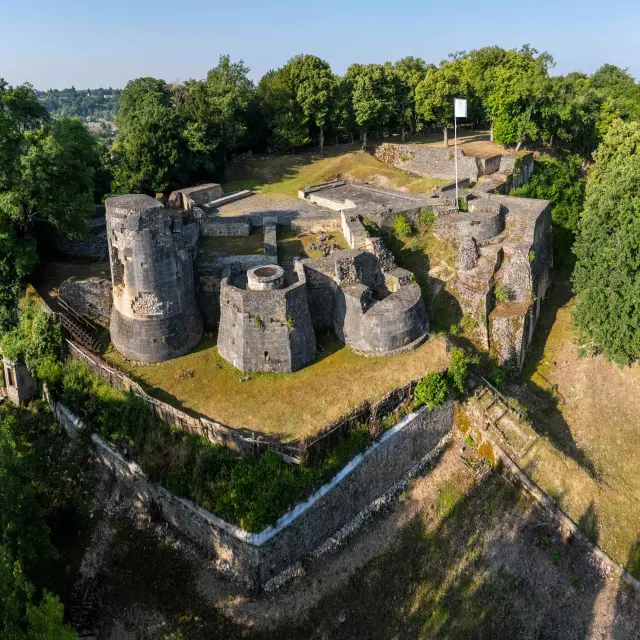
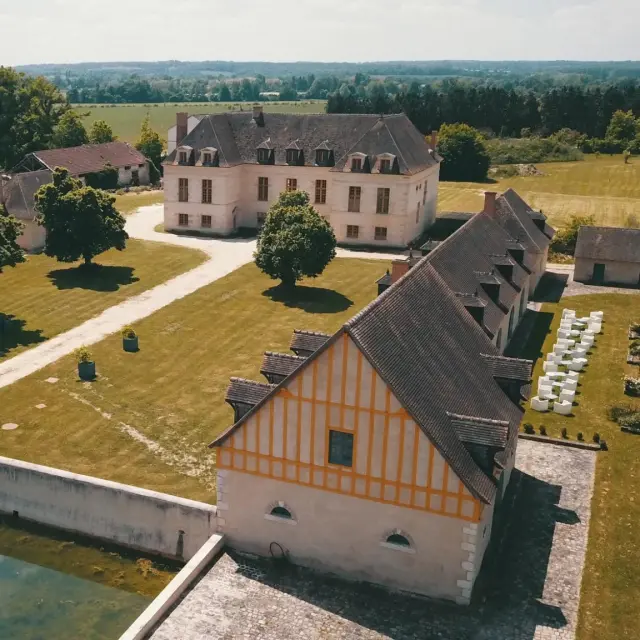
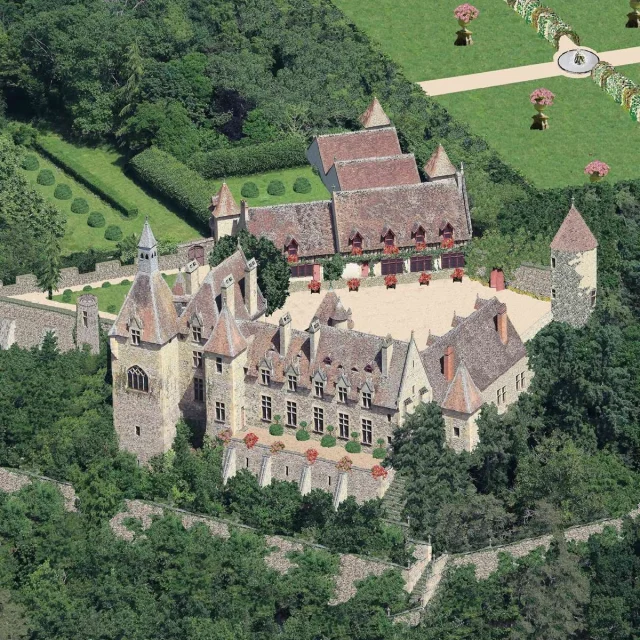
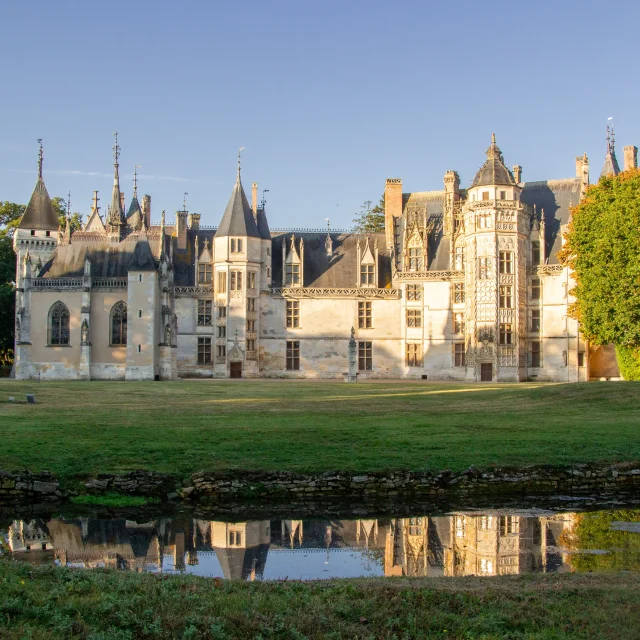
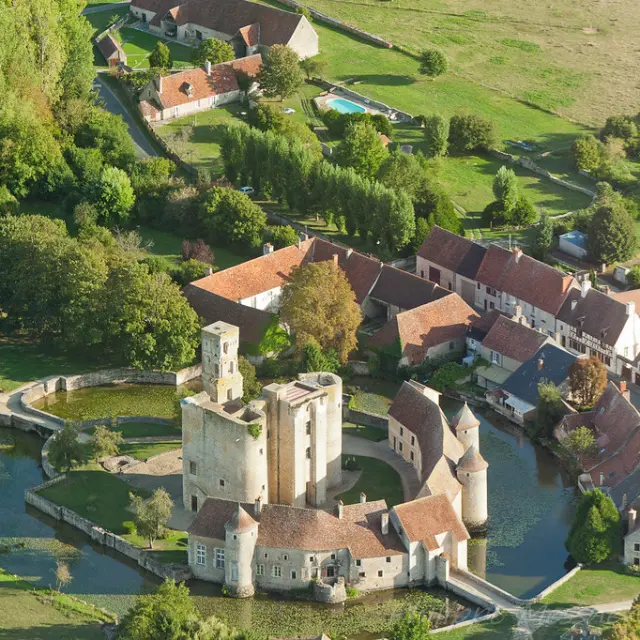
- 7 châteaux: the châteaux of Ainay-le-Vieil, La Chapelle d’Angillon, La Verrerie, Menetou-Salon, Peufeilhoux (Allier) and Sagonne, and the Domaine de ChâteauFer,
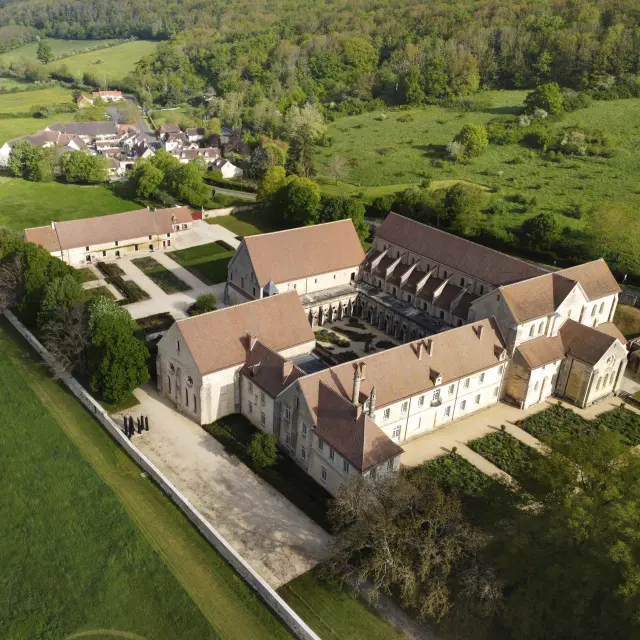
- 4 emblematic sites: Noirlac Abbey (Conseil Départemental du Cher), Jean Linard Cathedral, Galerie Capazza and Palais Jacques Cœur (Centre des Monuments Nationaux),
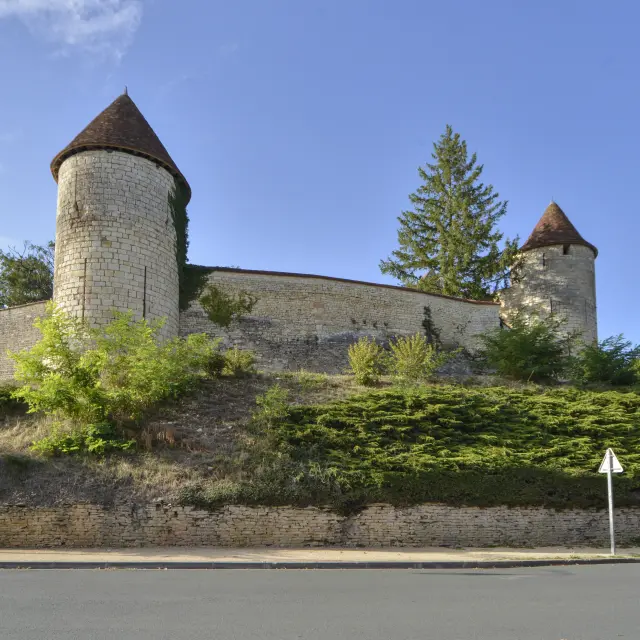
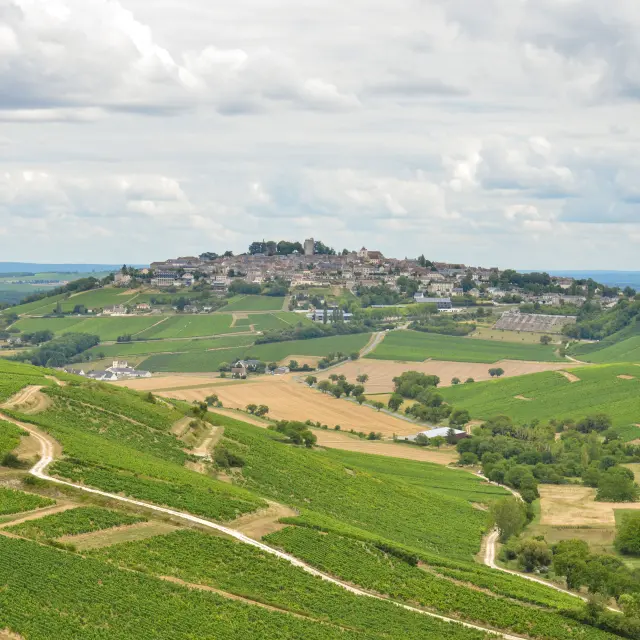
- 7 towns and villages: Argent-sur-Sauldre, Aubigny-sur-Nère, Bourges, Dun-sur-Auron, Mehun-sur-Yèvre, Saint-Amand-Montrond and Sancerre.
The Route Jacques Cœur is also supported by its institutional partners: Ad2T (Tourisme et Territoires du Cher), Atout France, Berry Province, Bourges 2028, the Centre des Monuments Nationaux, the Conseil Départemental du Cher, the Communauté de Communes du Cœur de France, the Communauté de Communes du Dunois, the Communauté de Communes du Pays Fort Sancerrois and the Pays Berry Saint-Amandois.
Follow the Route Jacques Cœur on its networks:
Our members
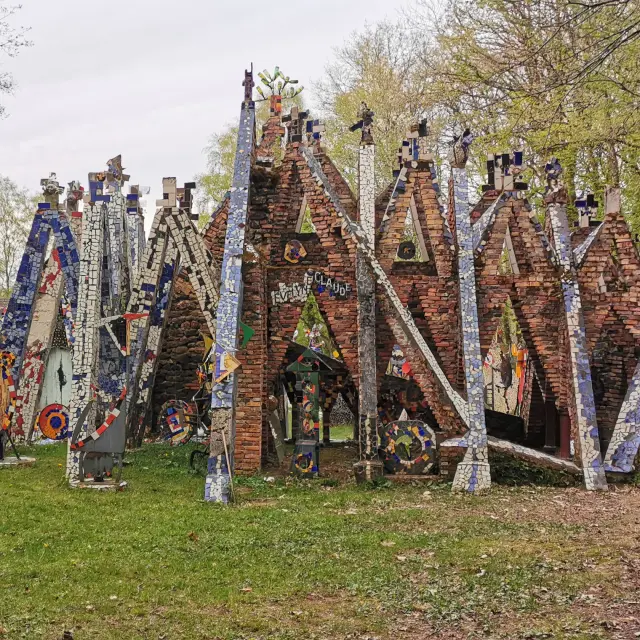
Castles, abbeys, gardens and towns have joined the itinerary, which crosses the Cher department from north to south, with 18 member sites and towns.

Berry - Sologne
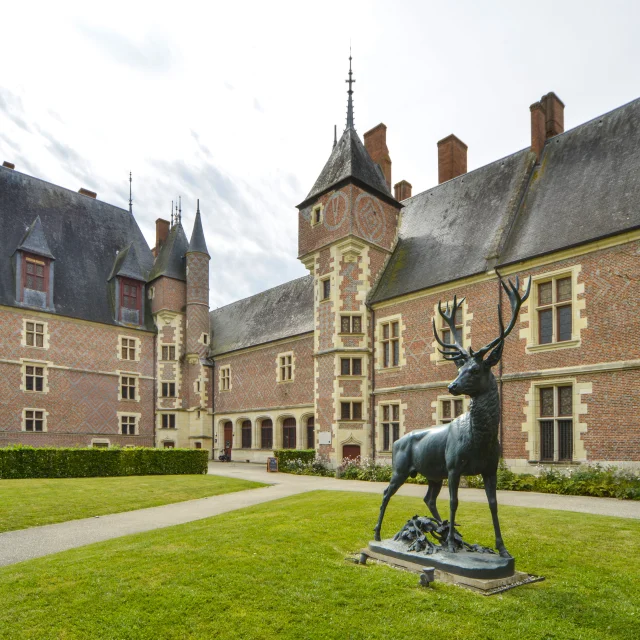
Bourges and surrounding area
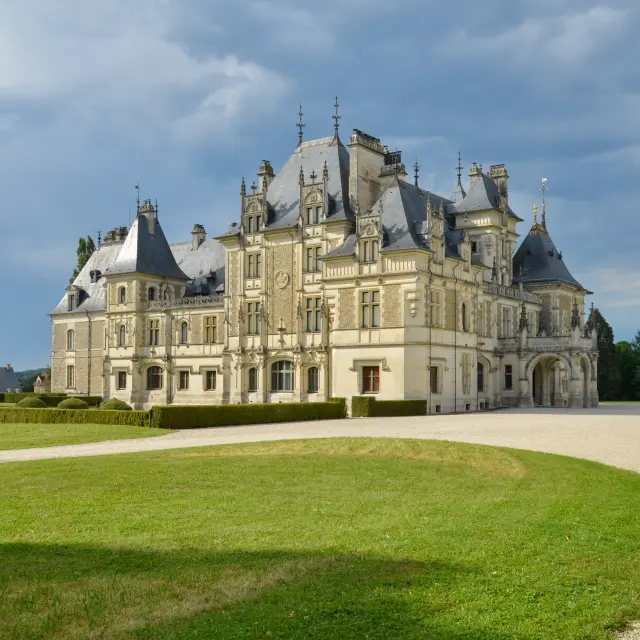
Destination Sud Berry
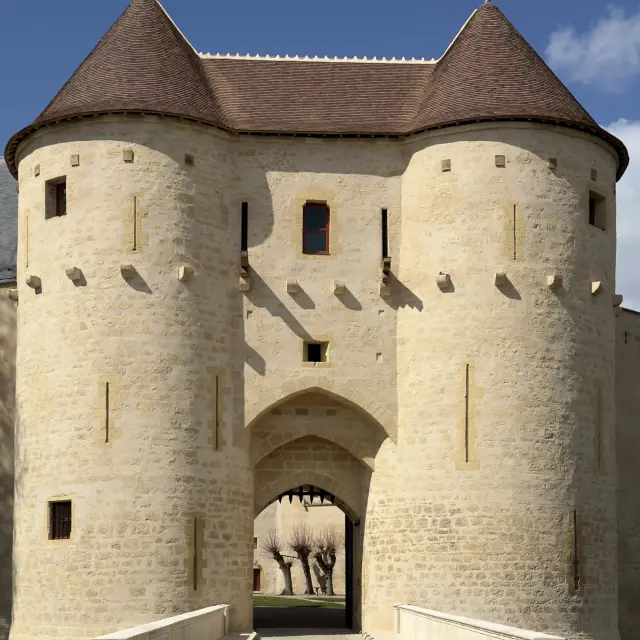
Palais Jacques Cœur|Philippe Berthé, Centre des monuments nationaux
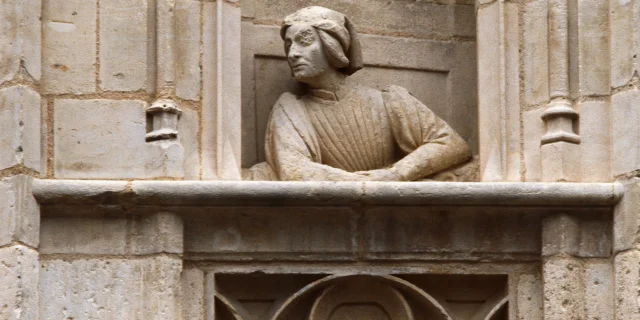
Palais Jacques Cœur|Philippe Berthé, Centre des monuments nationaux
The story of Jacques Cœur (1395-1456)Treasurer to King Charles VII
In a few words
Jacques Cœur was the son of a furrier who supplied the Duke of Berry’s court in Bourges.
He was born at a turbulent time, during the Hundred Years’ War, which deeply divided the country. Devoted to the “King of Bourges”, he rubbed shoulders with Joan of Arc and was the confidant of Agnès Sorel, the King’s mistress.
The early 15th century was a period of transition between the Middle Ages and the Renaissance. A businessman and banker, Jacques Cœur helped build a new future for France by promoting trade, particularly with Italy and the Orient.
Jacques Cœur’s commercial “empire” did not survive him, but the royal monopolies he established benefited the State. He made a major contribution to putting the kingdom’s financial and monetary house in order. Thanks to his loans of money and the supply of arms, he enabled the King of France to maintain standing armies that retook Normandy and then Guyenne from the English.
Jacques Cœur : grandeur et décadence
Jacques Cœur was born in Bourges in 1395. His family, originally from the Allier region, had moved to Bourges to expand their trading business.
His father supplied fur to Duke Jean de Berry. When the Dauphin, the future Charles VII, settled in Bourges in 1418, the Berry bourgeoisie saw positions opening up in his entourage.
Jacques Cœur married Macée de Léodepart, granddaughter of the Master of the Mint, and joined the company in 1429. He speculated on the quantity of precious metal contained in the coins he produced, which led to his conviction and subsequent royal pardon.
In the early 1430s, he became a supplier to the court, which he supplied with products from the Levant. His trip to the Orient in 1432 is said to have ended in failure.
Visit the Palais Jacques Cœur
Go straight to his page.

Palais Jacques Cœur|Centre Des Monuments Nationaux
A meteoric rise
In 1439, he took up the post of Argentier, which he held until his downfall in 1453 and which ensured a large part of his fortune.
His role was to cover the sovereign’s day-to-day expenses, which meant making advances to the treasury and controlling the court’s supply channels. For this clientele, Jacques Cœur had a number of shops selling fabrics, jewellery, furniture and furs.
From 1440, Jacques Cœur became the king’s commissioner to the States of Languedoc. He was called upon to negotiate the level of taxes in the province, from which he profited personally.
He was ennobled in 1441 and became a member of the royal council. Jacques Cœur took part in the Reconquest by financing the war effort. Taking advantage of the scope of his business, he played a diplomatic role in Genoa, Aragon, Rome and as far afield as Egypt. Captain of numerous strongholds, general inspector of the gabelles, he promoted his son to the archbishopric of Bourges in 1450. His rise to prominence aroused a great deal of jealousy among his fellow merchants in Tours and Montpellier, and among the court nobility, who owed him a great deal of money.
Disgrace, prison and escape
Jacques Cœur was arrested on 31 July 1451 at the Château de Taillebourg on the basis of accusations hastily put together. On 29 May 1453, after a year and a half’s trial at the Château de Lusignan, the sentence was passed: Jacques Cœur was guilty. His assets were confiscated and put into liquidation.
During his trial, Jacques Cœur was charged with murder and crimes against the majesty.
A murder
Jacques Cœur is suspected of having poisoned Agnès Sorel, the favourite of King Charles VII. Yet he had been one of her closest friends and the executor of her will. He was cleared by the doctor. But in 2005, the remains of Agnès Sorel’s body were analysed and found to contain a very high concentration of mercury: whether it was a poorly dosed medical remedy or poison, the mystery remains.
Crimes of lèse-majesté
Jacques Cœur was accused of failing to remain loyal to the king and directly challenging his authority and honour. He usurped the sovereign’s identity by forging his signature and seal. He issued counterfeit money when he was in charge of the Bourges workshop in 1429 and 1430. He defrauded two gentlemen charged with arranging the marriage of Charles VII’s daughter to the Duke of Bourbon. Above all, he damaged the kingdom’s interests abroad. He exported silver ingots stamped with the fleur-de-lys to the Levant, trafficking them for precious metal; he sold weapons to the Saracens despite the threat they posed to Constantinople; he refused to protect a young slave who had converted to Christianity so as not to harm his commercial interests.
He only escaped the death penalty in recognition of his services to the crown and, above all, thanks to the intervention of Pope Nicholas V.
He escaped from prison in Poitiers on 27 October 1454.

Palais Jacques Cœur|Patrick Müller, Centre des monuments nationaux

Palais Jacques Cœur |Route Jacques Cœur

Palais Jacques Cœur, Salle des festins|Patrick Tournebœuf-Tendance floue, Centre des monuments nationaux
Serving the papacy
At the beginning of March 1455, Jacques Cœur was in Rome. From Marseille, he recovered a large part of his commercial assets in the Mediterranean, including his four galleys, beyond the King’s jurisdiction. Pope Nicholas V assured him of his protection.
Why is the Pope protecting this French fugitive at the risk of offending Charles VII, one of the most powerful sovereigns in Europe?
Between 1446 and 1449, strengthened by Charles VII’s confidence in his negotiating skills, Jacques Cœur undertook several diplomatic missions.
He learned about Italian affairs by dealing with the Republic of Genoa, then led an embassy to Rome in 1448 to put an end to a new schism. He contributed to the abdication in Savoy of Antipope Felix V in favour of the Roman Pontiff Nicholas V. From then on, Nicholas V never ceased to express his gratitude and friendship to the King of France’s Argentier. Jacques Cœur lost his patron a few weeks after his arrival in Rome.
After the death of Nicholas V, the new Pope Calixtus III took up his predecessors’ idea of launching a crusade against the Turks, who had seized Constantinople two years earlier.
Jacques Cœur put his diplomatic and financial talents at the service of the Holy See to prepare the expedition and embarked with the fleet that left Ostia on 23 September 1455. The thirty or so ships assembled only temporarily secured the islands of the Aegean Sea, and it was on the island of Chio that Jacques Cœur died on 25 November 1456.

Palais Jacques Cœur|Centre Des Monuments Nationaux
Imaginative mottoes and talking arms were all the rage in the 15th century. Jacques Cœur, who had recently been ennobled, seemed to be inspired by the practices of illustrious figures such as Duke Jean de Berry. But he went further, using mottoes, hearts and scallops almost systematically, from the monogram associated with his signature to the ornaments in his palace in Bourges.
To find out more
The use of his name and likeness did not disappear with him, but grew as his legend was forged. In 1939, against a backdrop of patriotic mobilisation, the great figures of national history were represented in a new series of banknotes issued by the Banque de France. After Sully and Bayard, Jacques Cœur and his palace in Bourges were chosen to illustrate the new 50 franc note put into circulation in January 1941. The Résistance humorously pastiched the note to denounce the German Occupation and the collaboration of the Vichy regime.
Today, hospitals, secondary schools and commercial enterprises bear his name in Bourges, Lyon and Montpellier.
The magnificent residence that he had built in the town of Bourges (…) is so beautiful, so decorated with so many ornaments that in the whole of France, I don’t mean only in the middle aristocracy, but even because of its dimensions, even in the king’s house, one could hardly find a more magnificent residence.
15th century account by Thomas Basin, Bishop of Lisieux

Palais Jacques Cœur|Patrick Tournebœuf-Tendance floue, Centre des monuments nationaux