©

Château de Meillant|Studio Province

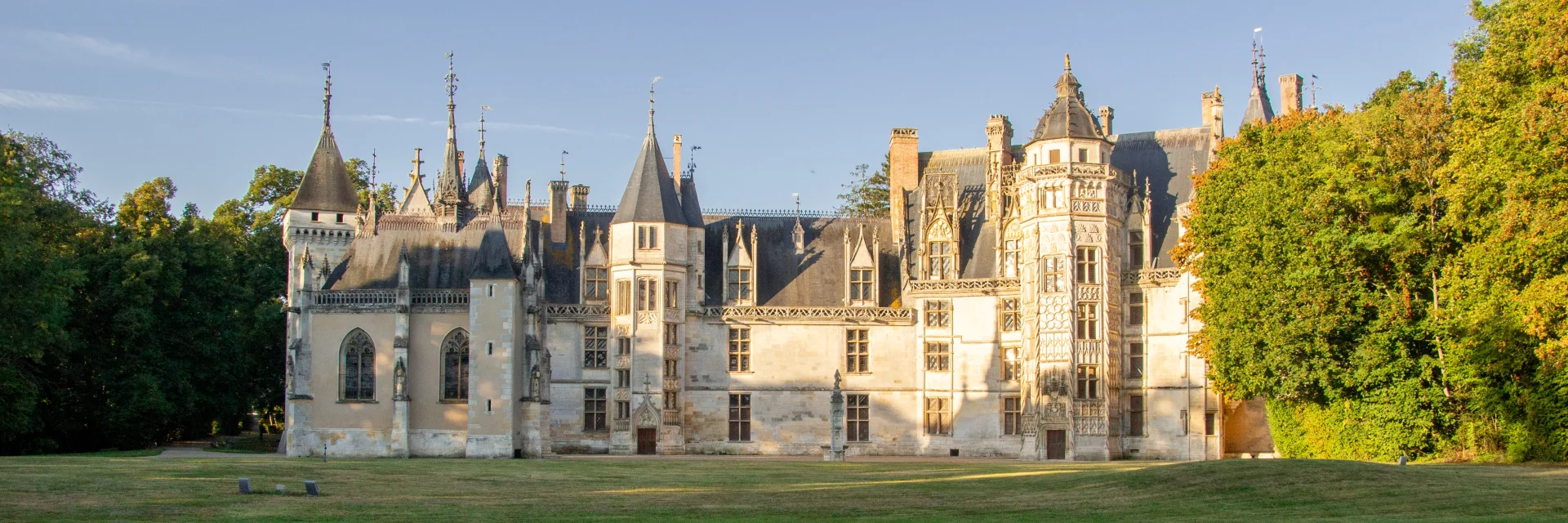
Meillant Castle A Flamboyant Gothic gem


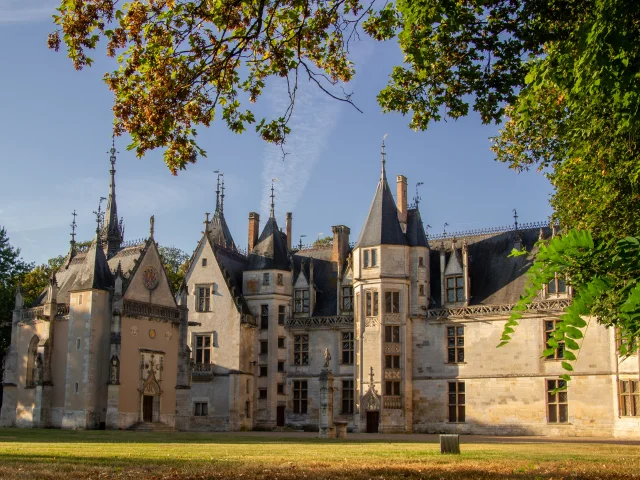
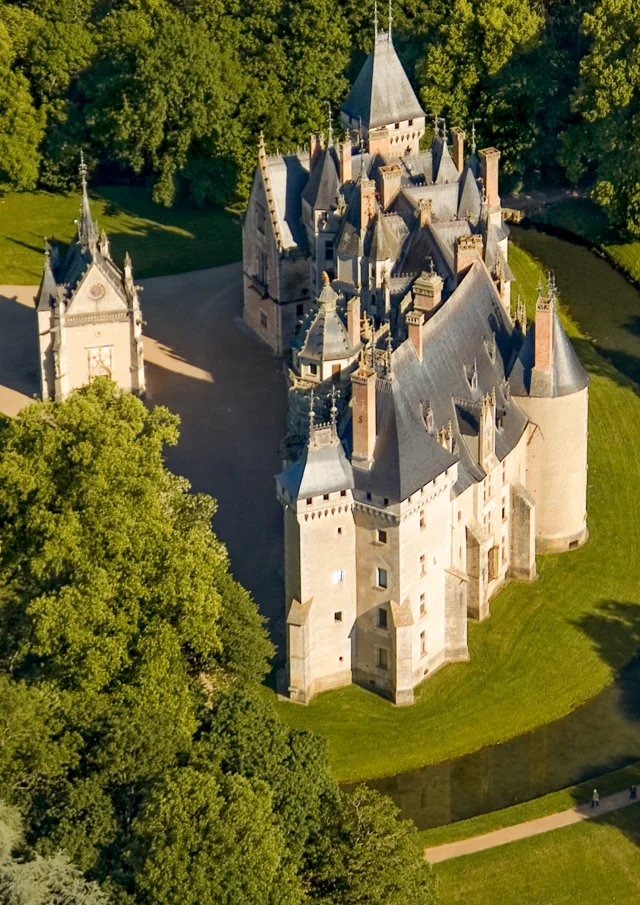
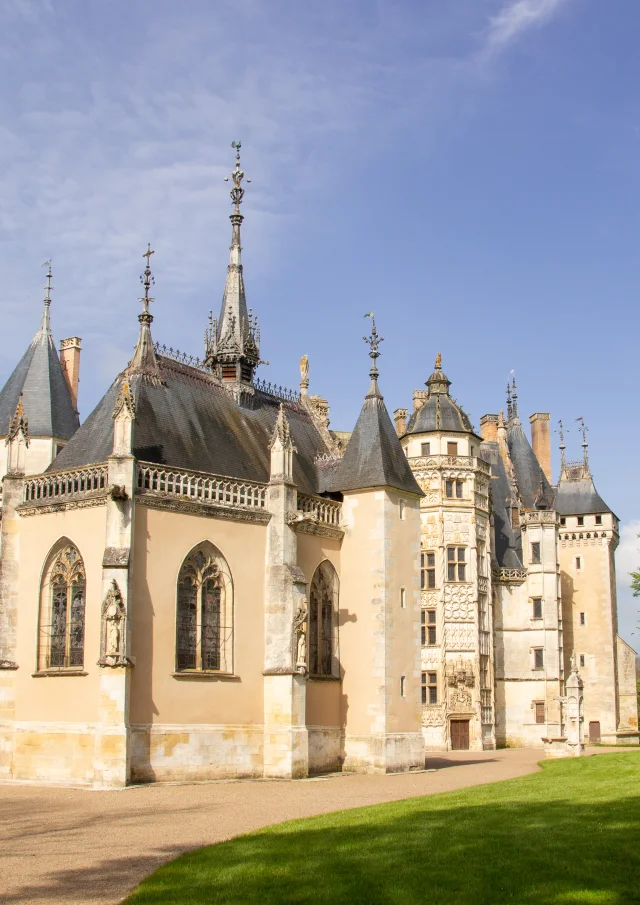
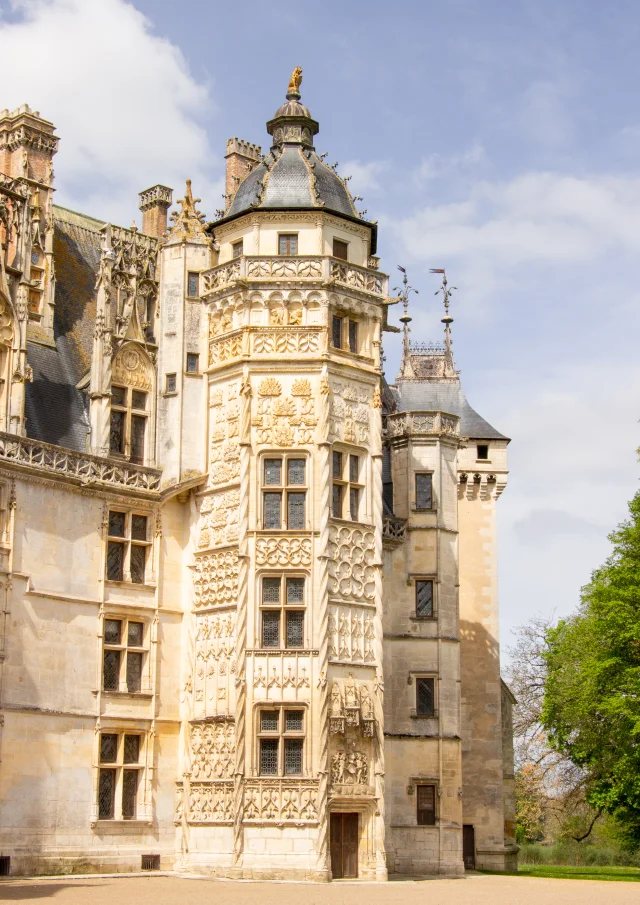
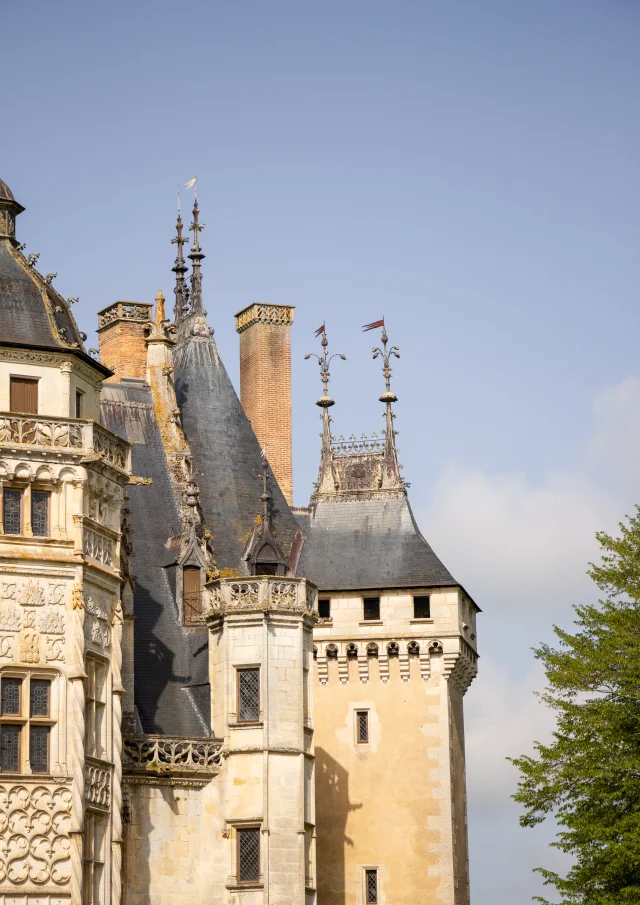
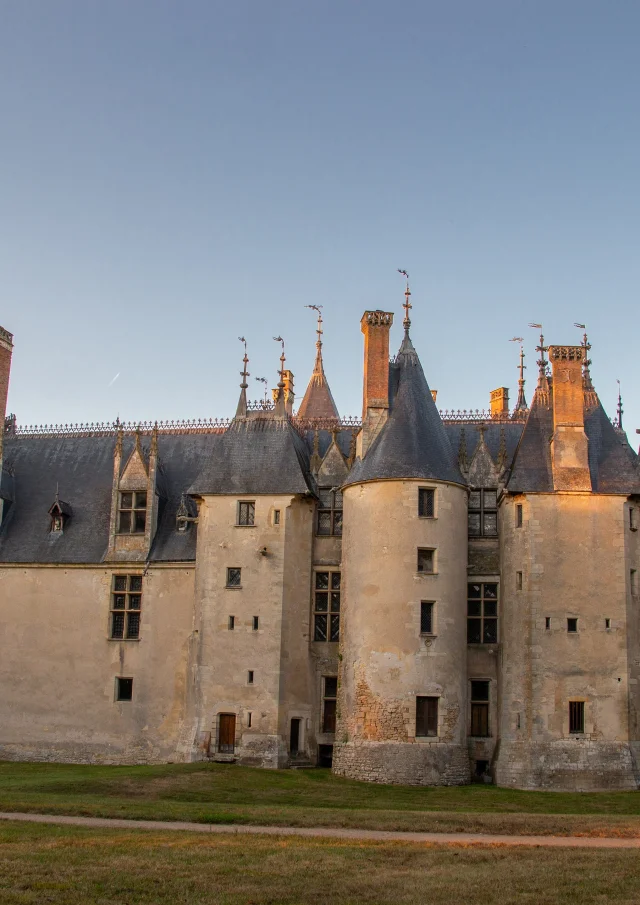
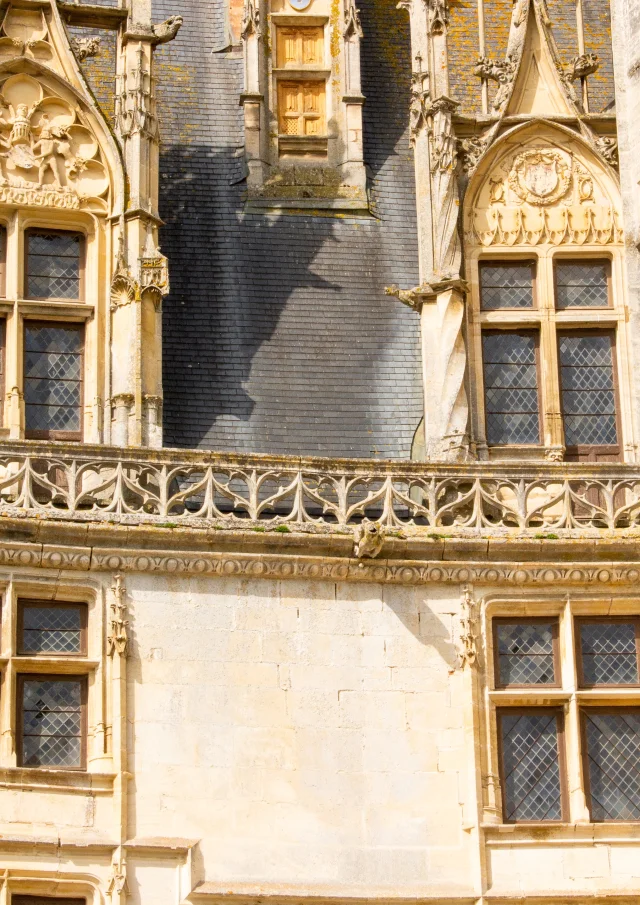
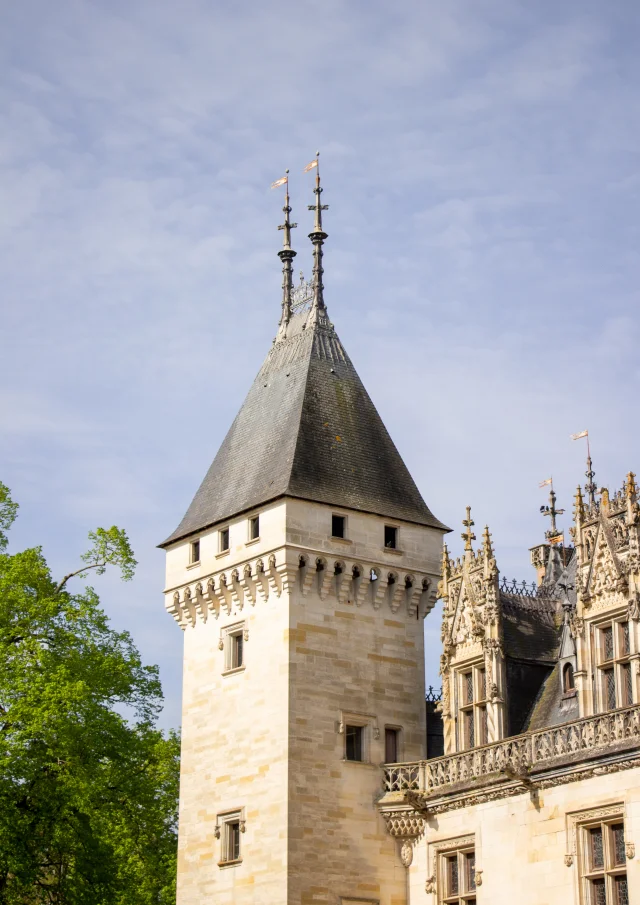
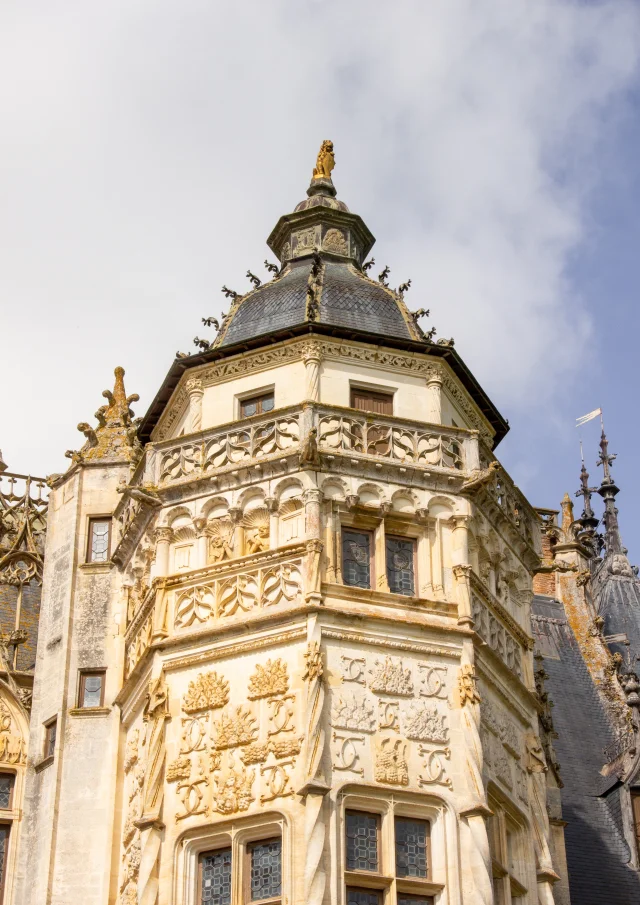
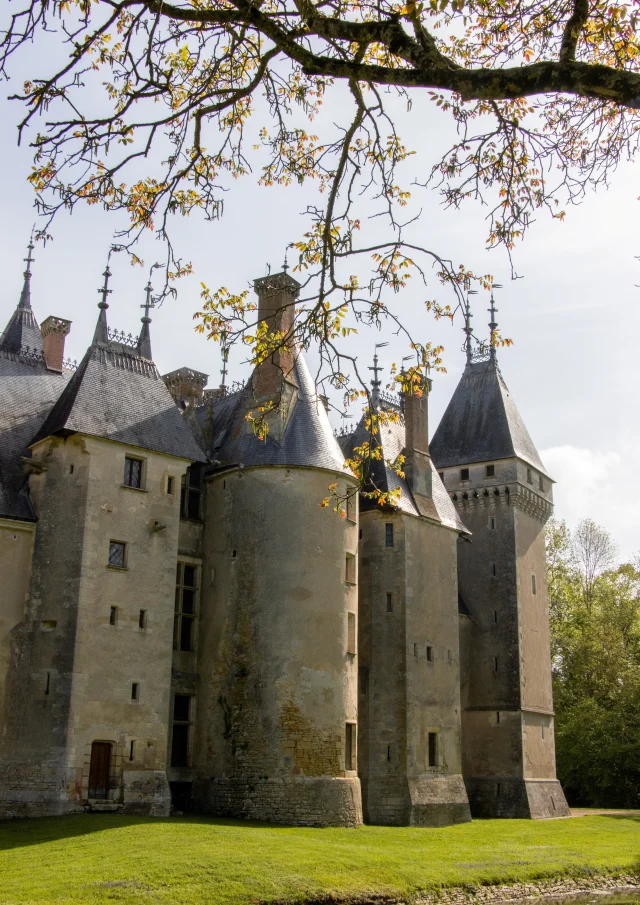
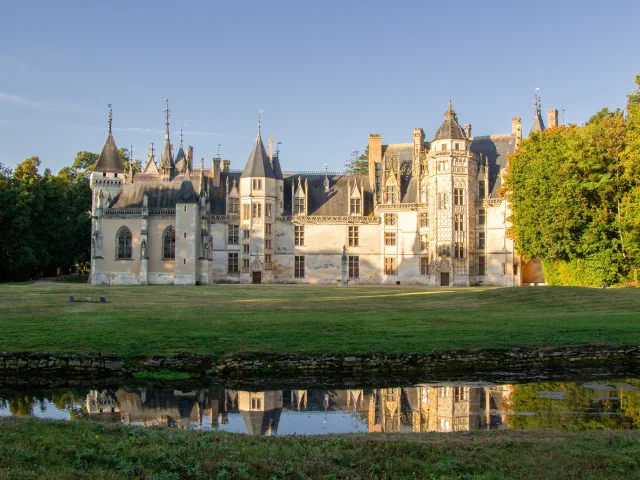
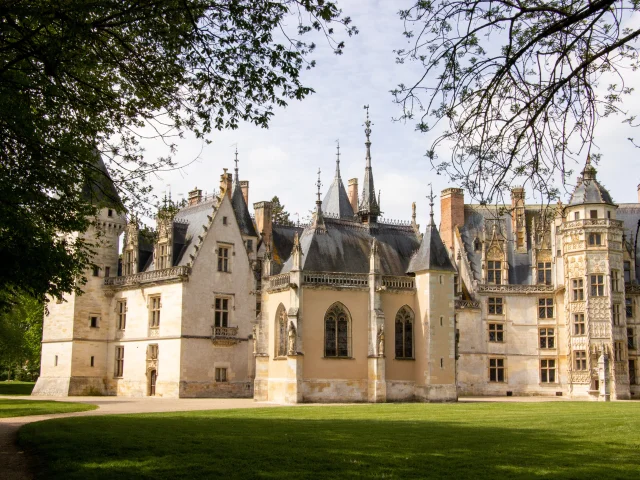
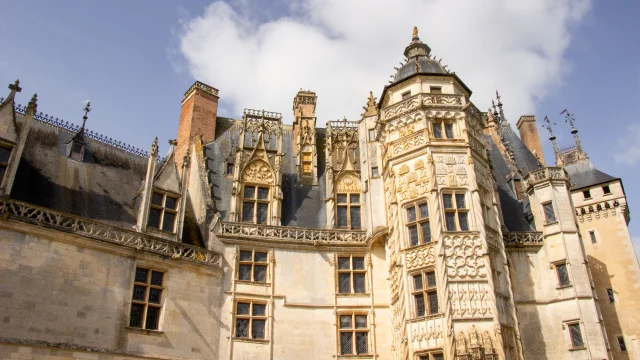
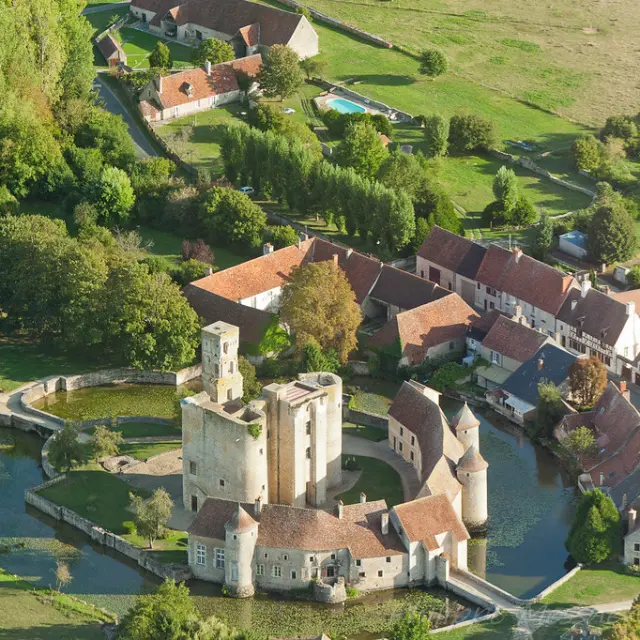
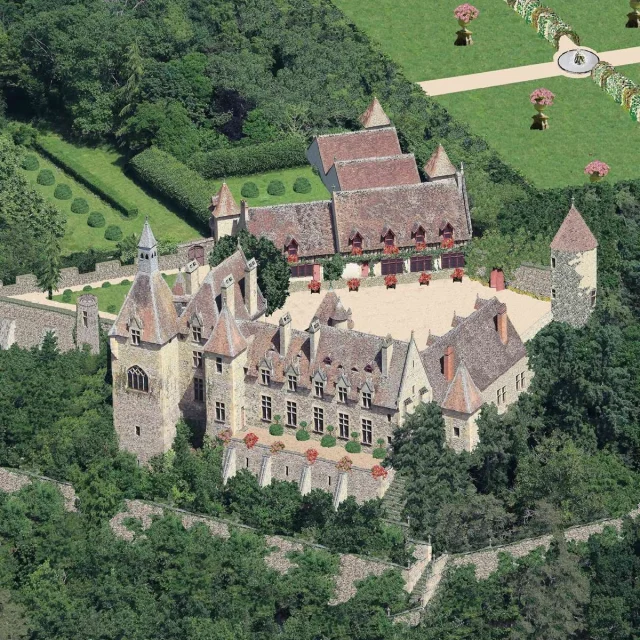
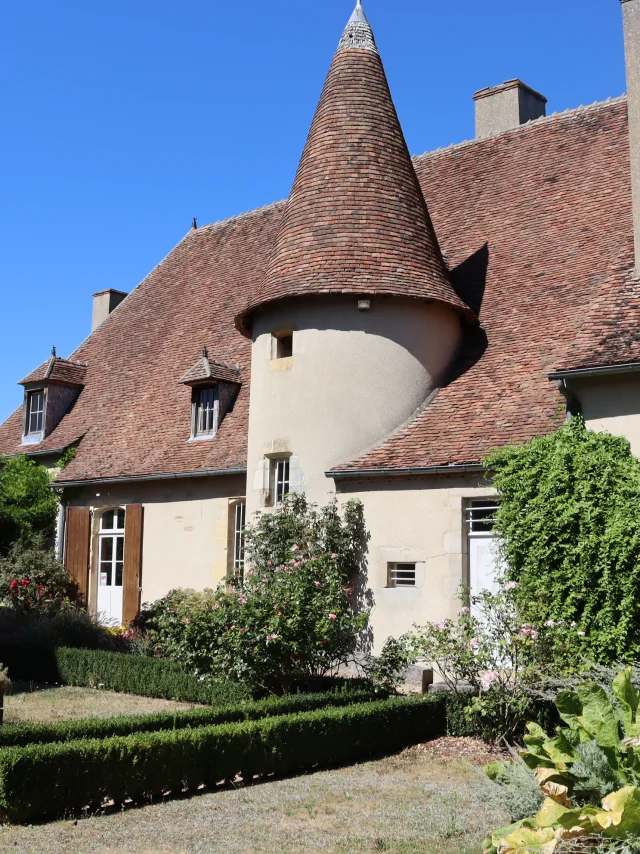
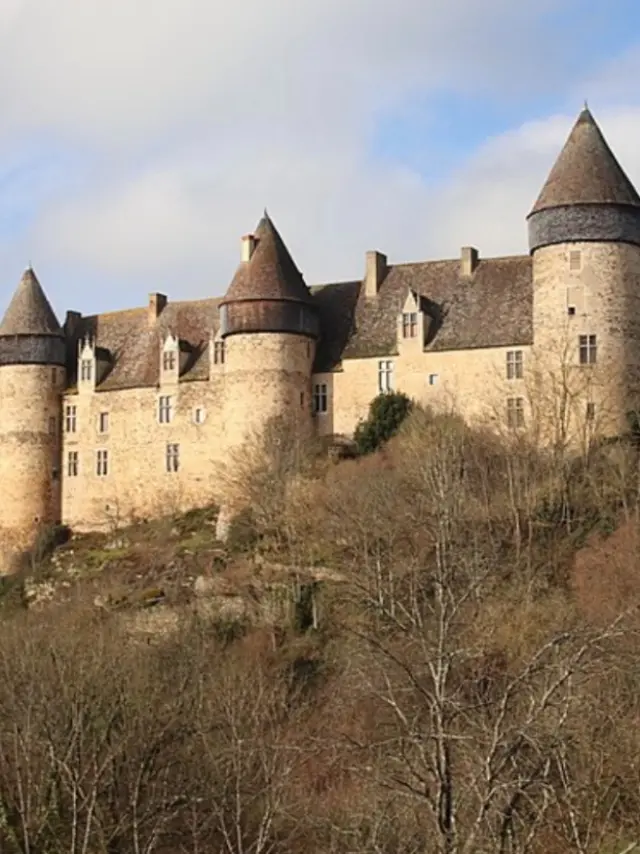
In the heart of France, immerse yourself in the exceptional family history of Château de Meillant, which has endured for over 1,000 years. A multi-faceted castle, the west facade is still very much medieval. The east facade, on the other hand, represents the evolution towards flamboyant Gothic art at the dawn of the Renaissance, with its abundant ornamentation and its Lion Tower, a masterpiece in its own right.

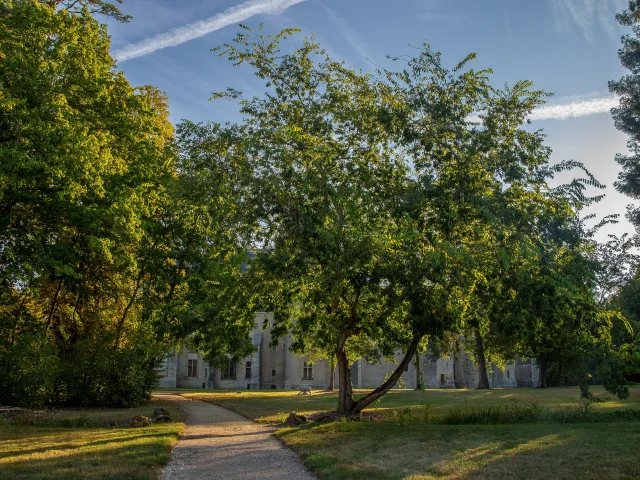
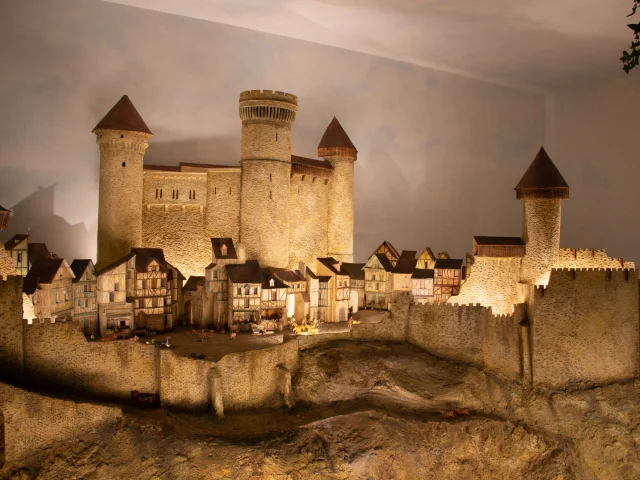
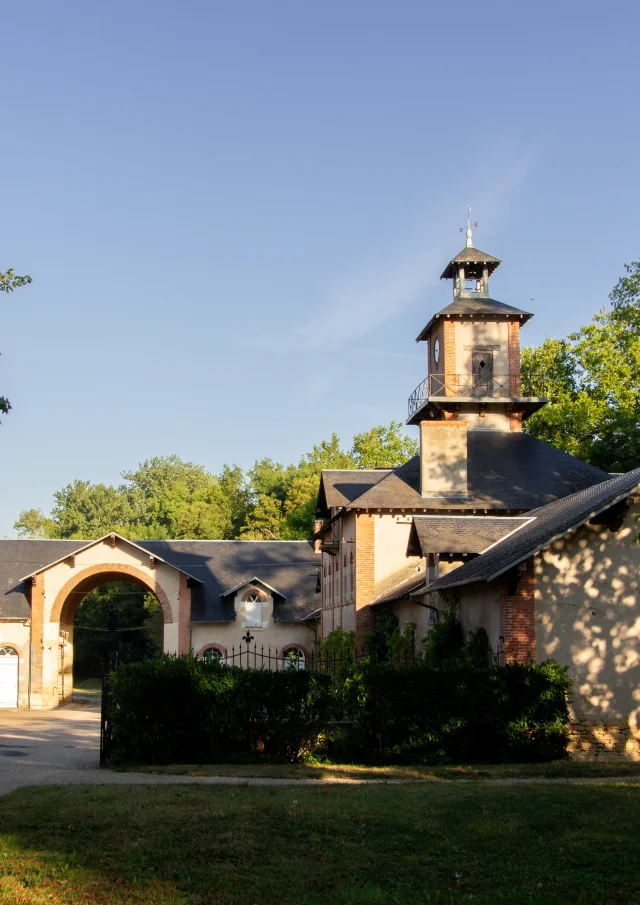
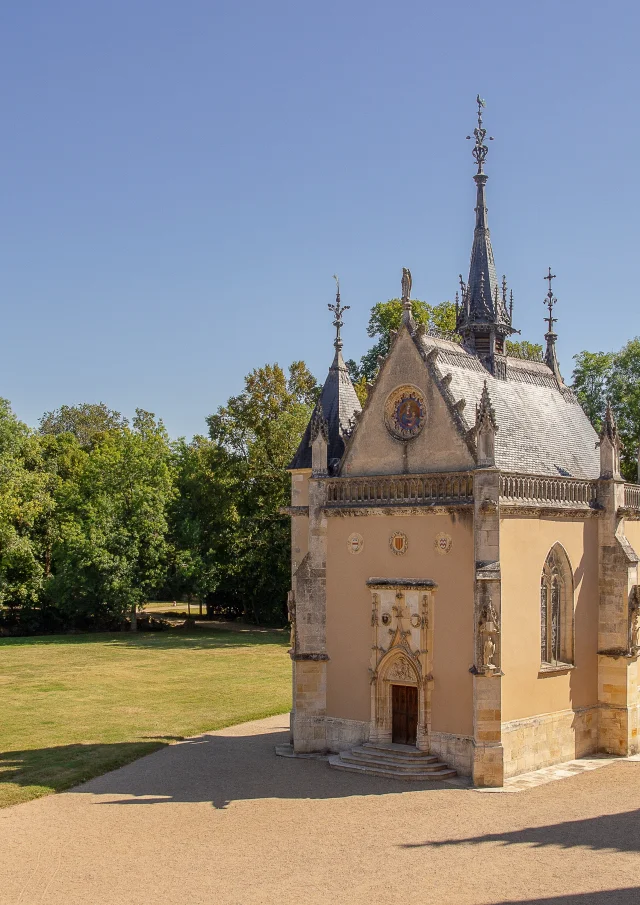
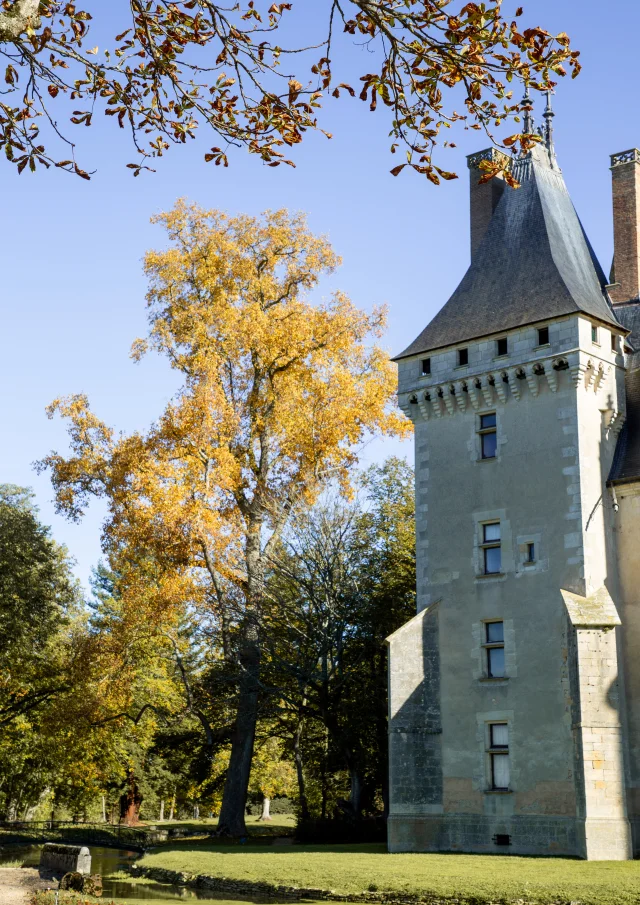
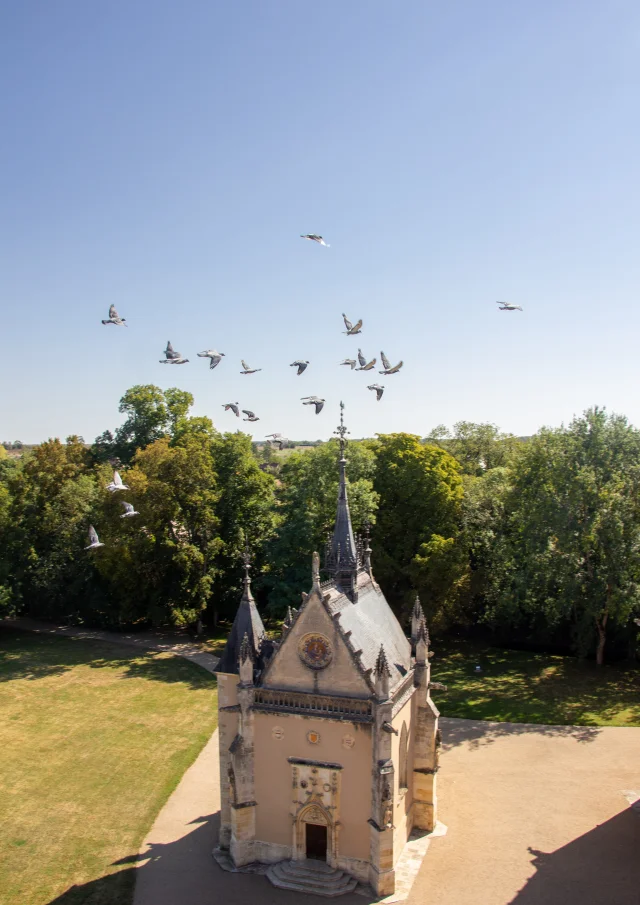
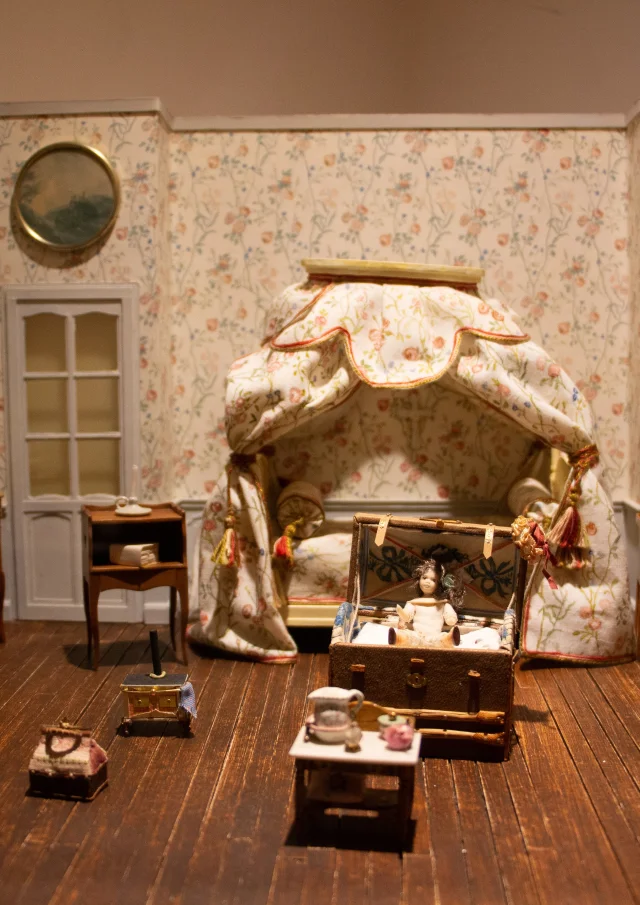
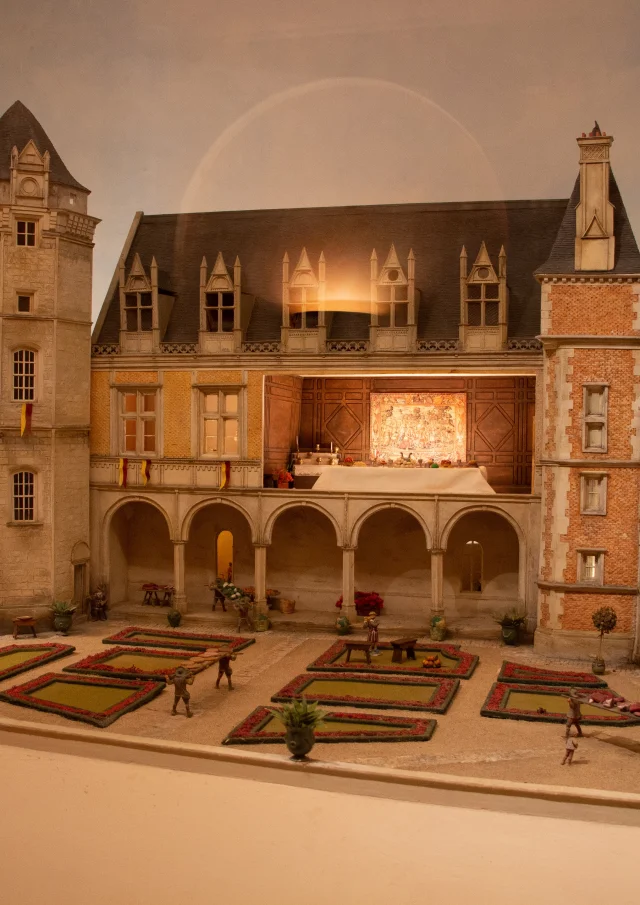
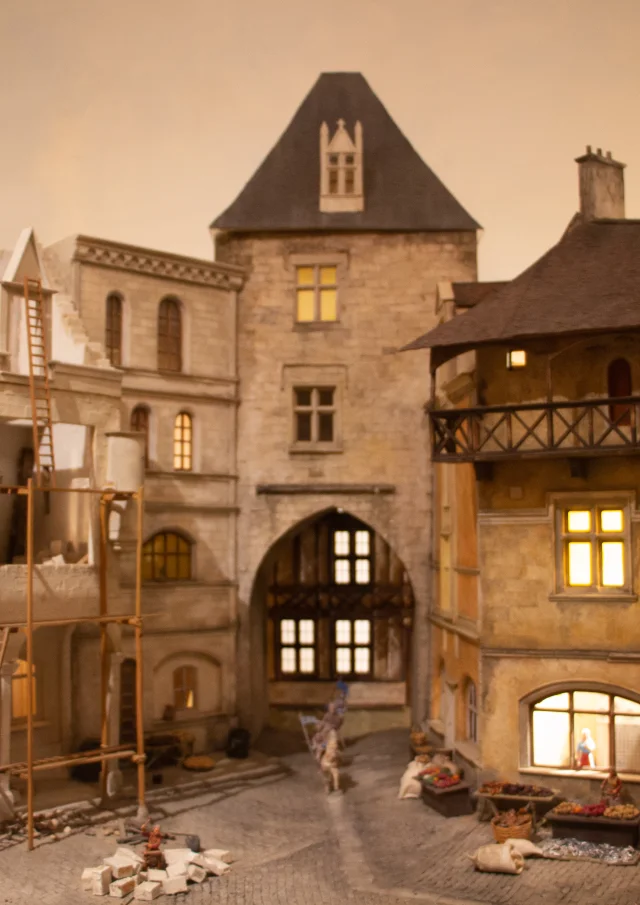
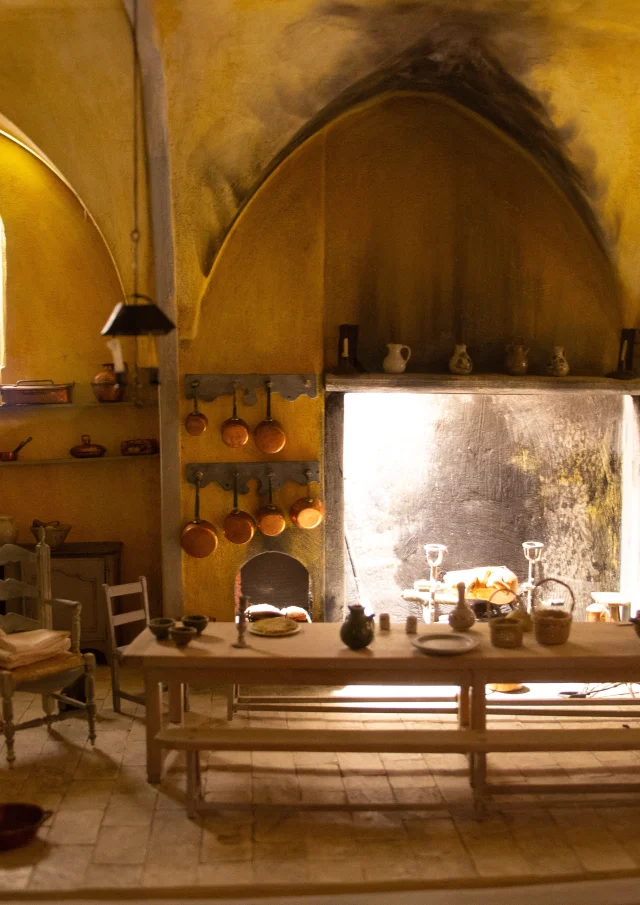
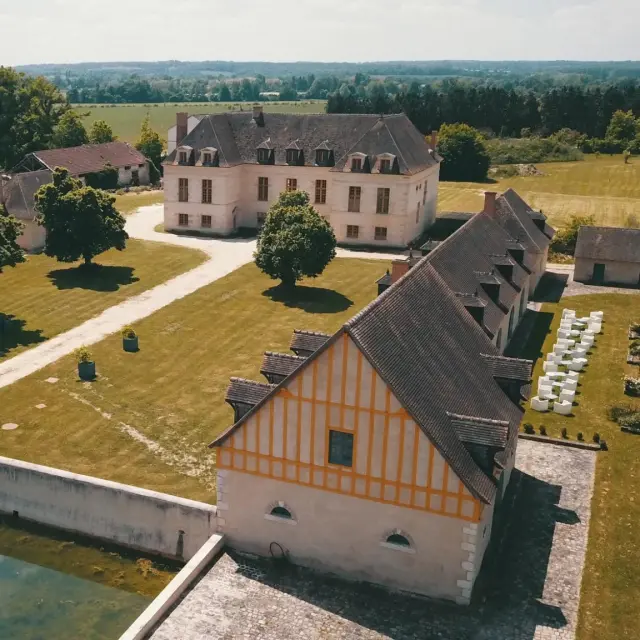
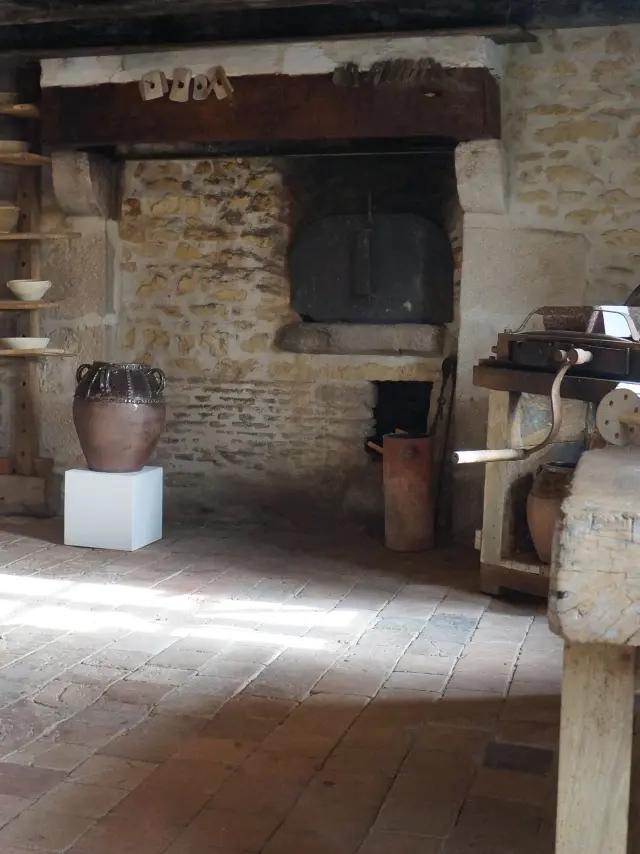
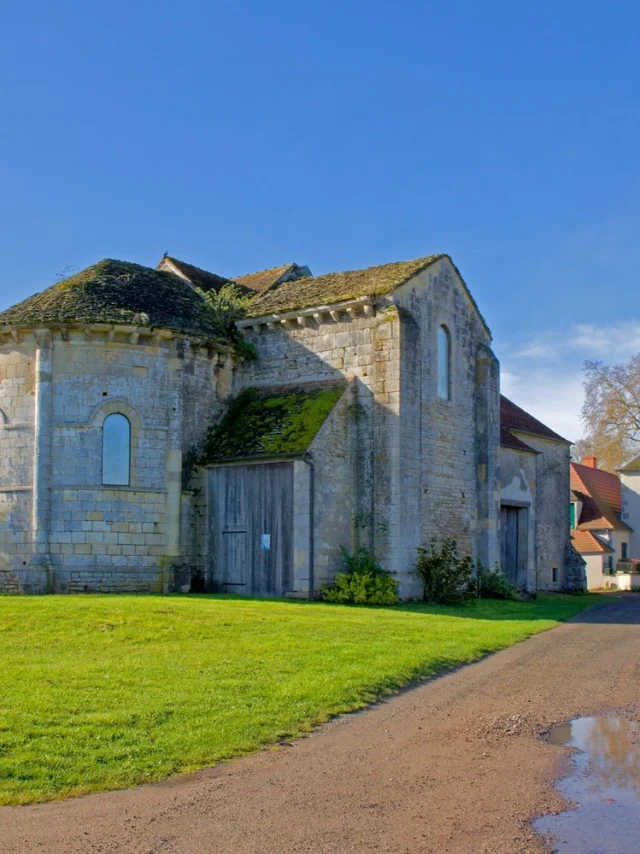
Like the sumptuous royal residences of the Loire Valley, the château boasts magnificently furnished rooms where the shadows of its illustrious guests hover. In the heart of a 5-hectare English-style park, the château also boasts a superb outdoor chapel, a pavilion of miniatures retracing the history of the Middle Ages to the present day, and a large barnyard with a tack room and a collection of horse-drawn carriages.

Postal address: 1 rue d’Uzay le Venon 18200 Meillant
Phone number: 02 48 63 32 05
E-mail: [email protected]
Getting there

The autumn of 2024 was marked by the death of the owner of Château de Meillant, Aimery de Rochechouart, Marquis de Mortemart.

We encourage you to subscribe to our newsletter or visit our website www.chateaudemeillant.fr to keep up to date with the reopening of Château de Meillant.

Activities

Visit the park

Full price: €6
Reduced rate: €5
Children aged 6 to 17 inclusive: €4
Free: under 6s, Château de Meillant Pass holders

Interesting facts

The park is free to visit.

Practical info

Find out more about the location

The land and seigneury of Meillant have been documented since the 11th century. The château, built between the end of the 13th century and the 19th century, is one of the major buildings of the early Renaissance, although it was extensively restored in the 19th century

At the turn of the millennium, Meillant belonged to the de Charenton family, a younger branch of the princely house of Déols. This extended its power over a large part of Berry, where it owned numerous seigneuries. At this time, Meillant was granted bourgeois rights and the status of a free town.

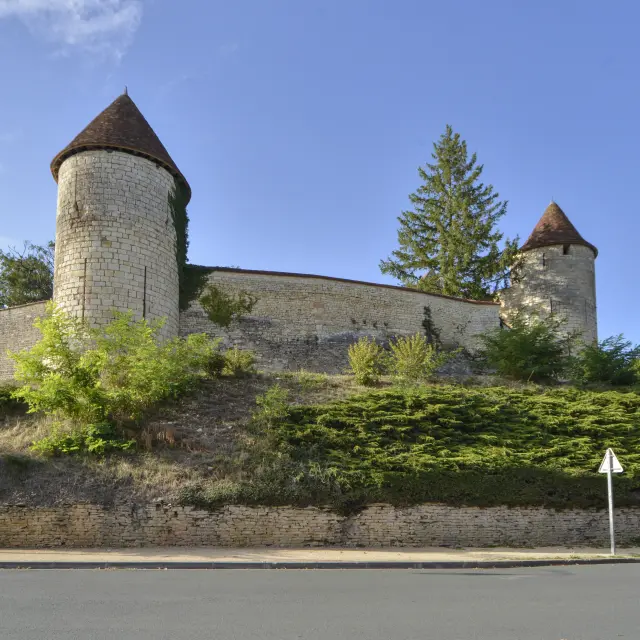
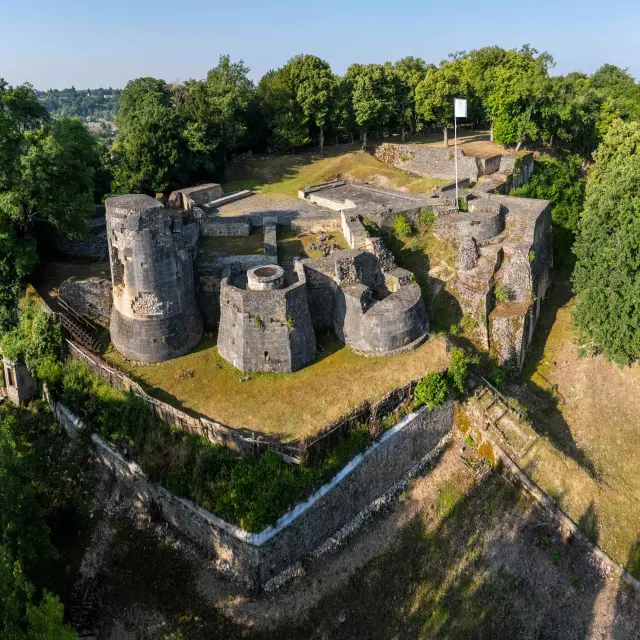
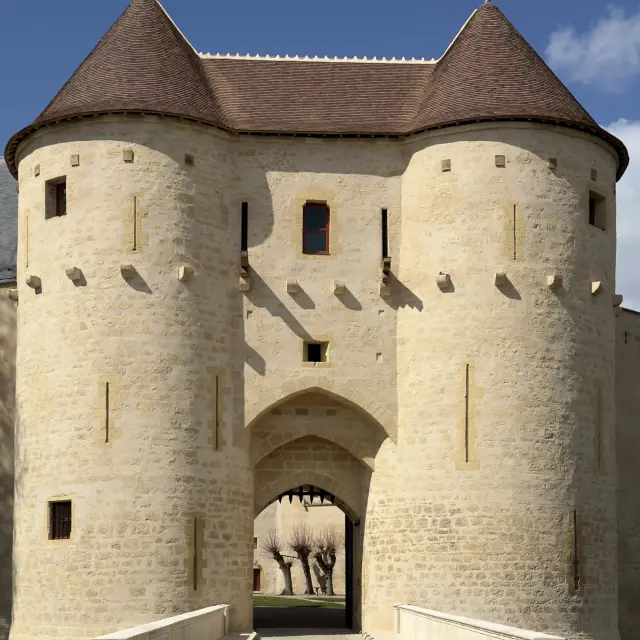
In 1252, the Counts of Sancerre inherited the seigneury of Meillant. A great family of the time, notably distinguished during the Hundred Years’ War in the service of the Capetian kings, they converted the castle into a fortress at the end of the 13th century. All that remains of this feudal complex are a few towers and part of the curtain wall that linked them. A century later, the Gothic buildings were built on these remains.

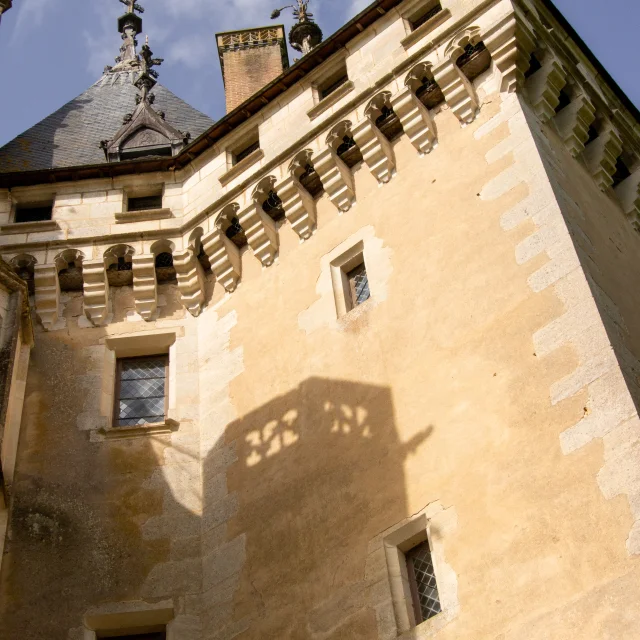
In 1438, an alliance brought Meillant into the powerful House of Amboise. After taking part in the Italian wars, Charles d’Amboise enlarged the château with a new dwelling and an Italian-style gallery. In the early 16th century, the Lion Tower, a true masterpiece of flamboyant Gothic art, was built. A veritable monument in its own right, it is packed with prodigious ornamentation. The profusion of flamboyant motifs mixed with emblems (flaming mountains, chaud-mont, a rebus of the name of another land owned by Charles II at Chaumont-sur-Loire, and entwined Cs) testifies to this desire to display the fame of the Amboise name.

Through a succession of alliances and inheritances, Meillant became the property of Armand-Joseph de Béthune-Chârost, great-nephew of the great Sully. For forty years, he strove to develop agriculture and stockbreeding on his lands. A great philanthropist, he set up charity workshops and founded a hospital in Meillant.

His niece, Virginie de Saint-Algonde, inherited the château. Her husband, Casimir de Rochechouart, was an ambassador and politician. They decided to restore the château, and it’s thanks to them that we can admire it as it is today.

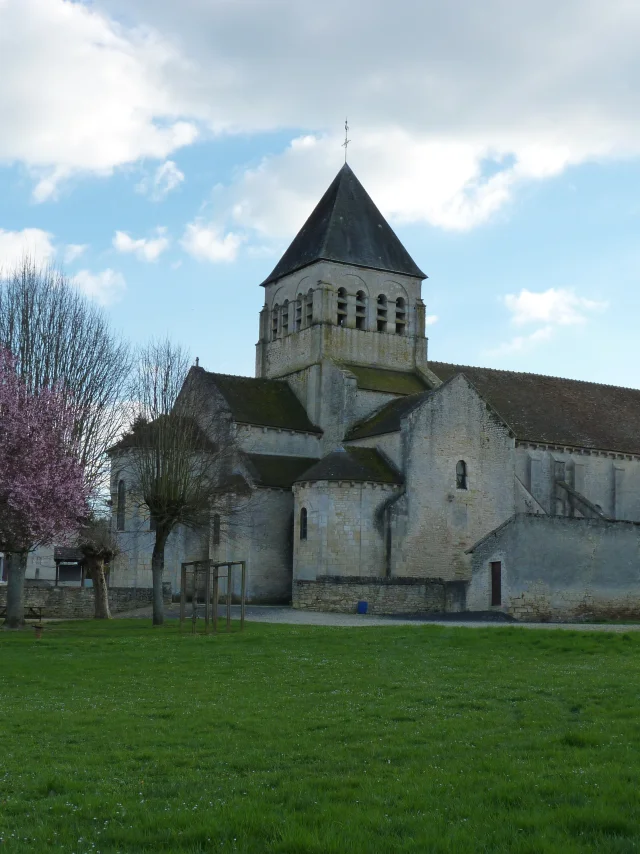
Since then, the château has always been inhabited, even in its darkest hours. During the Second World War, it was transformed into a clandestine hospital for maquisards. Today, the château belongs to Aimery de Rochechouart, Marquis de Mortemart, who oversees the upkeep and preservation of this grand house. Among other things, he has restored the roofs and the 16th-century chapel.